New Puppy Checklist: Your First Week & Month
Start here
Bring your puppy home with food, a crate, ID and a vet appointment booked. Week one is about settling in, a first health check and deworming. Over weeks two to four expect first vaccines, gentle socialization and house-training. Your vet sets the exact schedule for your puppy.
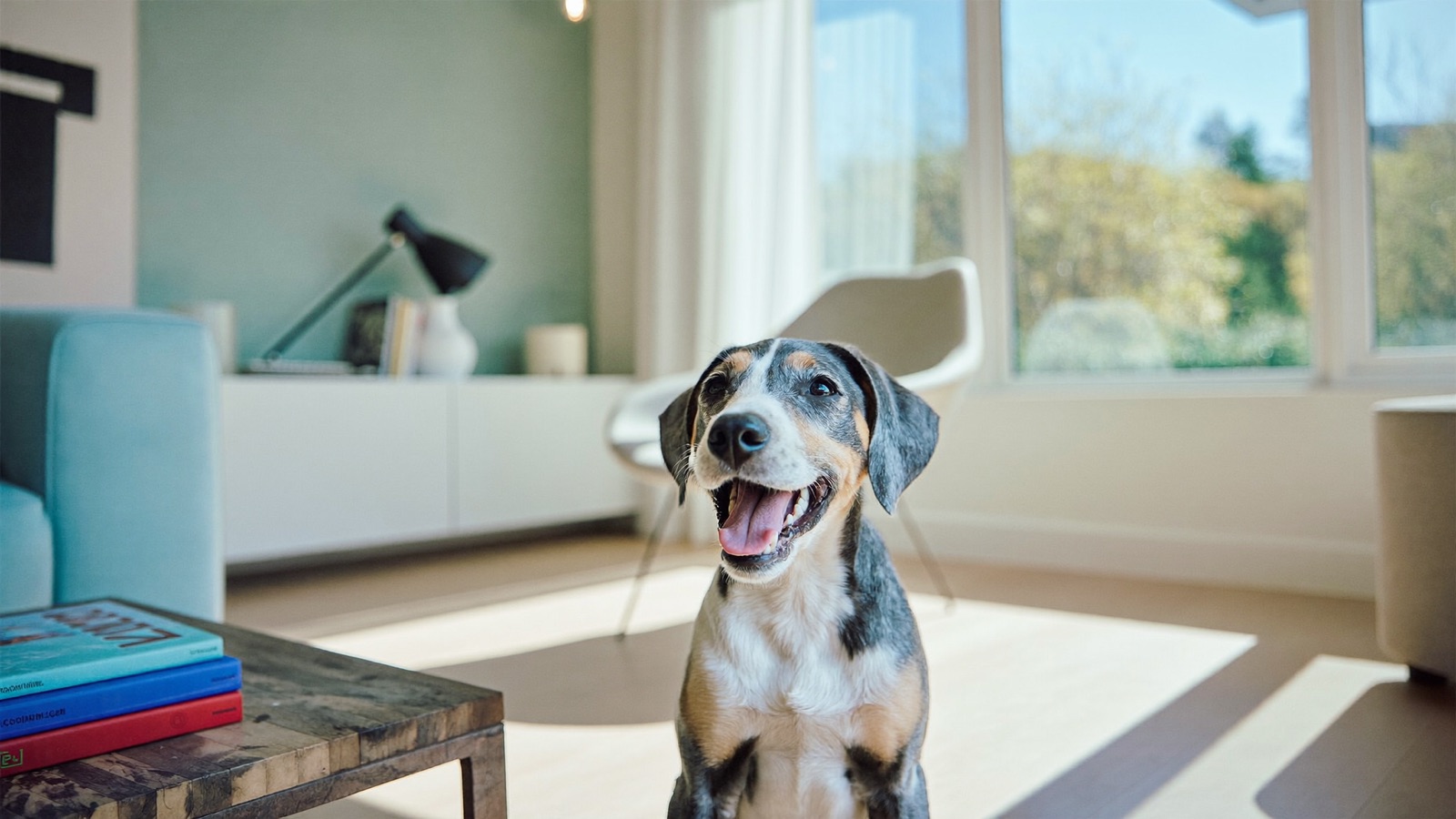
The first month sets the tone for everything that follows. This is a plain-English, week-by-week plan you can work through at your own pace — get the essentials ready, keep the first days calm, and build good habits early.
Before your puppy arrives: the supply checklist
Having the basics ready before pick-up day makes the first night far smoother. You don't need everything at once, but these cover the essentials:
- Food — a complete puppy (growth) diet. Ideally match what the breeder or shelter was feeding, then transition slowly over 5–7 days.
- Bowls — separate food and water bowls; stainless steel or ceramic are easy to clean.
- Crate and/or pen — a den-sized crate for sleep and safe alone-time, plus a playpen for daytime containment.
- Bedding — washable, chew-tolerant. Avoid anything your puppy could shred and swallow.
- Collar, ID tag and a lightweight lead — plus a harness for early lead training.
- Toys — a mix of chew toys, soft toys and a food-puzzle; teething puppies need appropriate things to gnaw.
- Toilet supplies — enzyme cleaner for accidents, and puppy pads if you're using them.
- Grooming basics — a soft brush, puppy-safe shampoo and nail clippers.
- Baby gates and a look around the house to puppy-proof — hide cables, secure cleaning products, and move anything toxic or chewable out of reach.
- A booked vet appointment and, if you plan to, pet insurance sorted early.
Week 1: settle in, first vet visit, deworming
Week one is about safety, calm and a clean bill of health — not training milestones. Puppies are tired, overwhelmed and adjusting to a new home away from their litter.
- Keep it low-key. Limit visitors and noise for the first few days. Let your puppy explore one or two rooms rather than the whole house.
- Establish a routine. Regular meals, toilet trips, nap times and short play sessions help your puppy feel secure and speed up house-training.
- Book the first health check. Most vets like to see a new puppy within the first few days. They'll do a nose-to-tail exam, check for parasites, discuss the vaccine and deworming plan, and confirm microchip and diet.
- Deworming. Puppies are commonly wormed on a schedule (often every two weeks until around 12 weeks, then monthly for a while). Flea and tick prevention is usually started too. Your vet confirms products and timing.
- Start crate and toilet training gently. Take your puppy out after every sleep, meal and play session, and reward toileting in the right spot.
- Expect broken sleep. Overnight whining and one or two toilet breaks are normal early on.
Weeks 2–4: vaccines, socialization, feeding and house-training
Once your puppy has settled, the focus shifts to protection, gentle exposure to the world, and building habits.
First vaccines (DHPP and more)
The core puppy vaccine is DHPP — distemper, hepatitis (adenovirus), parvovirus and parainfluenza — usually given as a series of doses every three to four weeks, starting around 6–8 weeks and finishing around 16 weeks. Rabies is typically given around 12–16 weeks where it's required by law. Depending on where you live and your puppy's lifestyle, your vet may also recommend non-core vaccines such as leptospirosis, Bordetella (kennel cough) or Lyme. The series needs finishing for full protection — a single early shot isn't enough.
The socialization window
Roughly 3 to 14 weeks is a critical window when positive experiences shape a confident adult dog. The trick is doing this safely before the vaccine series is complete:
- Introduce new sounds, surfaces, people and gentle handling at home.
- Meet healthy, fully vaccinated dogs you know, in clean spaces like your own garden.
- Carry your puppy in public to watch the world without walking on high-traffic ground.
- Ask about puppy classes that require proof of vaccination.
- Keep every experience short, positive and reward-based — never force it.
When can they walk outside and meet strange dogs?
Vets generally advise waiting until about one to two weeks after the final puppy vaccine — often around 16 weeks — before walking in public parks, pavements and other places unknown dogs use, because of diseases like parvovirus. Your vet will give you the green light for your individual puppy.
Feeding
Feed a complete puppy diet and follow the label for your puppy's age and expected adult weight. Most puppies eat three to four small meals a day until around four months, then drop to two to three. Keep fresh water down at all times and adjust portions using body condition, not just the bag. Our guide to how much to feed your dog and the dog feeding calculator walk through the numbers.
House-training basics
- Take your puppy out first thing, after meals, after naps, after play, and last thing at night.
- Reward the moment they go in the right place — praise or a small treat, immediately.
- Supervise indoors and use the crate/pen when you can't watch closely.
- Clean accidents with an enzyme cleaner so no scent lingers; never punish accidents.
Puppy schedule: age → what's typically due
This is a general reference for a healthy puppy. Exact products, timing and which non-core vaccines apply are decided by your vet.
| Puppy age | Vet visit | Vaccines (typical) | Deworming / parasites |
|---|---|---|---|
| 6–8 weeks | First health check | DHPP dose 1 | Deworming; start flea/tick as advised |
| 9–11 weeks | Recheck | DHPP dose 2 | Repeat deworming |
| 12–14 weeks | Recheck | DHPP dose 3; rabies (per local law); non-core as advised | Repeat deworming; continue prevention |
| 15–16 weeks | Recheck | Final DHPP; complete rabies/non-core | Continue monthly prevention |
| ~6 months | Wellness & spay/neuter discussion | — | Ongoing heartworm, flea & tick prevention |
Never lose track of a puppy shot or worming date
Tavi builds your puppy's vaccine, deworming and vet-visit schedule and reminds you before each one is due — so nothing in the series gets missed. Free for your first pet.
A printable first-month checklist
Work through these as you go — no need to do it all at once:
- ☐ Puppy-proof the house and set up crate, pen and beds
- ☐ Buy food, bowls, collar, ID tag, lead and toys
- ☐ Transition food slowly over 5–7 days
- ☐ Book and attend the first vet health check
- ☐ Confirm microchip and register your details
- ☐ Start the deworming and flea/tick plan your vet advises
- ☐ Begin the DHPP vaccine series and note the next date
- ☐ Start a calm routine: meals, toilet trips, naps, short play
- ☐ Begin safe socialization (sounds, handling, known vaccinated dogs)
- ☐ Start crate and house-training with reward-based methods
- ☐ Ask your vet when public walks and dog-meets are safe
- ☐ Diarise the rest of the vaccine series and the ~6-month spay/neuter chat
Frequently asked questions
What should I do the first night with a new puppy?
Keep it calm and low-key. Offer a quiet crate or pen near you, a recent meal, a last toilet trip before bed and a warm, safe spot. Some whining is normal as your puppy adjusts. Expect one or two overnight toilet breaks in the early weeks.
When can my puppy go outside and meet other dogs?
Vets generally advise waiting until about one to two weeks after the final puppy vaccine, often around 16 weeks, before walking in public areas or meeting unknown dogs. Until then, socialize safely with vaccinated, healthy dogs you know and in your own clean garden. Your vet will confirm timing.
How often should a puppy see the vet in the first month?
Most puppies have a first health check within a few days of coming home, then return every three to four weeks for their vaccine series until roughly 16 weeks old. Deworming is also repeated on a schedule. Your vet sets the exact dates based on age and history.
What vaccines does a puppy need first?
The core puppy series is usually DHPP (distemper, hepatitis/adenovirus, parvovirus, parainfluenza), given in two to four doses every three to four weeks. Rabies is typically given around 12 to 16 weeks where required by law. Non-core vaccines like leptospirosis, Bordetella or Lyme depend on your puppy's lifestyle and region.
How much and how often should I feed a new puppy?
Feed a complete puppy (growth) food, following the amount on the label for your puppy's expected adult weight and age. Most puppies eat three to four small meals a day until about four months, then move to two to three. Keep fresh water available and adjust with your vet.
Tavi's guides are informational and not a substitute for professional veterinary advice, diagnosis or treatment. Always follow the schedule and recommendations your own veterinarian gives for your puppy — when in doubt, contact your vet. Sources include the American Animal Hospital Association (AAHA) canine vaccination guidelines, the American Kennel Club (AKC), PetMD, Preventive Vet and the Merck Veterinary Manual.