Raw Dog Food Diet: Risks & Safety Facts
Start here
Raw dog food diets are popular, but the major veterinary and public-health organizations — including the AVMA, FDA, CDC, and others — advise against feeding raw or undercooked animal-source protein, mainly because of bacterial contamination risks to both pets and people, along with the danger of nutritional imbalance and bones. Proven benefits over a complete, balanced conventional diet haven't been established. If you still choose raw, do it under veterinary guidance with strict food-safety precautions.
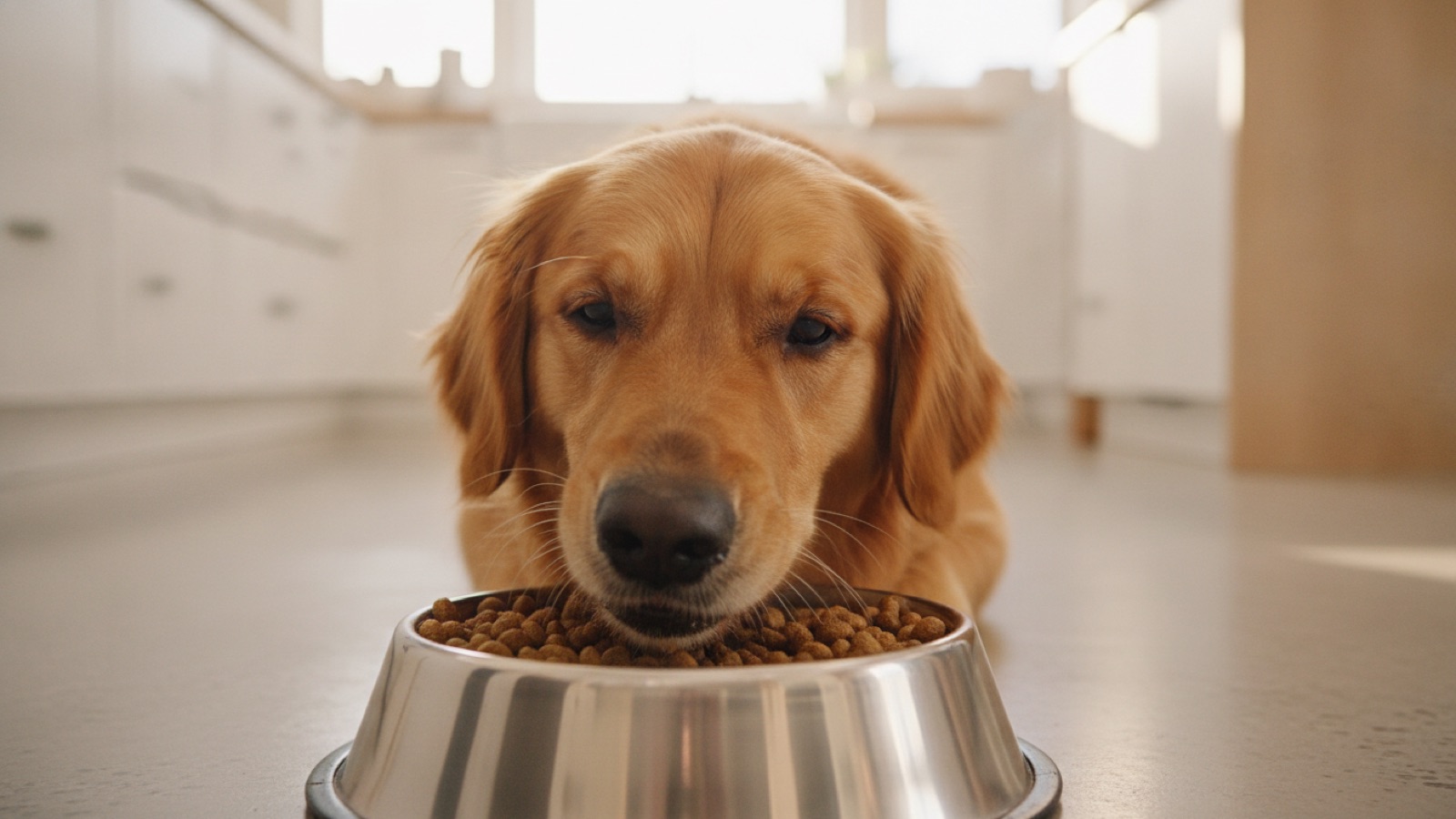
The main safety concerns
Raw meat frequently carries pathogens like Salmonella, Listeria, and E. coli. These can sicken your dog and, importantly, spread to people in the household — especially children, older adults, and anyone with a weakened immune system — through the food, the dog's stool, saliva, and contaminated surfaces. This public-health risk is the primary reason major organizations advise against raw diets.
Dogs fed raw can shed harmful bacteria even when they appear perfectly healthy, so the risk isn't just to the pet. Studies testing commercial raw pet foods have repeatedly found contamination, which is why the FDA and CDC treat raw pet food as a food-safety hazard.
What the major organizations say
The mainstream veterinary consensus is cautious. Groups including the American Veterinary Medical Association (AVMA), FDA, CDC, and many veterinary nutritionists discourage feeding raw or undercooked animal-source protein to pets, citing the risks to animal and human health. The AVMA has a policy specifically discouraging it.
Practical take: Many claimed benefits of raw feeding — shinier coat, cleaner teeth, better digestion — are largely anecdotal and haven't been demonstrated to be superior to a good complete-and-balanced cooked or commercial diet in controlled studies.
Nutritional balance is hard to get right
Beyond bacteria, home-prepared raw diets are frequently nutritionally unbalanced. Analyses of homemade recipes commonly find deficiencies or excesses in calcium, phosphorus, vitamins, and trace minerals. Over time these imbalances can cause real harm — for example, growing puppies are especially vulnerable to calcium and phosphorus errors that damage developing bones.
Getting a raw diet right requires a recipe formulated by a board-certified veterinary nutritionist and careful, consistent sourcing — not a recipe from the internet. Off-the-cuff DIY raw feeding is where a lot of the nutritional harm happens.
The trouble with bones
Raw diets often include bones, which carry their own risks:
- Fractured teeth from chewing hard bones.
- Choking and airway obstruction.
- Gastrointestinal blockage or perforation from swallowed pieces.
- Constipation from bone content.
Cooked bones are even more dangerous because they splinter — see our guide on why dogs shouldn't eat cooked bones. No bone is truly risk-free.
Risk-benefit at a glance
| Concern | Why it matters |
|---|---|
| Bacterial contamination | Sickens pets and spreads to people and surfaces |
| Nutritional imbalance | Common in homemade recipes; harms growth and long-term health |
| Bones | Broken teeth, choking, blockages, perforation |
| Vulnerable households | Higher risk for kids, seniors, and immunocompromised people |
| Proven benefit | Not demonstrated superior to a good balanced diet |
If you still want to feed raw
If, after weighing the risks, you choose to feed raw, reduce harm by working with your vet and following strict precautions:
- Use a recipe formulated by a board-certified veterinary nutritionist, or a reputable commercial product that does feeding trials.
- Consider commercially processed options (such as high-pressure-pasteurized or freeze-dried) that reduce, though don't eliminate, pathogens.
- Practice rigorous food safety: wash hands and surfaces, store frozen, don't leave food out, and keep raw food away from at-risk family members.
- Avoid raw entirely if anyone in the home is immunocompromised, very young, or elderly.
Whatever you feed, tracking your dog's weight, stool quality, energy, and any digestive upset over time helps you and your vet judge whether the diet is truly working for your dog.
See whether a diet is really working
Tavi lets you log your dog's weight, stool quality, energy and any digestive issues over time, so you can judge a diet by results — not marketing — and give your vet a clear history. Free for your first pet.
Frequently asked questions
Is a raw diet safe for dogs?
Major veterinary and public-health organizations, including the AVMA, FDA, and CDC, advise against raw diets mainly because raw meat often carries bacteria like Salmonella that can sicken dogs and spread to people. Homemade raw diets are also frequently nutritionally unbalanced. If you still feed raw, do so under veterinary guidance with strict food-safety precautions.
What are the risks of feeding my dog raw food?
The main risks are bacterial contamination that can infect both pets and people, nutritional imbalances in homemade recipes, and injuries from bones such as broken teeth, choking, and gastrointestinal blockages. The risk to people is higher in homes with children, older adults, or anyone immunocompromised.
Does raw food really give dogs a shinier coat and cleaner teeth?
These claimed benefits are largely anecdotal and haven't been shown to be superior to a complete, balanced conventional diet in controlled studies. A shiny coat and good health can be achieved with a well-formulated cooked or commercial diet without the safety risks of raw feeding.
Can raw dog food make people sick?
Yes. Raw pet food can carry pathogens like Salmonella and Listeria that spread to people through the food itself, contaminated surfaces, and even the dog's stool and saliva, since dogs can shed bacteria while appearing healthy. This public-health risk is a key reason major organizations discourage raw diets, especially in vulnerable households.
How can I feed raw more safely if I choose to?
Work with your vet, use a recipe from a board-certified veterinary nutritionist or a reputable commercial product that does feeding trials, and consider processed options like high-pressure-pasteurized or freeze-dried food. Practice strict food safety, and avoid raw entirely if anyone in the home is very young, elderly, or immunocompromised.
Tavi's guides are informational and not a substitute for professional veterinary advice, diagnosis or treatment. When in doubt, call your veterinarian.
Sources
- American Veterinary Medical Association (AVMA)
- U.S. Food and Drug Administration (FDA)
- Centers for Disease Control and Prevention (CDC)
- American College of Veterinary Nutrition (ACVN)