Can Dogs Eat Eggs? Benefits & Safe Serving
Start here
Yes — dogs can eat eggs, and cooked eggs are a safe, nutritious treat. Eggs are packed with protein, healthy fats and vitamins. Cook them plain (no butter, oil, salt or seasoning), and serve in moderation. Skip raw eggs, which carry a salmonella risk and, over time, can interfere with a vitamin — cooking solves both problems.
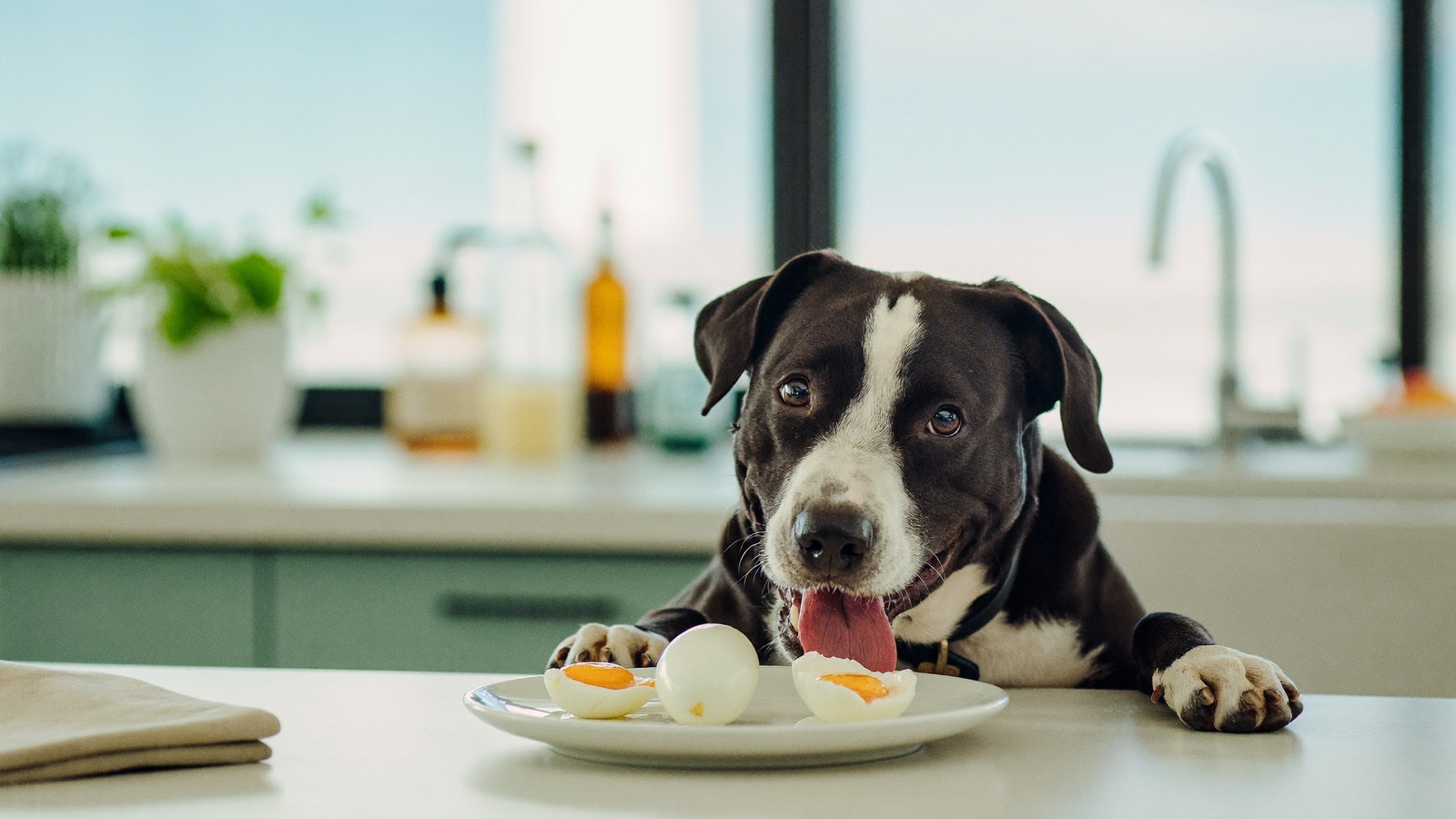
Are eggs good for dogs?
Eggs are one of nature's most complete foods, and that holds true for dogs. A cooked egg provides:
- High-quality, highly digestible protein with all the essential amino acids
- Healthy fats and fatty acids
- Vitamins A, B12, riboflavin and folate
- Minerals like iron, selenium and zinc
They're gentle on the stomach when plain and cooked, which is why vets sometimes suggest a little scrambled egg as part of a bland diet for a dog recovering from mild stomach upset.
Cooked vs. raw eggs
Always cook eggs before feeding them. Cooking matters for two reasons:
- Salmonella and other bacteria: raw eggs can carry bacteria that make both dogs and their humans sick.
- Biotin (vitamin B7): raw egg whites contain avidin, a protein that binds biotin. An occasional raw egg is unlikely to cause a deficiency, but regular feeding of raw whites over time can. Cooking deactivates avidin.
Practical take: Scrambled, hard-boiled or poached with nothing added is ideal. Cooking gives you all the nutrition without the risks.
How to serve eggs safely
Keep it plain and simple:
- No added fat or seasoning — skip butter, oil, salt, cheese, and especially onion or garlic (toxic to dogs).
- Cook thoroughly — scrambled, boiled or poached.
- Let it cool before serving.
- You can offer a little cooked shell, finely crushed, as a calcium source, but it isn't necessary and some dogs won't like the texture.
How much egg is okay
Eggs are calorie- and protein-dense, so they count toward the 10% rule for treats. Rough guidance for how much cooked egg to offer as an occasional treat:
| Dog size | Reasonable amount |
|---|---|
| Small (under 20 lb) | A few small bites, up to about ¼ egg |
| Medium (20–50 lb) | About ½ egg |
| Large (over 50 lb) | Up to about 1 egg |
Start with less the first time and see how your dog does. A whole egg every day is usually more than most dogs need on top of a balanced diet.
When to be cautious
Eggs suit most dogs, but take care if yours:
- Is overweight — count the extra calories.
- Has pancreatitis or needs a low-fat diet — the yolk is fatty.
- Has a food allergy — egg is an occasional allergen in dogs.
- Is on a diet formulated for a medical condition — check with your vet before adding extras.
If your dog gets loose stool or vomiting after eggs, cut back or stop and mention it to your vet.
Fitting eggs into the diet
Eggs are best as an occasional topper or treat, not a diet staple, since a balanced dog food already covers your dog's core nutrition. Introduce them gradually and note how your dog reacts. Logging new foods and any digestive changes over time makes it easy to see what your dog handles well and to give your vet a clear picture if anything seems off.
Track what agrees with your dog
Tavi lets you log new foods, treats and any reactions alongside your dog's weight, and charts it over time — so you can add extras like eggs with confidence. Free for your first pet.
Frequently asked questions
Can dogs eat eggs every day?
Most dogs can have a little cooked egg regularly, but a whole egg daily is often more than needed on top of a balanced diet. Because eggs add calories and fat, keep them within the 10% treat rule and adjust for your dog's size and weight.
Can dogs eat raw eggs?
It's best to avoid raw eggs. They can carry salmonella, and raw egg whites contain avidin, which can interfere with biotin absorption if fed regularly over time. Cooking eliminates both concerns, so cooked eggs are the safer choice.
Can dogs eat scrambled eggs?
Yes, as long as they're cooked plain with no butter, oil, salt, cheese, onion or garlic. Plain scrambled egg is easy to digest and is sometimes recommended as part of a bland diet for a dog with a mild upset stomach.
Can dogs eat eggshells?
Finely crushed, cooked eggshell can provide calcium, but it isn't necessary if your dog eats a complete, balanced diet, and some dogs dislike the texture. If you want to offer it, grind it well to avoid sharp pieces, and check with your vet first.
Are eggs good for a dog's coat?
Eggs contain protein and fatty acids that support skin and coat health, so they can be a helpful occasional addition. That said, a persistently dull coat can signal an underlying issue, so mention it to your vet rather than relying on eggs alone.
Tavi's guides are informational and not a substitute for professional veterinary advice, diagnosis or treatment. When in doubt, call your veterinarian.