Xylitol & Dogs: Why It's So Dangerous
Start here
No, never, xylitol is highly toxic to dogs. This sugar substitute can cause a rapid, dangerous drop in blood sugar and, in larger amounts, liver failure. Even small quantities can be life-threatening. Any ingestion is an emergency.
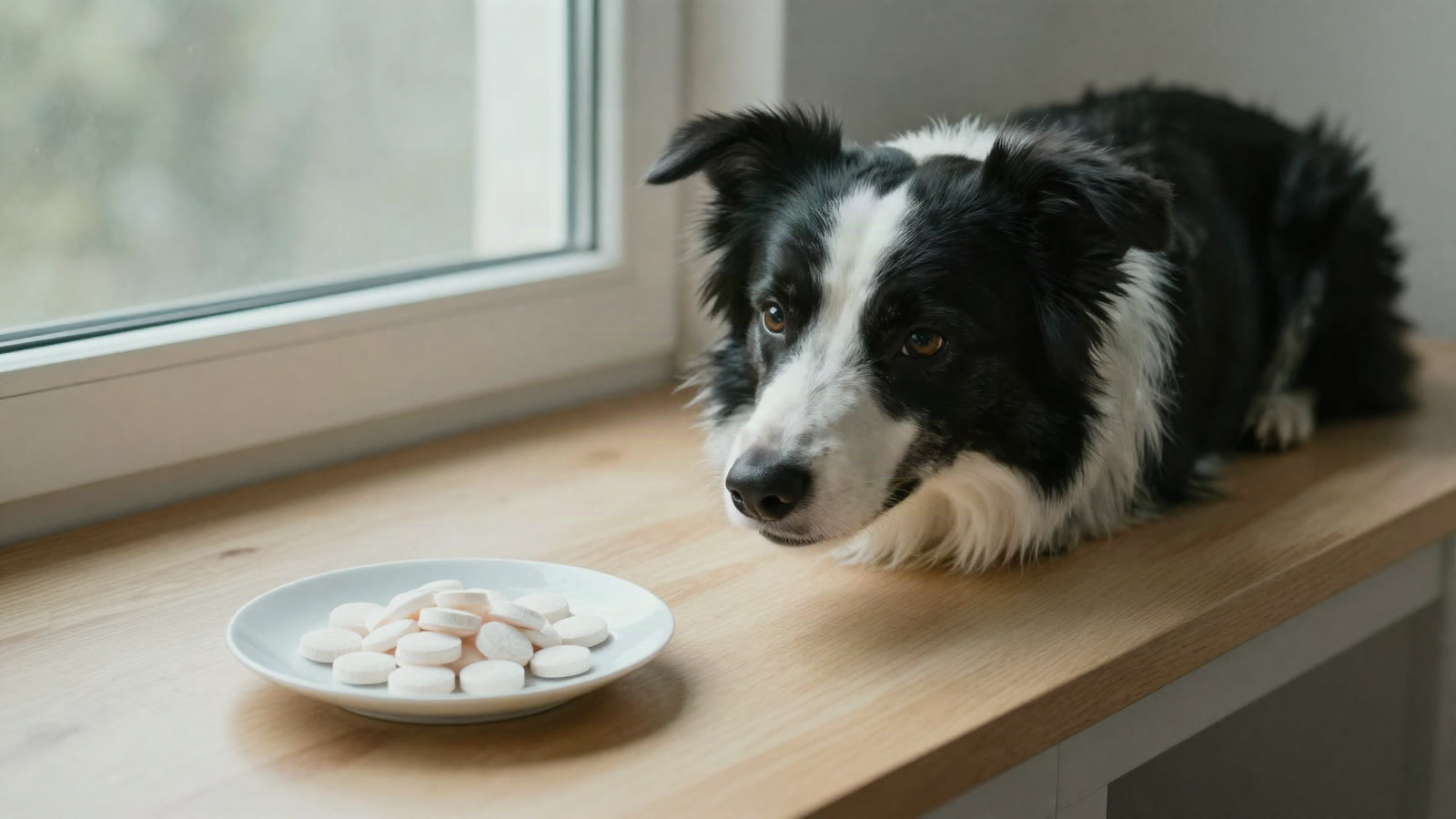
What is xylitol and why is it toxic to dogs?
Xylitol is a sugar alcohol used as a sweetener in many 'sugar-free' and 'no sugar added' products. In people it's harmless, but in dogs it's dangerous. A dog's body mistakes xylitol for real sugar and releases a large, rapid surge of insulin. That causes blood sugar to crash, a condition called hypoglycemia, within minutes to an hour.
In higher doses, xylitol can also cause liver damage or failure, which can be fatal. Dogs are uniquely sensitive to this effect.
Where xylitol hides
Xylitol shows up in far more products than people expect. Check labels for 'xylitol' or 'sugar alcohol,' and be aware it's sometimes labeled as 'birch sugar.' Common sources include:
- Sugar-free gum and mints (a leading cause of poisonings)
- Sugar-free candy, chocolate, and baked goods
- Some peanut butters and nut butters, always check before using as a treat or in medication
- Certain toothpastes, mouthwashes, chewable vitamins, and some medications
- 'Keto,' 'diabetic-friendly,' or low-sugar products
How much is dangerous, and the symptoms
Xylitol is toxic at very low doses, hypoglycemia can occur at roughly 0.1 grams per kilogram of body weight, and a single piece or two of some sugar-free gum can be enough to poison a small dog. Liver failure is associated with higher doses. Because product concentrations vary and are often not listed, any amount should be treated as dangerous.
Symptoms can appear within 15-60 minutes and include vomiting, weakness, staggering or incoordination, tremors, seizures, and collapse. Signs of liver injury may develop over the following hours to days.
What to do if your dog ate xylitol
Act immediately, this is a true emergency and minutes matter. Contact your veterinarian or the ASPCA Animal Poison Control Center at 888-426-4435 right away, or head to the nearest emergency clinic. Do not wait for symptoms and do not induce vomiting unless a professional directs you to.
Bring the product packaging so the team can gauge the dose. Note the product, estimated amount, and time eaten, logging it in Tavi helps you relay exact details and track your dog through treatment and follow-up liver monitoring.
Frequently asked questions
How much xylitol is toxic to a dog?
Very little. Blood-sugar crashes can occur around 0.1 grams per kilogram of body weight, and one or two pieces of some sugar-free gum can poison a small dog. Because product amounts vary and often aren't listed, treat any ingestion as dangerous and contact your vet or ASPCA Animal Poison Control (888-426-4435) immediately.
What are the first signs of xylitol poisoning?
Signs often appear within 15 to 60 minutes and include vomiting, weakness, staggering, tremors, seizures, and collapse, all from a rapid blood-sugar crash. Liver damage can develop over the following hours to days. If you see these or know your dog ate xylitol, seek emergency care right away.
Is xylitol in peanut butter?
Some peanut and nut butters contain xylitol, so always read the label before giving any as a treat or to hide medication. Look for 'xylitol,' 'sugar alcohol,' or 'birch sugar.' If a product contains it, don't use it for your dog, choose a plain, xylitol-free peanut butter instead.
What is xylitol also called on labels?
Besides 'xylitol,' it may be listed as 'birch sugar' or grouped under 'sugar alcohols.' It appears in sugar-free gum, candy, baked goods, some peanut butters, toothpaste, and 'keto' or 'diabetic-friendly' items. When in doubt, keep the product away from your dog and check with your vet.
Tavi's guides are informational and not a substitute for professional veterinary advice, diagnosis or treatment. When in doubt, call your veterinarian.