Can Dogs Eat Broccoli? Safe Amounts & Cautions
Start here
Yes — dogs can eat broccoli in small amounts as an occasional treat. It's high in fiber and vitamin C and low in fat. The cautions: broccoli florets contain compounds (isothiocyanates) that can cause gas or stomach upset in larger amounts, and the thick stalks can be a choking hazard. Keep it to a small portion and serve it plain.
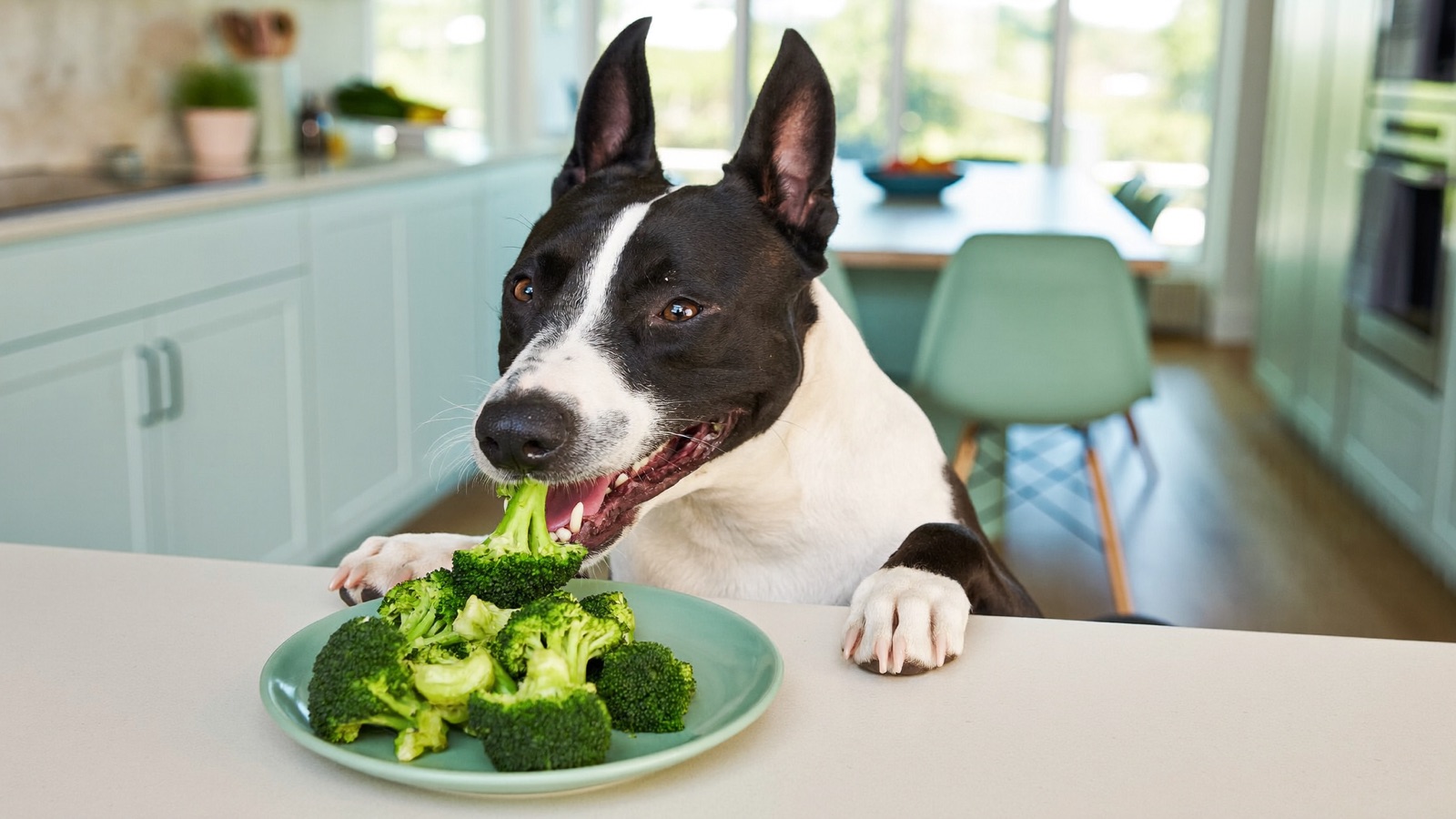
Is broccoli good for dogs?
Broccoli is a safe, nutritious vegetable for dogs when fed in moderation. It offers fiber, vitamin C, vitamin K and antioxidants, and it's low in fat and calories — a decent crunchy treat for a dog who likes veggies.
The important word is moderation. Broccoli florets contain natural compounds called isothiocyanates that, in large quantities, can irritate a dog's stomach and cause gas, discomfort or diarrhea. As a rule of thumb, broccoli should make up only a small fraction of what your dog eats in a day.
How much broccoli is safe?
Veterinary guidance is that broccoli is safe when it stays under about 10% of a dog's daily food, and that more than roughly 25% can be problematic because of the isothiocyanates. Practically, that means a few small pieces:
| Dog size | Reasonable amount |
|---|---|
| Small (under 20 lb) | 1–2 small florets, chopped |
| Medium (20–50 lb) | A few small pieces |
| Large (over 50 lb) | A small handful of pieces |
Practical take: Start with one small piece the first time and watch for gas or loose stool before offering more.
Watch the stalks and choking risk
Broccoli stalks can cause choking or an intestinal blockage, especially in small dogs, because they're fibrous and can lodge in the throat or gut. Cut broccoli into small, bite-size pieces, and be extra careful with the tougher stems.
Serve broccoli plain — no butter, oil, salt, cheese sauce or seasonings. Onion and garlic, common in cooked broccoli dishes, are toxic to dogs, so never share broccoli that's been prepared for people.
Raw vs. cooked broccoli
Both are safe when plain. Choose based on your dog:
- Raw broccoli is crunchy and keeps more vitamin C, but is harder to chew and digest — chop it small.
- Steamed or plain-cooked broccoli (no oil or seasoning) is softer and gentler on the stomach, a better pick for small dogs, puppies and seniors.
Avoid frying it or adding any fats or flavorings, which cancel out the benefits and can upset the stomach.
When to skip broccoli
Broccoli isn't the right treat for every dog:
- Dogs with sensitive stomachs or a history of GI upset — the gas-forming compounds may not sit well.
- Dogs on prescription diets — check with your vet before adding extras.
If you're introducing new vegetables, jotting down what you fed and any reaction makes it easy to spot which foods agree with your dog and which don't — and to share that with your vet if a pattern of digestive trouble shows up.
Find out which foods actually agree with your dog
Tavi lets you log new treats alongside any digestive upsets, so you can quickly see which foods work for your dog and hand your vet a clear record. Free for your first pet.
Frequently asked questions
Can dogs eat broccoli every day?
It's better as an occasional treat than a daily one. Broccoli contains compounds that can cause gas and stomach upset in larger amounts, so keep it under about 10% of your dog's daily food and rotate it with other treats.
Is raw or cooked broccoli better for dogs?
Both are safe as long as they're plain. Raw broccoli keeps more vitamin C but is harder to chew and digest, while steamed broccoli is softer and gentler on the stomach. Either way, cut it into small pieces and skip any oil or seasoning.
Can broccoli make dogs sick?
In large amounts it can. The isothiocyanates in broccoli florets can irritate the stomach and cause gas or diarrhea, and the fibrous stalks can be a choking or blockage hazard. Small, plain portions cut into bite-size pieces are the safe approach.
Can dogs eat broccoli stalks?
Only if cut into small pieces. Whole or large stalk chunks are fibrous and can cause choking or an intestinal blockage, especially in small dogs. If you feed the stalk, chop it finely, or stick to small pieces of floret.
What vegetables are safe for dogs?
Many are, in moderation and served plain, including green beans, cucumber, carrots and pumpkin. Avoid onions, garlic, leeks and chives, which are toxic to dogs, and always introduce new vegetables slowly.
Tavi's guides are informational and not a substitute for professional veterinary advice, diagnosis or treatment. When in doubt, call your veterinarian.