American Shorthair Cat Health Issues & Lifespan
Start here
American Shorthairs are hardy, low-maintenance cats with a long-lived reputation — the 15-20 years usually quoted is breed convention rather than a measured figure, and the median age at death recorded for 118,016 UK cats was 14.0 years. As a naturally bred working cat, the breed has few genetic problems, but it is prone to obesity and, like many breeds, can develop hypertrophic cardiomyopathy (HCM), dental disease, and kidney issues with age. Keeping them lean is the biggest health win.
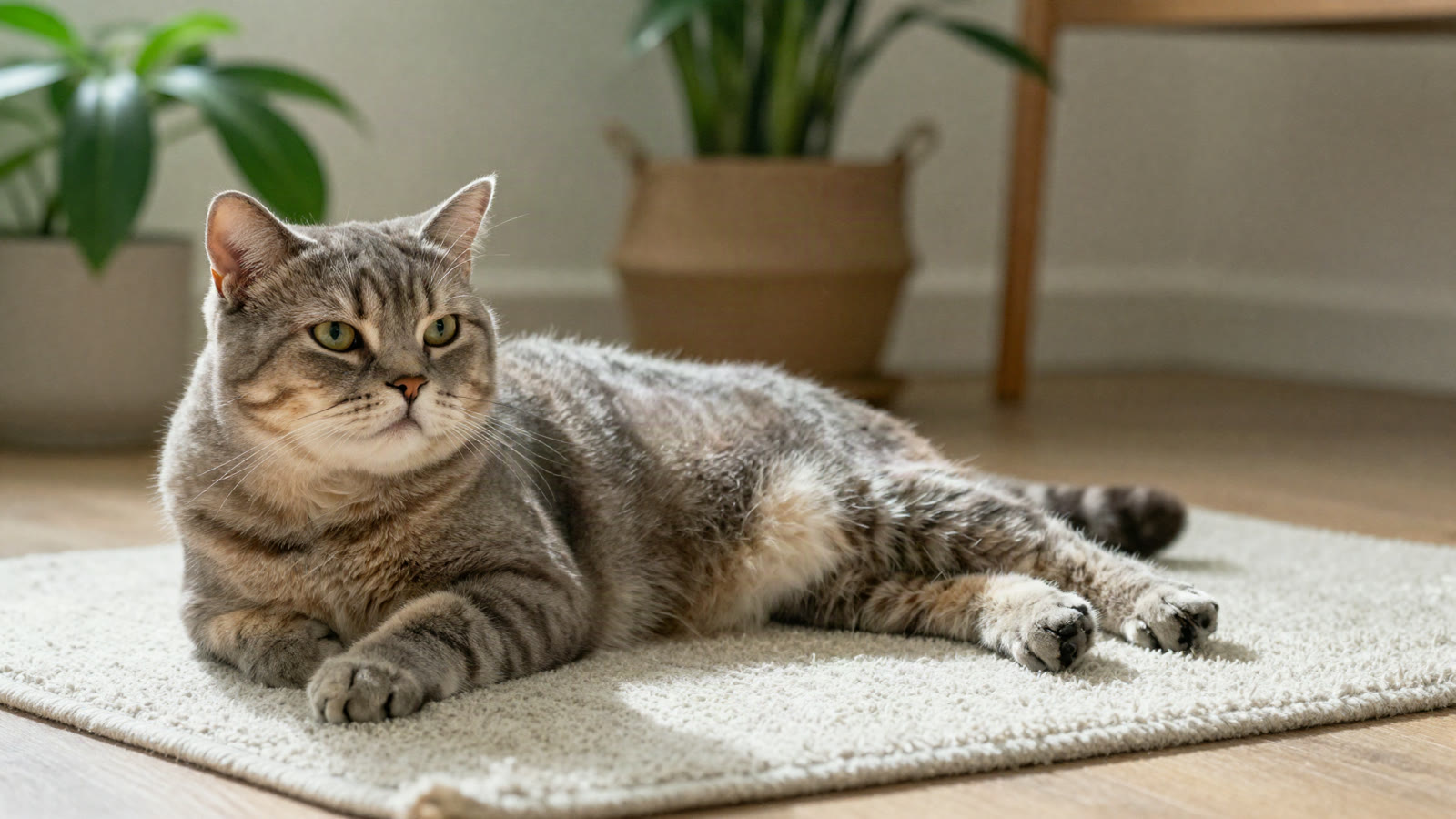
What health problems are American Shorthairs prone to?
Bred from sturdy working cats, the American Shorthair is one of the more genetically sound pedigreed breeds. The main concerns are:
- Obesity - this breed gains weight easily, especially as it becomes less active with age; excess weight drives diabetes, arthritis, and urinary problems.
- Hypertrophic cardiomyopathy (HCM) - the most common feline heart disease, reported in the breed.
- Dental disease - tartar, gingivitis, and tooth resorption are very common in cats generally.
- Chronic kidney disease - a leading issue in senior cats.
- Polycystic kidney disease (PKD) can appear in some lines, though it's far more associated with Persians.
What early signs should I watch for?
The clearest early warning is creeping weight gain, so notice if your cat is getting rounder or less playful. For the heart, watch for fast or labored breathing, lethargy, or sudden hind-leg weakness - the latter is an emergency.
Increased thirst and urination or weight loss can signal kidney disease or diabetes, while bad breath, drooling, or dropping food points to dental problems. Any of these warrants a vet check.
How do I keep an American Shorthair healthy?
This is a genuinely low-maintenance breed, so a few consistent habits go a long way:
- Control weight - measure meals, limit treats, and keep them playing daily. Obesity prevention is the single most impactful thing you can do.
- Brush teeth or use dental treats and schedule professional cleanings as advised.
- Provide fresh water and some wet food to support urinary and kidney health.
- Keep up annual exams (twice yearly for seniors), vaccines, and parasite prevention.
Because weight and kidney changes happen gradually, tracking helps. Logging weight and vet visits in Tavi turns slow breed tendencies like obesity into visible trends you can act on early.
How long do American Shorthairs live, and when should I see the vet?
American Shorthairs have a reputation for longevity, and 15 to 20 years is the range usually quoted for the breed — though it is conventional breed knowledge rather than a published figure, and it sits well above the 14.0-year median age at death recorded for 118,016 UK cats. Their natural hardiness and low rate of genetic disease are a real advantage, and keeping them at a healthy weight is the part you control.
Seek emergency care for labored breathing or sudden hind-leg paralysis. Book a routine visit for gradual weight change, increased thirst, appetite loss, or dental discomfort. From about age seven, ask your vet about senior wellness bloodwork to catch kidney disease, thyroid issues, and diabetes early.
How does an indoor lifestyle affect an American Shorthair's health?
American Shorthairs are adaptable, easygoing cats that do well indoors - which is where they're safest from cars, predators, disease, and injury, all of which shorten feline lifespans. But indoor living shifts the health equation in ways worth planning for.
The main trade-off is activity. An indoor American Shorthair burns fewer calories and, being a food-motivated breed, gains weight easily if meals aren't measured. Counter this with daily interactive play, climbing furniture, and food puzzles that make them work a little for meals. Keeping them mentally stimulated also prevents boredom-related overeating and stress.
Indoor cats still need full preventive care - vaccines, parasite prevention, and dental attention - because indoor life reduces but doesn't eliminate risk. The payoff is real: a lean, enriched indoor American Shorthair is well positioned to reach the upper end of that impressive 15-to-20-year range.
Frequently asked questions
Are American Shorthairs a healthy breed?
Yes. Bred from robust working cats, the American Shorthair has relatively few genetic diseases and a long-lived reputation; 15 to 20 years is the range usually quoted, though that is breed convention rather than a measured figure — the median age at death recorded for 118,016 UK cats was 14.0 years. Its most common health problem is obesity, which is preventable with measured meals and play. Hypertrophic cardiomyopathy, dental disease, and kidney disease can occur, so routine vet care matters.
How long do American Shorthair cats live?
The range usually quoted for the breed is 15 to 20 years, with some cats reaching their early twenties, but that is breed convention rather than a published figure: the median age at death in a UK primary-care study of 118,016 cats was 14.0 years. Keeping them at a healthy weight is the biggest factor, along with regular dental care, current vaccines, and senior bloodwork to catch kidney or thyroid disease early. Their natural hardiness gives them a strong longevity advantage.
Why does my American Shorthair keep gaining weight?
The breed is prone to obesity, especially indoors and as activity drops with age. Free-feeding and frequent treats are common culprits. Switch to measured meals, cut back on treats, and add daily play or food puzzles. If your cat gains weight despite this, ask your vet to rule out thyroid or hormonal causes.
Is the American Shorthair the same as a domestic shorthair?
No. The American Shorthair is a recognized pedigreed breed with a defined standard and known lineage, while domestic shorthair simply describes mixed-breed shorthaired cats. Both are generally healthy, but a pedigreed American Shorthair's known ancestry can make breed-specific risks like HCM easier to anticipate and monitor.
Tavi's guides are informational and not a substitute for professional veterinary advice, diagnosis or treatment. When in doubt, call your veterinarian.