Puppy Biting & Nipping: How to Stop It Gently
Start here
Puppy biting and nipping is completely normal — puppies explore the world with their mouths and are teething. The goal isn't to punish it but to teach bite inhibition and redirect that mouthing onto appropriate toys. With consistency, most puppies grow out of it by around 6 months. Yelping or ending play when teeth touch skin, plus plenty of chew outlets, works far better than scolding.
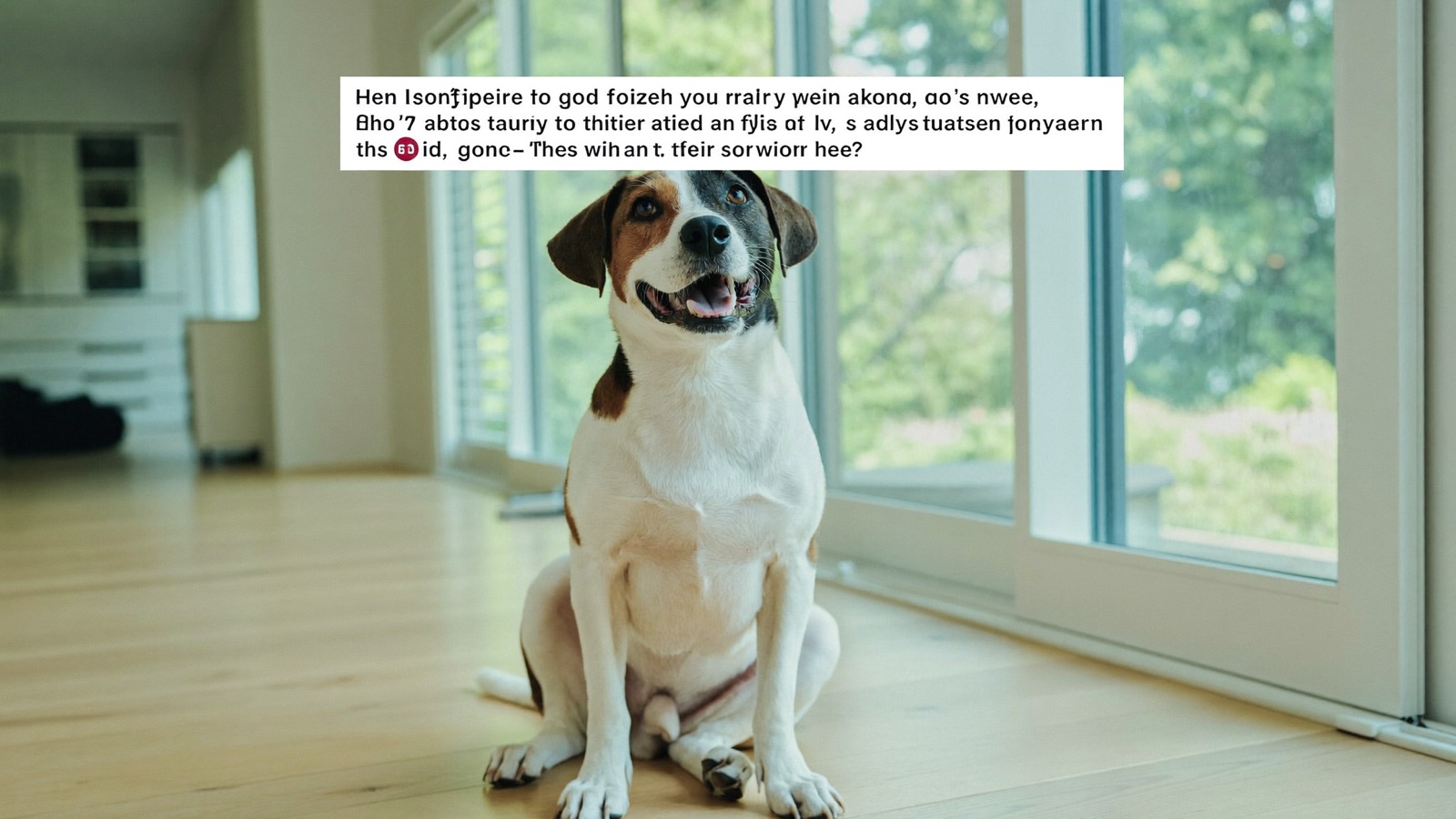
Why puppies bite everything
Mouthing is how puppies learn about their world, play with littermates, and soothe sore gums while teething. It is normal, developmentally healthy behavior — not aggression or a sign of a "bad" dog. Understanding that changes the whole approach: you're not stamping out a fault, you're teaching a young animal a new set of rules for living with people.
Puppies also bite more when they're overtired, overexcited, or under-stimulated. A puppy who's been awake and wound up for hours often bites harder and more frantically — sometimes what looks like a biting problem is really an overtired puppy who needs a nap.
Teaching bite inhibition
Bite inhibition — learning to control the force of a bite — is one of the most valuable things a puppy can learn, and littermates start the lesson before you ever meet them. You continue it:
- When teeth touch your skin, give a short, high-pitched "ouch" or yelp and briefly stop playing. This mimics how a littermate reacts and tells the puppy that hard mouthing ends the fun.
- Pause for a few seconds, then calmly resume. If the puppy bites hard again, end the session and walk away for a minute.
- Gradually raise the standard — first discourage hard bites, then softer and softer ones, until mouthing on skin fades.
The lesson isn't "never use your mouth"; it's "be gentle," which is safer for everyone over a dog's whole life.
Redirect onto the right things
Alongside teaching softness, give the mouth somewhere better to go:
- Keep chew toys within reach and offer one the instant the puppy starts to mouth you.
- Chilled or frozen chew toys soothe sore teething gums.
- Trade hands for toys in play — encourage tug and fetch instead of grabbing skin.
- Reward calm mouths — praise and treat when the puppy licks or nuzzles instead of biting.
Practical take: Every time you say "no teeth," follow it with a "yes, this" — an acceptable toy. Puppies learn fastest when they're shown the right choice, not just told no.
What not to do
Never hit, smack the muzzle, hold the mouth shut, or use physical punishment for biting. These methods frighten the puppy, damage trust, and can actually increase biting or lead to fear-based aggression later. Yelling or rough handling teaches a puppy that hands are scary.
Also avoid wrestling and rough hand-play that invites biting, then getting cross when the puppy takes you up on it — you can't reward mouthing in one moment and punish it the next. And don't wave your hands or feet to rev the puppy up; use toys as the target instead.
Manage the environment
You can prevent a lot of biting before it starts. Make sure the puppy gets enough sleep — young puppies need a great deal of it, and enforced nap times in a crate or pen head off the overtired frenzy. Provide daily physical and mental exercise suited to their age. Keep play sessions short and end them before the puppy tips into over-arousal. When guests or kids visit, have toys ready and keep interactions calm.
If the biting is intense, drawing blood regularly past the early months, or paired with growling, stiffness and guarding, that's worth discussing with your vet or a qualified positive-reinforcement trainer to rule out anything beyond normal puppy behavior.
Track the progress
Puppy stages move fast, and it helps to keep a light record of what's working — which redirection toys the puppy actually likes, when the biting spikes (often late afternoon or when overtired), and how the frequency changes week to week. Seeing the trend reassures you that the consistency is paying off, and it flags the times of day to plan a nap or a chew before the nipping starts. Logging teething, vet visits and training notes together keeps the whole picture in one place during a busy, forgetful first few months.
Keep track of your puppy's milestones
Tavi helps you log training progress, teething, vet visits and daily routines during the whirlwind puppy months — so you can see what's working and catch patterns like the late-afternoon nipping spike. Free for your first pet.
Frequently asked questions
At what age do puppies stop biting?
Most puppies grow out of the worst mouthing by around 5 to 6 months, as teething finishes and they learn bite inhibition. Consistent training speeds it up. If hard biting continues well past this age or comes with growling and stiffness, ask your vet or a positive-reinforcement trainer for guidance.
Is puppy biting a sign of aggression?
Almost always no. Puppy mouthing is normal exploratory and play behavior, not aggression. It's how puppies investigate the world and soothe teething gums. True aggression looks different — stiff body, deep growling, guarding — and is worth discussing with a professional if you see it.
Should I yelp when my puppy bites me?
A short, high-pitched 'ouch' followed by briefly stopping play works well for many puppies, because it mimics how a littermate reacts to a hard bite. If yelping seems to excite your puppy more, simply go quiet and calmly end the play session instead. Always follow up by offering an acceptable chew toy.
Why does my puppy bite more in the evening?
Evening 'witching hour' biting is usually a sign of an overtired, over-aroused puppy rather than a training failure. Young puppies need a lot of sleep, and when they miss it they get frantic and bitey. Enforcing regular nap times in a crate or pen often reduces evening nipping dramatically.
Is it okay to punish my puppy for biting?
No physical punishment. Never hit, smack the muzzle, or hold the mouth shut, as these frighten the puppy, break trust, and can lead to fear-based aggression. Instead, redirect to toys, reward gentle mouths, and end play when teeth touch skin. Positive, consistent methods work far better.
Tavi's guides are informational and not a substitute for professional veterinary advice, diagnosis or treatment. When in doubt, call your veterinarian.