How to Help Your Dog Lose Weight Safely
Start here
Help your dog lose weight slowly and steadily: aim for roughly 1 to 2 percent of body weight per week. Feed for the target weight, measure every meal, count treats within 10 percent of daily calories, add gentle exercise, and track the trend. Ask your vet to set the target and calories first.
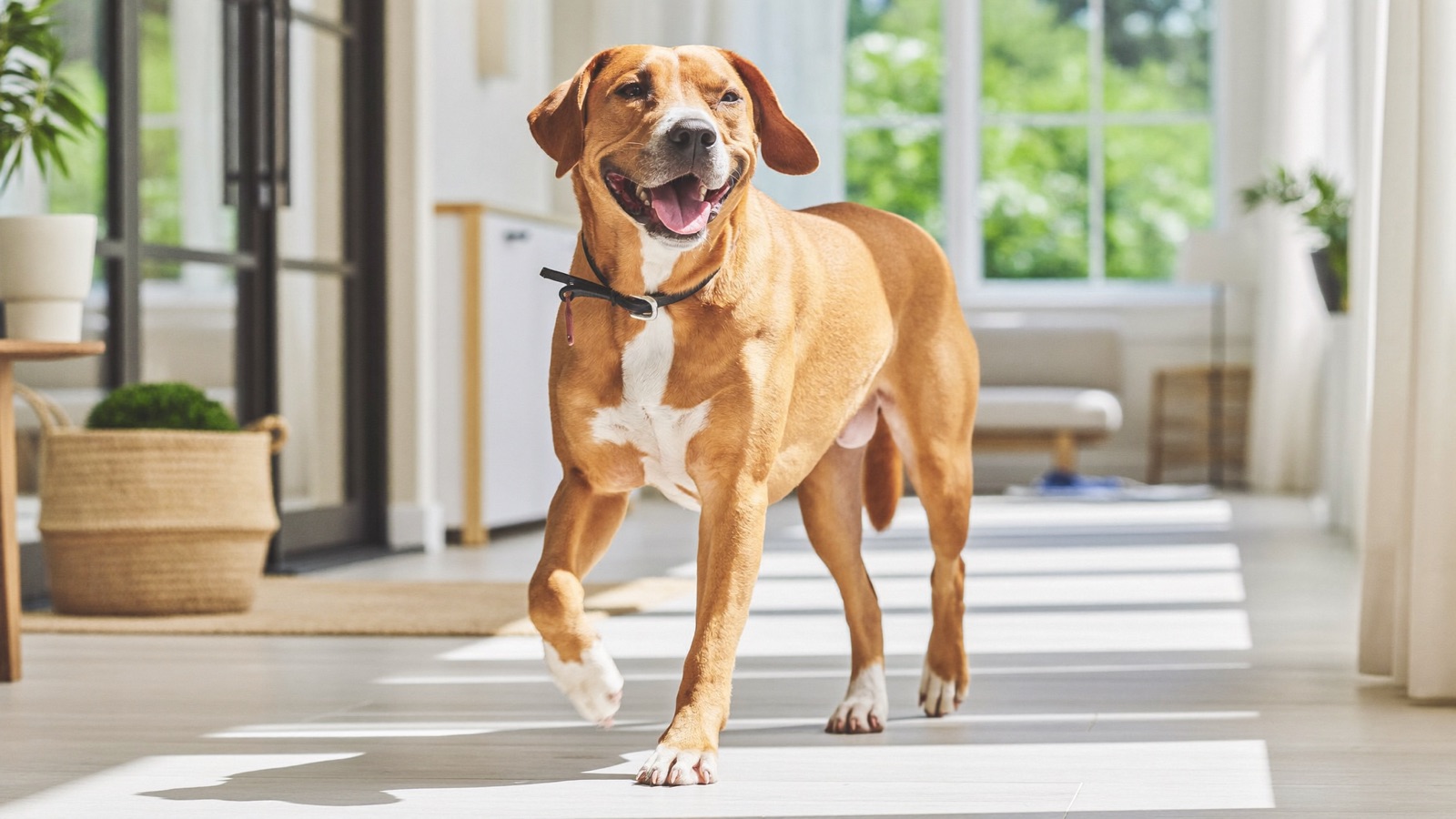
Helping a dog slim down is one of the most valuable things you can do for their comfort and lifespan — but the how matters. Crash diets backfire, so the goal is slow, steady loss with full nutrition along the way. Here is a practical, vet-informed plan.
First, make sure weight loss is actually needed. If you have not already, run the hands-on rib, waist and tuck check in our guide to whether your dog is overweight, then confirm with your vet.
1. Aim for the right rate: slow and steady
The single most important rule is patience. Veterinary guidance is that a safe rate of loss is around 1 to 2 percent of body weight per week. For many dogs that is only a small fraction of a kilogram at a time.
2. Feed for the target weight, not the current one
The core lever is calories in. Two common, vet-endorsed approaches:
- Feed for the ideal weight: use the feeding guide (or a feeding calculator) for the weight your dog should be, not the weight they are now.
- Reduce current intake by around 20%: a widely used starting point, then fine-tune based on the weekly trend.
Whichever you use, treat it as a starting estimate and let real-world progress refine it. Your vet will calculate the precise amount for your individual dog.
3. Measure every meal
Eyeballing portions is the quiet reason many diets stall. To be accurate:
- Weigh food on a kitchen scale in grams — far more precise than a scooped cup, which can vary by 20% or more.
- Split the daily amount across meals so your dog does not feel deprived.
- Make everyone in the house agree on the amount, so the dog is not fed twice.
4. Get treats under control
Treats are where hidden calories pile up. The rule of thumb: all treats together should stay under about 10% of daily calories, and whatever you give in treats you subtract from meals. Easy swaps:
- Use low-calorie vegetables like carrot sticks, green beans or cucumber slices (avoid anything toxic — no onions, garlic, grapes or raisins).
- Set aside a portion of the daily kibble to hand out as rewards, so training does not add calories.
- Break treats into tiny pieces — dogs value the moment, not the size.
- Cut out table scraps, which are calorie-dense and hard to track.
Watch the trend, not the daily wobble
Tavi lets you log weigh-ins and body condition so you can see the line heading down over weeks — and adjust before progress stalls. Free for your first pet.
5. Add gentle, regular exercise
Diet does most of the heavy lifting, but movement helps preserve muscle, burn a little extra energy and lift your dog's mood. Build up gradually:
- Several shorter walks a day are often kinder than one long one for an unfit or overweight dog.
- Add gentle play, sniff-walks and, where suitable, swimming, which is easy on sore joints.
- Let stamina and joints set the pace — stop if your dog is lagging, limping or breathing hard.
6. Track progress and adjust
Weight loss is a feedback loop. Roughly every two to four weeks, weigh your dog on the same scale and re-check body condition. Then:
| What you see | What it means | What to do |
|---|---|---|
| Losing ~1–2% per week | On track | Keep the plan steady; keep weighing. |
| Not losing after 2–4 weeks | Too many calories still going in | Recheck portions and hidden treats; ask your vet about a further small reduction. |
| Losing faster than 2% per week | Too fast | Increase food slightly and check with your vet. |
| Reached ideal body condition | Goal met | Switch to a maintenance amount for the new weight to avoid regain. |
7. Keep your vet in the loop
Your vet is your partner here. Before starting, they confirm your dog is genuinely overweight, rule out medical causes such as an underactive thyroid, set a realistic target weight and calorie amount, and schedule weigh-ins. Book a check-in sooner if your dog seems unwell, is losing weight very fast, or is not losing at all despite following the plan.
Frequently asked questions
How fast can a dog safely lose weight?
Aim for slow, steady loss of about 1 to 2 percent of body weight per week — for many dogs that is a small fraction of a kilogram. Losing faster than this risks muscle loss, nutritional gaps and rebound weight gain, and can be dangerous. Weight loss is a project of months, not weeks, so patience wins.
How many calories should I cut to help my dog lose weight?
A common starting point is feeding for your dog's target weight rather than current weight, or reducing intake by roughly 20 percent, then adjusting based on progress. Because crash diets are risky, your vet should calculate the exact amount and often recommends a therapeutic weight-loss food so your dog still gets full nutrition on fewer calories.
What treats can I give a dog on a diet?
Keep all treats under about 10 percent of daily calories and subtract them from meals. Swap high-calorie treats for low-calorie options like small pieces of carrot, green beans or cucumber, or set aside a little of the daily kibble to hand out as rewards so treats do not add extra calories.
How much exercise does an overweight dog need?
Diet does most of the work, but activity helps preserve muscle and lift mood. Build up gradually with several short walks a day and gentle play, and let stamina and joints set the pace. If your dog is very overweight or has joint or heart issues, ask your vet what is safe before increasing exercise.
How long will it take my dog to lose weight?
It depends on how much they need to lose, but healthy weight loss is gradual — often several months to reach an ideal body condition. At around 1 to 2 percent per week, a dog needing to lose 15 percent of its weight may take three to six months. Steady progress matters more than speed.
When should I involve my vet in my dog's weight loss?
Before you start. Your vet confirms your dog is overweight, rules out medical causes such as an underactive thyroid, sets a target weight and calorie amount, and books weigh-ins to keep things on track. Check in sooner if your dog seems unwell, is not losing despite the plan, or loses weight very quickly.
Tavi's guides are informational and not a substitute for professional veterinary advice, diagnosis or treatment. Weight-loss plans should be set and supervised by your own veterinarian, who can rule out medical causes, calculate safe calorie targets and monitor progress — especially for very overweight dogs or those with health conditions. Sources include the American Animal Hospital Association (AAHA) nutrition and weight-management guidelines, the Association for Pet Obesity Prevention (APOP), the UC Davis School of Veterinary Medicine, the Merck Veterinary Manual and PetMD.