Why Is My Cat Drinking So Much Water?
Start here
A lasting rise in thirst is one of the earliest, most useful warning signs in cats. The usual culprits are kidney disease, diabetes and hyperthyroidism — often before a cat looks unwell. Most cats need roughly 40–60 ml of water per kg daily; over ~100 ml/kg is clearly excessive. If it persists, see your vet.
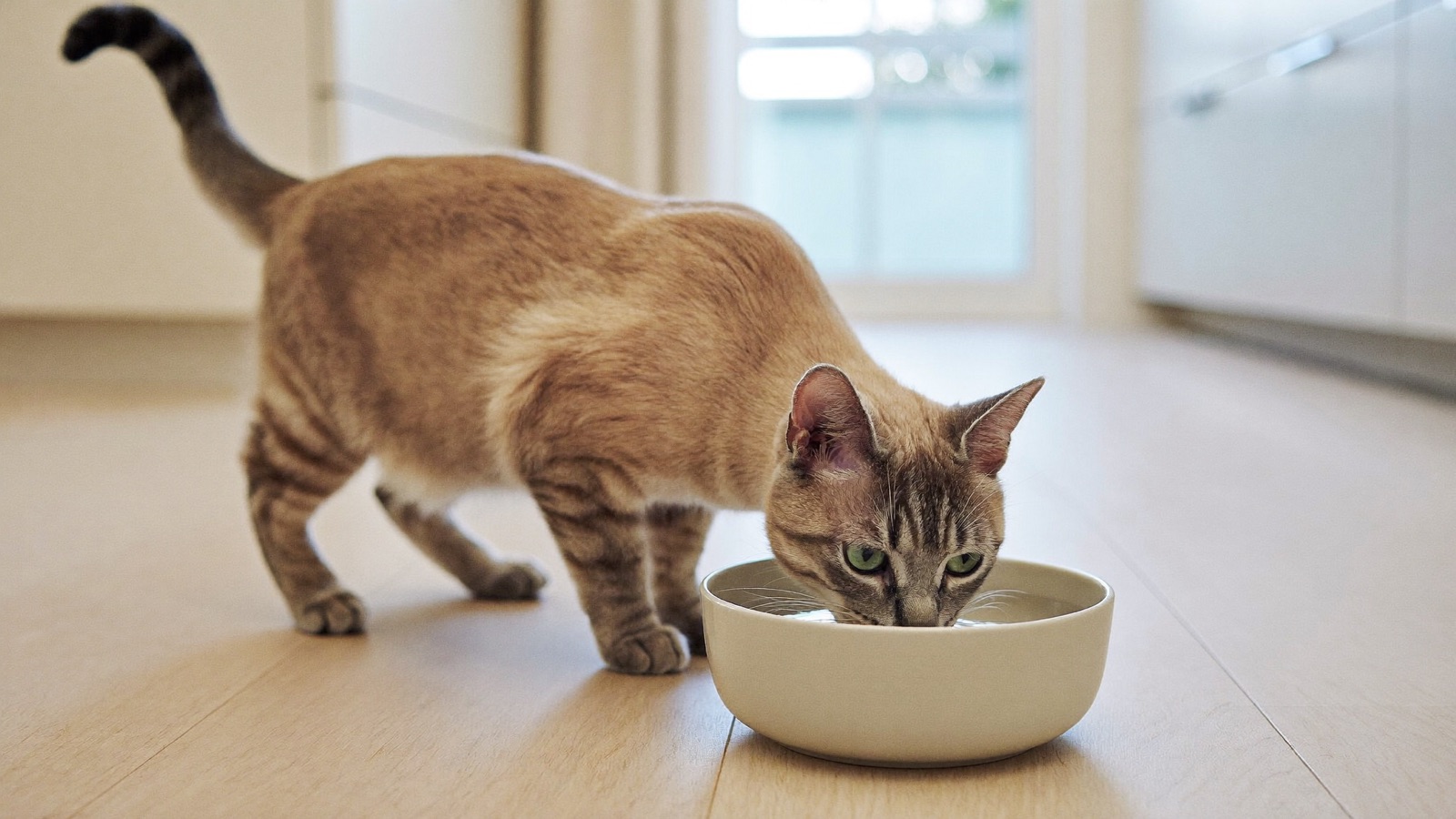
Cats are quiet about being unwell — they evolved to hide it — so the small, measurable changes are often your best early signal. A cat that starts hovering at the water bowl, or whose litter clumps are suddenly bigger, may be telling you something weeks before other symptoms appear. This is exactly why knowing your cat's normal baseline is so valuable.
How much water is normal?
Water comes from the bowl and from food, which matters a lot in cats. As a rough guide:
- Total daily need: roughly 40–60 ml per kg of body weight from all sources.
- Cats on wet food drink much less from the bowl — canned food is about 70–80% water, so most of their intake is in the meal.
- Cats on dry food visibly drink more to make up the difference, which is completely normal.
- Clearly excessive: vets generally flag intake above about 100 ml/kg/day as abnormal (medically called polydipsia) — but a smaller, persistent rise from your cat's own normal is still worth noting.
For a 4 kg (about 9 lb) cat, that puts a normal ballpark around 160–240 ml a day from all sources — far less if they eat wet food.
The common causes to know about
Increased thirst (and the increased urination that comes with it) points to a handful of conditions, several of them very treatable when caught early:
| Cause | Who it tends to affect | Other signs you might notice |
|---|---|---|
| Chronic kidney disease | The most common cause; especially cats over ~7 years | More/larger litter clumps, weight loss, reduced appetite, poor coat, sometimes vomiting |
| Diabetes mellitus | Often middle-aged, overweight cats | Big appetite yet weight loss, increased urination, lethargy |
| Hyperthyroidism | Very common in cats over ~10 years | Weight loss despite a strong appetite, restlessness, increased heart rate, sometimes vomiting |
| Urinary tract infection | Any age | Straining, frequent trips to the box, blood in urine, going outside the box |
| High blood calcium / other | Less common | Varies; found on blood tests |
How to measure your cat's water intake
You don't need special equipment — just a measuring cup and a little consistency:
- Offer water from one bowl if you can, so it's countable. (Multi-cat homes are trickier — note that in your record.)
- Pour in a measured amount and write it down.
- After 24 hours, measure what's left. The difference is roughly what your cat drank.
- To account for evaporation, set an identical bowl of measured water somewhere the cat can't reach and subtract its loss.
- Repeat for 2–3 days and average. Then check again periodically.
The number itself matters less than the trend. Knowing that your cat normally drinks, say, 150 ml a day makes a jump to 300 ml impossible to miss — and gives your vet a concrete figure to work with.
Track the baseline, catch the change
Because cats hide illness, a logged water and weight trend is one of the most powerful early-warning tools you have. Tavi lets you record water intake, weight and litter-box notes and see the trend over time. Free for your first pet.
Frequently asked questions
How much water should a cat drink per day?
As a rough guide, cats need roughly 40 to 60 ml of water per kilogram of body weight per day from all sources. Cats on wet food drink much less because their food is mostly water. Intake above about 100 ml per kilogram per day is considered clearly excessive and warrants a vet visit.
Why is my cat suddenly drinking a lot of water?
A sudden, sustained increase in thirst is one of the most useful early warning signs in cats. The most common causes are chronic kidney disease, diabetes mellitus and hyperthyroidism, and sometimes high blood calcium or a urinary infection. Heat, dry food or exercise can raise thirst briefly, but a lasting change needs a vet check.
Is a cat drinking more water a sign of kidney disease?
It can be. Chronic kidney disease is the leading cause of increased thirst in older cats. As the kidneys lose the ability to concentrate urine, the cat urinates more and drinks more to keep up. Increased thirst and urination are often the earliest signs, so it's worth an early vet visit rather than waiting.
How do I measure how much my cat drinks?
Use one water source if you can, and measure it. Pour in a known amount, and 24 hours later measure what's left, subtracting for evaporation with a second identical bowl elsewhere. Do this a few days for an average. Note it, and track over time — knowing your cat's baseline makes a change easy to spot.
When should I take my cat to the vet for drinking too much?
See your vet if increased drinking lasts more than a few days, or comes with more or larger litter clumps, weight loss despite a good appetite, vomiting, lethargy, or appetite changes. For a senior cat, book sooner. A urine and blood test can distinguish kidney disease, diabetes and thyroid problems and guide treatment.
Can drinking more water ever be normal?
Yes. Hot weather, more exercise, switching from wet to dry food, or a saltier diet can all raise thirst temporarily and harmlessly. The concern is a persistent increase that isn't explained by those factors, especially in a middle-aged or older cat. If in doubt, measure it and mention it to your vet.
Tavi's guides are informational and not a substitute for professional veterinary advice, diagnosis or treatment. Increased thirst can have many causes, some serious — if it persists or comes with other symptoms, please contact your veterinarian. Sources include Cornell Feline Health Center, International Cat Care, the Merck Veterinary Manual, PetMD and VCA Animal Hospitals.