Cat Dental Disease & Gingivitis: Signs & Stages
Start here
More than half of cats over age 3 have dental disease. It usually begins as gingivitis — red, inflamed gums — and can progress to painful periodontitis and tooth loss. Watch for bad breath, drooling and dropping food. Home brushing helps, but most cats also need cleanings under anaesthesia. Tooth resorption is common and painful.
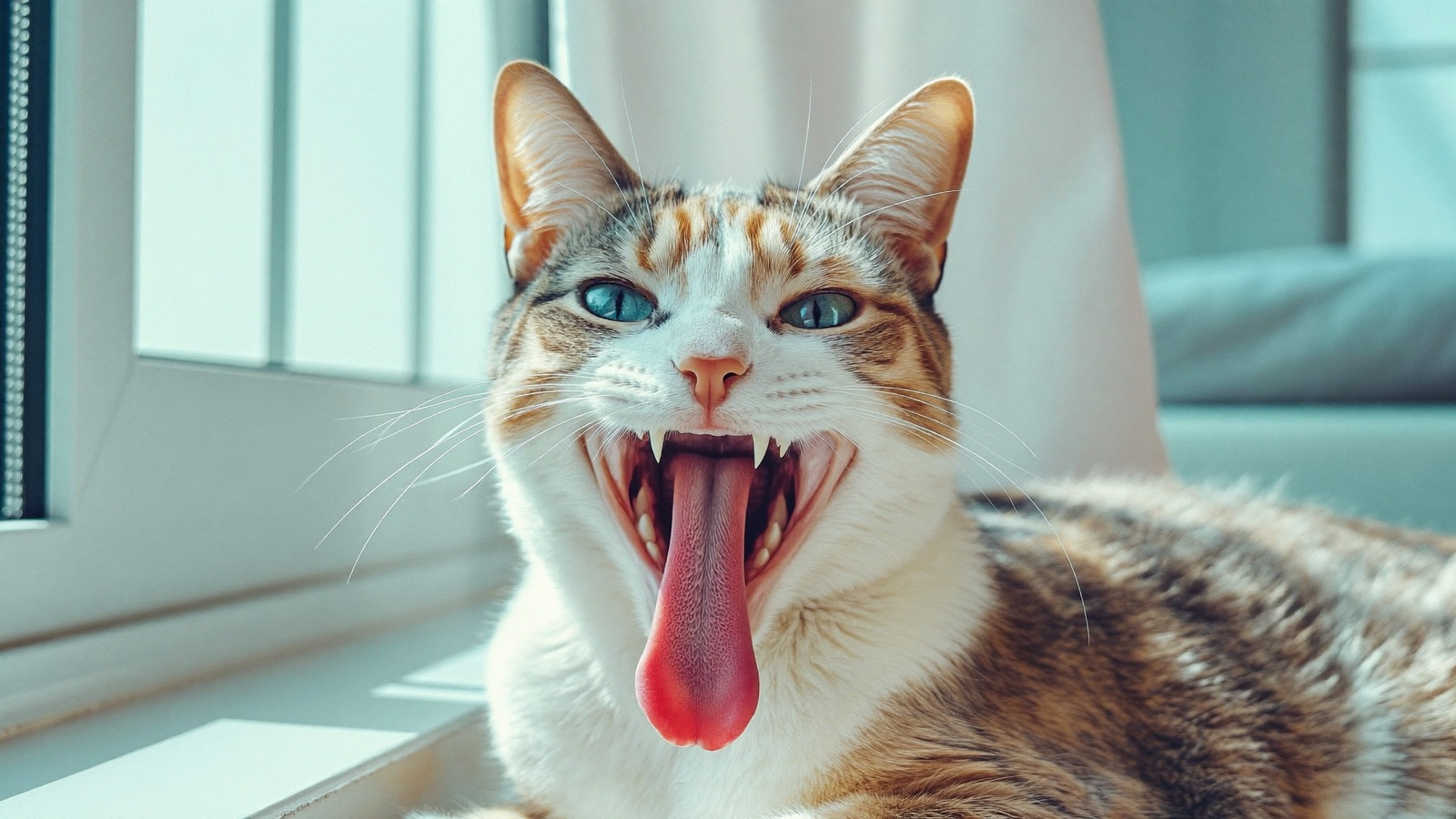
Cats are experts at hiding pain, and nowhere is that clearer than in their mouths. A cat with genuinely sore teeth will often keep eating and act more or less normal — which is why dental disease is both extremely common and easy to miss. The good news is that it's very treatable, and much of it is preventable with routine care.
How common — and why it matters
More than half of all cats over the age of three have some form of dental disease, and gum inflammation is found in the great majority of cats at some point. It begins with plaque — a bacterial film that mineralises into tartar within a day or two — driving inflammation that, untreated, destroys the gum, ligament and bone supporting each tooth. The result is pain, infection and eventually tooth loss.
Signs of dental disease in cats
Because cats mask discomfort, the signs are often subtle. Any of these is worth a vet check:
- Bad breath — usually the first thing owners notice.
- Drooling, sometimes tinged with blood.
- Dropping food, chewing on one side, or eating more slowly.
- Preferring wet food or turning away from dry kibble.
- Pawing at the mouth, head shaking or jaw chattering.
- Red or bleeding gums, especially a red line along the gumline.
- Reduced appetite and weight loss as eating becomes uncomfortable.
The stages of feline dental disease
Like dogs, cats' periodontal disease is graded by how much tooth-supporting attachment has been lost, confirmed with dental X-rays. Only the earliest stage is reversible, which is why catching gingivitis early is so valuable.
| Stage | Name | What's happening |
|---|---|---|
| Stage 1 | Gingivitis | Plaque-driven gum inflammation with no attachment loss. Reversible with treatment. |
| Stage 2 | Early periodontitis | Under 25% of the tooth's attachment lost. |
| Stage 3 | Moderate periodontitis | 25–50% attachment loss; gum recession and pockets. |
| Stage 4 | Advanced periodontitis | Over 50% attachment loss; deep pockets, loose or lost teeth. |
Tooth resorption: a painful problem unique to how common it is
One of the most common — and most painful — dental problems in cats is tooth resorption (also called resorptive lesions or FORLs). The body's own cells begin breaking down a tooth's hard tissue, usually starting at the root and working into the crown. Estimates vary, but it affects a large share of adult cats (studies range roughly from a quarter to two-thirds).
These lesions are genuinely painful once they reach the sensitive inner tooth, and they can't be "filled" like a human cavity — extraction of the affected tooth is typically the only humane treatment. They're often invisible without dental X-rays, which is one more reason a proper cleaning includes imaging.
Home care (and honest expectations)
Daily brushing with a pet-safe, non-foaming toothpaste is the most effective home care — but let's be honest, cats are harder to brush than dogs. The trick is to start slowly, ideally while young, and make it rewarding rather than a wrestling match.
- Let them taste the paste off your finger for several days first, so it becomes a treat.
- Get them used to mouth contact by gently rubbing a finger along the gumline.
- Introduce a finger brush or small pet toothbrush, brushing just a tooth or two along the outer gumline, then reward and stop.
- Build up gradually and keep every session short and calm.
If brushing simply isn't possible, you're not out of options. Look for the VOHC (Veterinary Oral Health Council) Seal of Acceptance on dental diets, water additives, gels and treats made for cats — these are clinically shown to help control plaque or tartar. They support home care but do not replace professional cleanings; many cats still need anaesthetic dentistry.
Professional cleaning under anaesthesia
A veterinary dental cleaning for a cat is done under general anaesthesia, which allows scaling above and below the gumline, polishing, full-mouth dental X-rays, tooth-by-tooth charting, and any needed extractions — all painlessly. The X-rays matter especially for cats, because tooth resorption often hides below the gumline where it can't be seen.
Rough US cost: a base cleaning commonly runs about $300–$700; with bloodwork, X-rays and extractions, $400–$1,300 is common, and advanced disease with multiple extractions can reach $1,500–$2,500 or more. Big-city pricing tends to run higher. (See our cost of owning a cat guide for how dental fits the wider budget.)
If your cat has stopped eating, is drooling heavily, or has an obviously sore, bleeding mouth, don't wait. A cat that won't eat for more than about a day needs prompt veterinary attention regardless of the cause — appetite loss in cats can lead to serious complications quickly.
Keep your cat's dental care on track
Tavi keeps your cat's vet visits, dental cleanings, weight and health notes in one place, with gentle reminders — so brushing stays a habit and the next cleaning doesn't slip past due. Free for your first pet.
Frequently asked questions
What are the signs of dental disease in cats?
Watch for bad breath, drooling (sometimes bloody), dropping food or chewing on one side, pawing at the mouth, jaw chattering, reduced appetite or preferring wet food, red or bleeding gums, and weight loss. Cats hide pain well, so any of these is worth a vet check.
What is gingivitis in cats?
Gingivitis is inflammation of the gums caused by plaque bacteria along the gumline, showing as a red line where gum meets tooth. It's the earliest, reversible stage of dental disease. Left untreated, it can progress to periodontitis, which damages the tooth's supporting structures and leads to tooth loss.
What are tooth resorption or resorptive lesions in cats?
Tooth resorption (also called resorptive lesions or FORLs) is a common, painful condition where the body's own cells break down a tooth's hard tissue, usually starting at the root. It affects a large share of adult cats, and once the tooth is affected, extraction is typically the only humane treatment.
Can I brush my cat's teeth?
Yes, and daily brushing with a pet-safe, non-foaming toothpaste is the most effective home care — but cats are harder to brush than dogs. Start slowly and young if you can, letting your cat taste the paste first. VOHC-accepted dental diets, water additives and gels can help too.
How much does a cat dental cleaning cost?
A base cleaning under anaesthesia commonly runs about $300–$700 in the US. With pre-anaesthetic bloodwork, dental X-rays and extractions, totals of $400–$1,300 are common, and advanced disease with multiple extractions can reach $1,500–$2,500 or more. Big-city pricing tends to run higher.
Is cat dental disease painful?
Yes, often significantly — especially tooth resorption and severe periodontitis. Cats instinctively hide pain, so many keep eating despite real discomfort. Owners frequently notice how much brighter and more comfortable their cat is after dental treatment, which shows how much pain was being masked.
Tavi's guides are informational and not a substitute for professional veterinary advice, diagnosis or treatment. Your veterinarian should examine your cat's mouth and recommend a dental plan — when in doubt, call.
Sources
- VCA Animal Hospitals
- American Veterinary Dental College (AVDC)
- American Veterinary Medical Association (AVMA)
- Cornell Feline Health Center
- Veterinary Oral Health Council (VOHC). Professional-cleaning cost ranges are approximate US estimates