Cat Dementia Signs: Cognitive Dysfunction in Cats
Start here
Feline cognitive dysfunction, or cat dementia, is an age-related brain decline in senior cats. Common signs include loud night-time yowling, disorientation, changed interactions, altered sleep, litter-box lapses and increased anxiety (the DISHAA pattern). It can't be cured, but routine, enrichment, diet and vet care can ease symptoms and improve quality of life — after other conditions are ruled out.
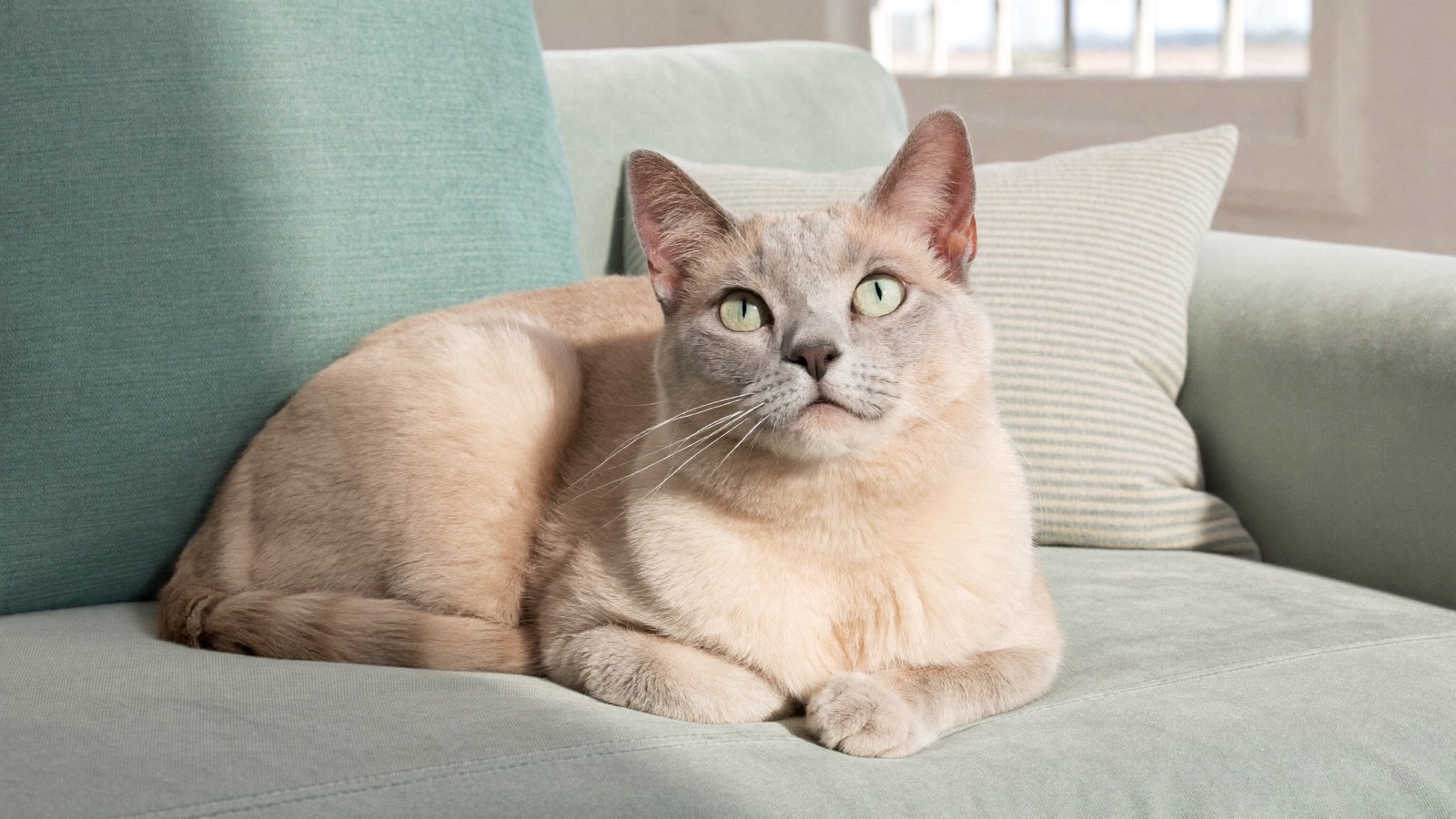
What feline cognitive dysfunction is
Feline cognitive dysfunction (FCD) is a progressive decline in the aging cat's brain, with changes that parallel dementia in people. It becomes more common as cats move into their senior and geriatric years, yet it's often missed — the signs are easy to write off as "just old age," and cats are experts at masking change.
Recognizing FCD matters because early support helps, and because many treatable illnesses look just like it. In older cats especially, conditions such as an overactive thyroid, high blood pressure, kidney disease, pain and vision or hearing loss can all mimic dementia — so a vet check comes first.
The signs to watch for
Vets often use the DISHAA framework. Cats usually show a few of these, and the loud night-time vocalizing is one of the most recognizable:
| Sign | What it looks like in cats |
|---|---|
| Disorientation | Staring at walls, getting "stuck," seeming lost in familiar rooms, trouble navigating |
| Interactions | Less interest in affection, or new clinginess or irritability |
| Sleep-wake changes | Loud yowling at night, restlessness, sleeping more by day |
| House-soiling | Missing or avoiding the litter box, forgetting its location |
| Activity changes | Aimless wandering, pacing, repetitive behaviors, less grooming or play |
| Anxiety | New fearfulness, agitation or clingy, needy behavior |
Loud, mournful night yowling is one of the most common reasons owners seek help — and one of the more distressing signs to live with.
Getting a diagnosis
There's no single test for cat dementia. It's diagnosed by recognizing the pattern of signs and ruling out the many conditions that mimic it. Your vet will do a thorough exam, check blood pressure, and run bloodwork and urine tests, because in senior cats these often reveal a treatable cause:
- Hyperthyroidism — a very common cause of night yowling, restlessness and weight loss; see hyperthyroidism in cats.
- High blood pressure and kidney disease — both frequent in older cats and both behavior-changing.
- Pain (often arthritis), and vision or hearing loss.
A log of specific behaviors — the yowling times, litter-box misses, moments of confusion — makes the vet visit far more productive than trying to remember it all.
Treatment and daily management
FCD can't be reversed, but many cats do noticeably better with a supportive plan:
- Routine and predictability: consistent feeding, play and quiet times reduce confusion and anxiety.
- An easy environment: night-lights, extra litter boxes with low sides, easy access to food, water and favorite resting spots, and keeping furniture in place.
- Diet and supplements: antioxidant-rich diets and supplements (such as omega-3s and others your vet suggests) may support brain health.
- Gentle enrichment: short play sessions, food puzzles and attention keep the mind engaged.
- Medication: your vet may suggest anti-anxiety support or other options for specific symptoms like night waking.
Practical take: comfort and routine do the heavy lifting. Small environmental tweaks often bring the biggest day-to-day relief for a confused senior cat.
Living well with a cat who has dementia
Caring for a cat with FCD is about steady comfort. Keep the environment calm and safe, respond gently to night yowling rather than with frustration, and make daily needs easy to reach. As the disease progresses, quality of life becomes the central question — our quality-of-life scale for pets can help you weigh it objectively over time.
Because FCD progresses gradually and fluctuates day to day, tracking symptoms, sleep and response to any treatment over weeks and months is the clearest way to see whether a plan is helping — and to have honest, informed conversations with your vet.
Track your senior cat's cognitive changes over time
Tavi lets you log night yowling, confusion, litter-box changes and how your cat responds to treatment, then charts them over time — so you can tell whether a plan is helping and give your vet a real history. Free for your first pet.
Frequently asked questions
What are the signs of dementia in cats?
Common signs include loud night-time yowling, disorientation and getting lost in familiar rooms, changes in how your cat interacts with you, disrupted sleep, litter-box lapses, and new anxiety. Vets group these under the DISHAA framework. Cats usually show a few of them, and they tend to creep in slowly.
Why does my old cat yowl at night?
Night yowling is a classic sign of feline cognitive dysfunction, but it's also caused by treatable conditions common in senior cats, especially hyperthyroidism, high blood pressure and kidney disease. Because of that overlap, a vet exam with bloodwork and a blood-pressure check should come before assuming it's dementia.
How is cat dementia diagnosed?
There's no single test. Vets diagnose it by recognizing the pattern of signs and ruling out conditions that mimic it, such as hyperthyroidism, high blood pressure, kidney disease, pain and sensory loss. A physical exam, blood pressure check, bloodwork and urine tests are typical. A log of specific behaviors makes diagnosis more accurate.
Can cat dementia be treated?
It can't be cured, but a stable routine, an easy and safe environment, brain-supportive diet and supplements, gentle enrichment, and sometimes medication can ease symptoms and improve quality of life. Environmental tweaks like night-lights and easy-access litter boxes often bring the most day-to-day relief.
At what age do cats get dementia?
Feline cognitive dysfunction becomes more common as cats enter their senior years and rises further into the geriatric years. Not every old cat develops it, and many signs overlap with other age-related illnesses, so any behavior change in an older cat is worth a veterinary check rather than assuming it's simply age.
Tavi's guides are informational and not a substitute for professional veterinary advice, diagnosis or treatment. When in doubt, call your veterinarian.