Subtle Signs a Cat Is Sick: 12 Early Warning Signs
Start here
Cats are built to hide illness, so the earliest sign is rarely dramatic — it's a small change from their normal: eating a little less, drinking more, losing a few ounces, or hiding. Watch appetite, weight, thirst and litter-box habits, and see your vet when a pattern shifts.
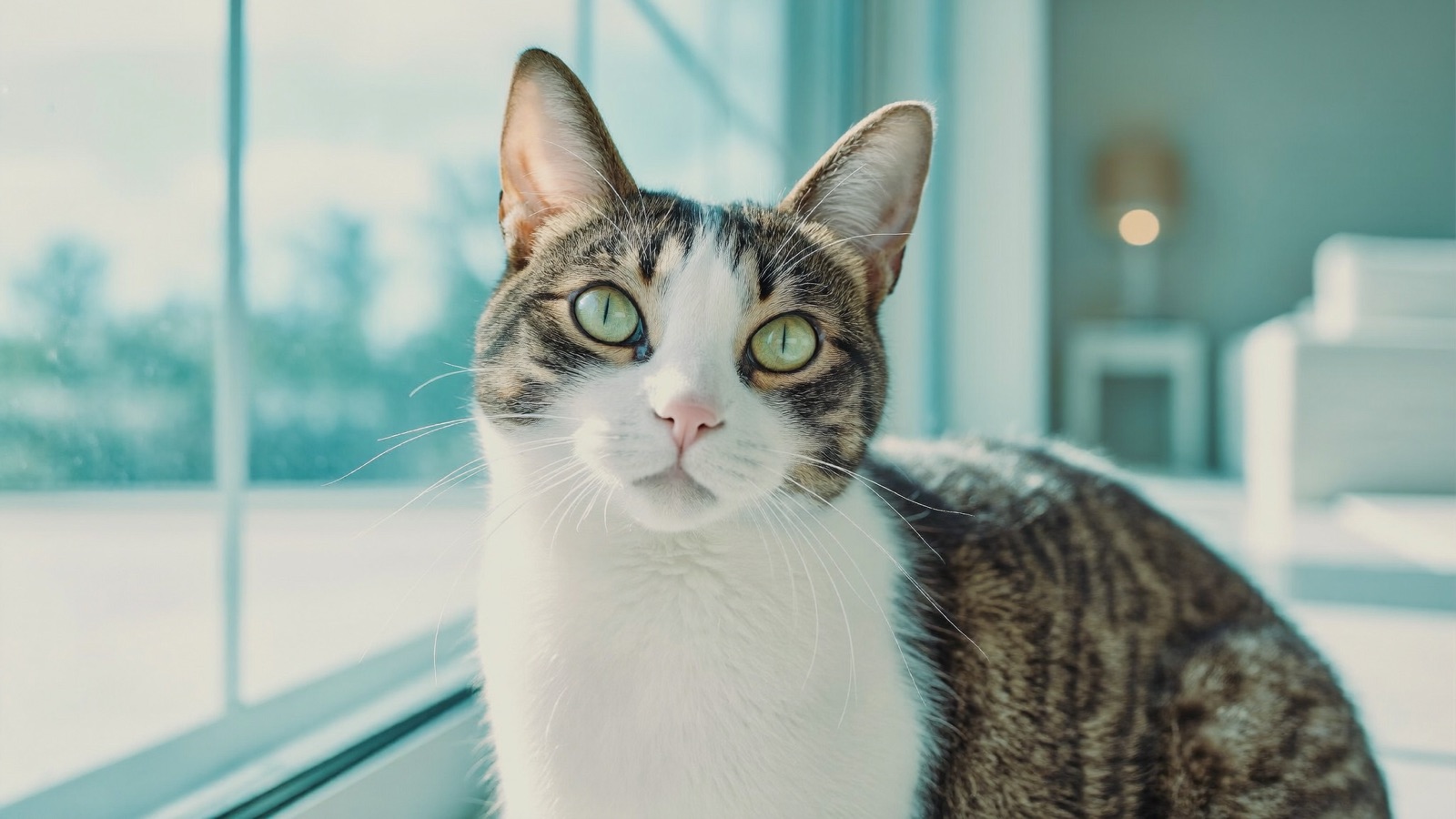
In the wild, a cat that looks weak is a target — so your cat instinctively masks pain and sickness until it's advanced. That's why the owners who catch problems early aren't the ones watching for a crisis. They're the ones who know their cat's baseline and notice when it drifts.
The 12 subtle signs worth watching
- Eating less, or skipping meals. A cat refusing food for more than 24 hours is a real concern — cats can develop a dangerous liver condition (hepatic lipidosis) from not eating. Eating noticeably less over several days matters too.
- Losing weight while still eating normally. One of the most important early signs. It can point to hyperthyroidism, diabetes or kidney disease — and a cat may lose 10–15% of its body weight before you'd notice by eye.
- Drinking or urinating more than usual. Increased thirst is a classic early flag for kidney disease and diabetes, especially in cats over 7.
- Changes in the litter box. Bigger or smaller urine clumps, going more or less often, straining, or any blood — all signal something has changed.
- Hiding or withdrawing more than usual. A social cat that suddenly wants to be alone is often telling you it doesn't feel well.
- Sleeping more, or lower energy. Cats sleep a lot, but a clear increase — or new reluctance to jump, play or climb — is worth noting.
- Grooming less, or over-grooming one spot. A dull, unkempt coat can mean your cat feels too unwell to groom; obsessive licking of one area can signal pain there.
- Bad breath or dropping food. Often dental disease, which is common, painful and easy to miss until your cat chews on one side or refuses hard food.
- Vomiting more than the occasional hairball. Frequent vomiting is not "just a cat thing" and deserves a look.
- Subtle limping or stiffness. Arthritis is very common in older cats and usually shows up as hesitation to jump, not obvious limping.
- Changes in vocalisation. New, frequent or night-time yowling can accompany pain, hyperthyroidism, high blood pressure or cognitive decline.
- Third eyelid showing, squinting, or eye/nose discharge. Visible signs that usually mean it's time for a vet visit.
- Changes in posture or facial expression. A hunched, tucked-up posture, or a tense, squinting face, can be a quiet sign of pain or nausea.
Why a baseline is the whole game
None of the signs above mean much in isolation — they only matter relative to your cat's normal. "Drinking more water" is only useful if you have a sense of how much your cat usually drinks. "Losing weight" is invisible unless you've weighed your cat before.
This is exactly where most owners get caught out: the change is real, but slow, so it blends into daily life until it's advanced. The fix isn't to watch your cat like a hawk — it's to record a few numbers over time so a trend becomes obvious.
The three highest-value things to track:
- Weight, every 2–4 weeks. A steady downward trend is one of the most reliable early warnings.
- Appetite, roughly — are they finishing meals, or leaving food?
- Water and litter-box habits, especially for cats over 7.
When it's an emergency — call now. Some signs mean don't wait and watch. Get to a vet or emergency clinic immediately if you see:
- A male cat straining in the litter box and producing little or no urine — a possible urinary blockage, which can be fatal within hours.
- Laboured, open-mouth or rapid breathing.
- Collapse, severe lethargy, or unresponsiveness.
- Not eating at all for 24+ hours.
- Repeated vomiting, or vomiting with lethargy.
- Suspected poisoning — lilies are deadly to cats even in tiny amounts.
Know your cat's baseline before it matters
Tavi logs your cat's weight, appetite, thirst and vet visits and charts the trend, so a slow change stands out before it becomes a crisis — and you can hand your vet an exact history. Free for your first pet.
Frequently asked questions
How do I know if my cat is sick if they're acting normal?
Cats mask illness, so acting normal doesn't rule it out. Watch for slow changes in weight, appetite, thirst and litter-box habits — these often shift before behaviour does. Tracking a baseline over time is the most reliable way to catch a problem early.
How long can a cat go without eating?
Not eating for more than 24 hours is a real concern, and 48 hours warrants a same-day vet visit. Cats can develop hepatic lipidosis (fatty liver) from even short periods of not eating, especially overweight cats.
My cat is losing weight but still eating — should I worry?
Yes. Weight loss with a normal or increased appetite is a classic early sign of hyperthyroidism or diabetes, especially in older cats. It typically warrants a vet visit and bloodwork.
Why is my cat suddenly drinking so much water?
Increased thirst is an early flag for kidney disease and diabetes, particularly in cats over 7. Note when it started and how much has changed, and see your vet — it's one of the more catchable early signs.
How often should I weigh my cat?
Every 2–4 weeks is plenty to spot a trend. Weigh at home by holding your cat on a scale and subtracting your own weight, or use a baby or kitchen scale for kittens and small cats.
Do cats hide when they are sick?
Often, yes. A social cat that suddenly wants to be alone, hides in unusual places, or withdraws from the household is frequently signalling that it doesn't feel well and deserves a closer look.
Tavi's guides are informational and not a substitute for professional veterinary advice, diagnosis or treatment. Always consult your veterinarian about your cat's health — when in doubt, call.
Sources
- Cornell Feline Health Center
- American Association of Feline Practitioners (AAFP)
- VCA Hospitals, "Recognizing Signs of Illness in Cats"
- Merck Veterinary Manual