Shiba Inu Health Issues & Lifespan
Start here
Shiba Inus are hardy, spirited dogs with a relatively long lifespan of 13-16 years, and they are one of the healthier purebreds. Their most common concerns are allergies and skin issues, joint problems like patellar luxation and hip dysplasia, and eye conditions.
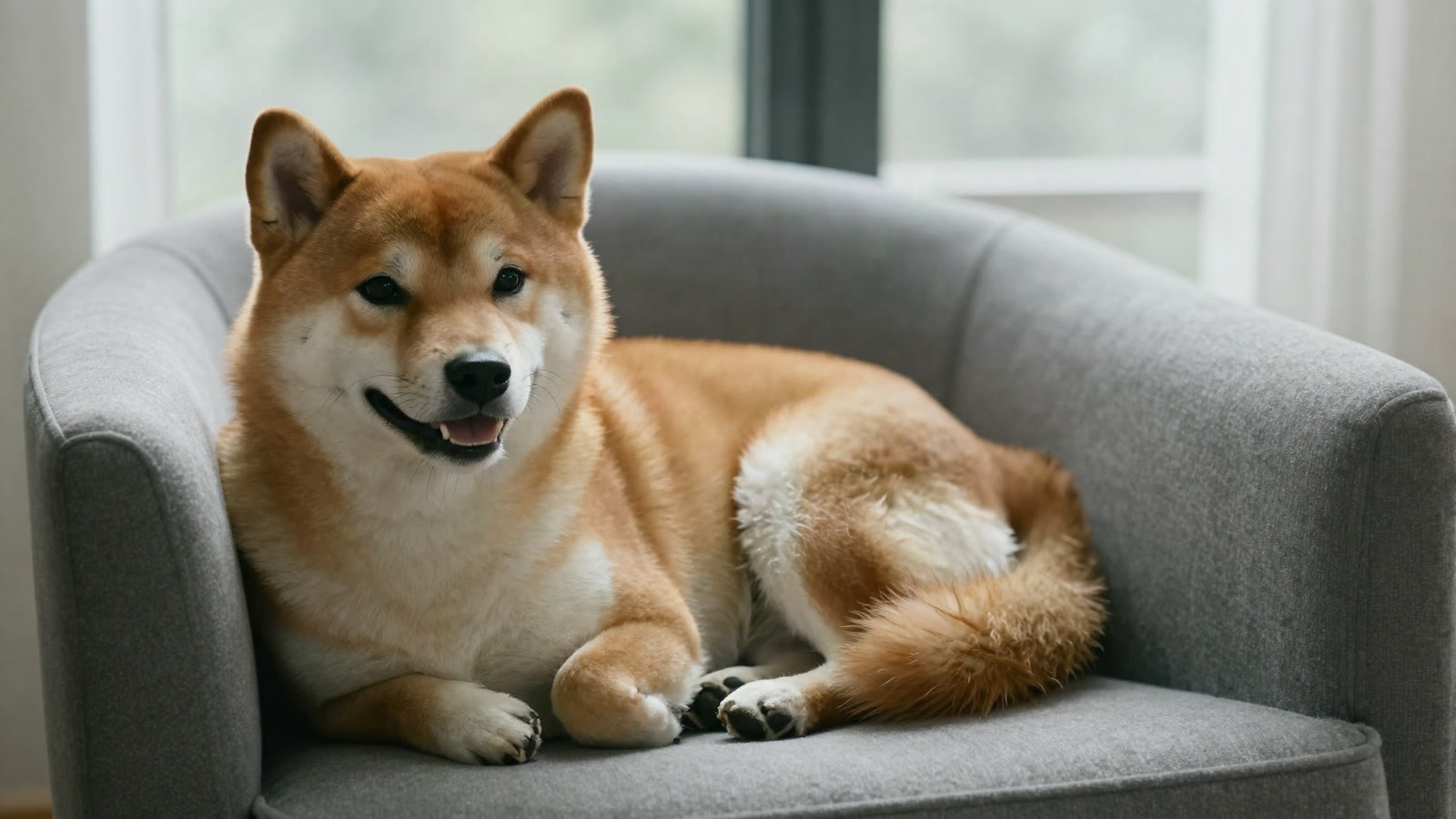
What health problems are Shiba Inus prone to?
Shibas are generally robust, but a few conditions show up more often than others:
- Allergies and atopic dermatitis: itchy skin, ear infections, and paw licking from food or environmental allergies are the most common complaint.
- Patellar luxation: a slipping kneecap causes an intermittent skip in the hind leg.
- Hip dysplasia: a malformed hip joint can lead to arthritis, though it is less common than in larger breeds.
- Eye conditions: glaucoma, cataracts, and progressive retinal atrophy (PRA) can affect vision.
- Hypothyroidism: an underactive thyroid can cause weight gain, lethargy, and coat changes.
- Chylothorax: a rarer condition where fluid builds around the lungs, causing coughing and breathing trouble.
What early signs should Shiba Inu owners watch for?
Shibas are stoic and independent, so subtle changes matter:
- Persistent scratching, licking paws, recurring ear infections, or red skin (allergies)
- A hind-leg hop or skip that comes and goes (patellar luxation)
- Cloudy eyes, redness, bumping into things, or night-vision trouble (eye disease)
- Weight gain, low energy, or a thinning coat (possible hypothyroidism)
- Coughing, rapid breathing, or reduced stamina (possible chest issue)
Because Shibas hide discomfort well, don't ignore small behavior changes. A dog that suddenly resists jumping or slows down deserves a look.
How do you keep a Shiba Inu healthy?
Shibas thrive on consistency, exercise, and good skin care:
- Manage allergies early: work with your vet on food trials or allergy control, and keep ears clean and dry.
- Keep them active and lean: Shibas are athletic and need daily exercise; a lean body protects the knees and hips.
- Screen the eyes: ask about periodic eye exams, especially if you notice cloudiness or vision changes.
- Maintain the coat: regular brushing, especially during heavy seasonal shedding, keeps skin healthy.
- Keep up dental care and routine bloodwork as they age.
Tracking weight and vet visits over time helps breed issues surface as trends. Logging weigh-ins and appointments in Tavi makes it easier to catch, for example, the gradual weight gain and low energy that can point to a thyroid problem.
How long do Shiba Inus live, and when should you see the vet?
Shiba Inus typically live 13 to 16 years, making them one of the longer-lived dog breeds. Good genetics and their moderate size work in their favor.
See your vet for persistent itching or ear infections, recurring lameness, any eye cloudiness or vision change, unexplained weight or energy changes, or breathing difficulty. Annual checkups (twice yearly for seniors) with periodic bloodwork and eye exams help this hardy breed stay healthy into old age.
Frequently asked questions
Are Shiba Inus generally healthy dogs?
Yes, Shiba Inus are considered one of the healthier purebred dogs, with a long lifespan of 13-16 years. Their most common issues are allergies and skin problems, minor joint conditions like patellar luxation, and some inherited eye diseases. Choosing a breeder who screens for hips, knees, and eyes, plus keeping your Shiba lean and active, gives the best odds of a long, healthy life.
Why does my Shiba Inu scratch and lick so much?
Allergies are the most common cause of itching, paw licking, and recurring ear infections in Shibas. Triggers can be environmental (pollen, dust, mold) or food-related. Your vet can help identify the cause through diet trials or allergy testing and recommend treatment. Keeping ears clean and dry and staying on top of flea control also reduces skin flare-ups.
Do Shiba Inus have eye problems?
Some do. Shibas can develop glaucoma, cataracts, and progressive retinal atrophy (PRA), an inherited condition that gradually reduces vision. Watch for cloudiness, redness, bumping into things, or trouble seeing at night, and have any eye changes checked promptly. Periodic eye exams by a veterinary ophthalmologist help catch these conditions early, and responsible breeders screen their dogs.
How much exercise does a Shiba Inu need?
Shibas are athletic and need daily exercise, usually a good walk or two plus active play, to stay physically and mentally healthy. A well-exercised Shiba is less likely to become overweight, which protects the knees and hips. Because they have a strong prey drive and can be escape artists, keep them leashed or in a secure yard during exercise.
Tavi's guides are informational and not a substitute for professional veterinary advice, diagnosis or treatment. When in doubt, call your veterinarian.