Parvo in Dogs: Symptoms, Treatment & Prevention
Start here
Canine parvovirus (parvo) is a highly contagious, potentially fatal virus that attacks a dog's intestines and immune system, hitting unvaccinated puppies hardest. The hallmark signs are severe, often bloody diarrhea, vomiting, lethargy, and loss of appetite. Parvo is a medical emergency — with prompt, intensive veterinary care many dogs survive, and it's almost entirely preventable with vaccination.
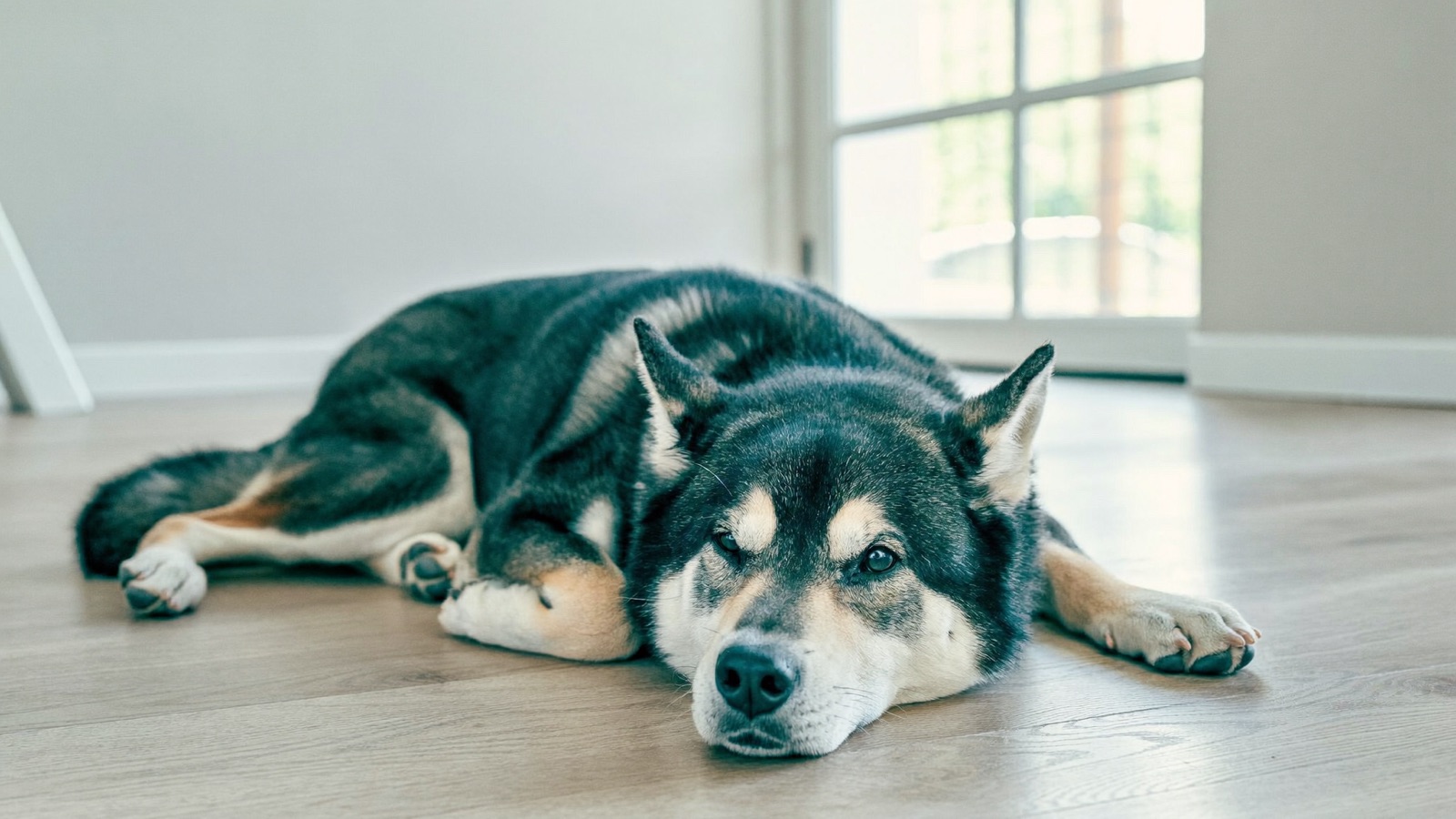
Recognize it and act fast
Parvo is a life-threatening emergency. If your puppy has vomiting and bloody, foul-smelling diarrhea, go to the vet immediately — the same day. Puppies can go from playful to critically ill in 24 to 48 hours, and early treatment saves lives.
Watch especially closely if your dog is a young or unvaccinated puppy. The classic signs are:
- Profuse diarrhea, often bloody and with a distinctive foul smell.
- Repeated vomiting.
- Severe lethargy and weakness.
- Loss of appetite and refusal to eat or drink.
- Fever or, in severe cases, a low temperature.
- Rapid dehydration, which is what makes parvo so dangerous.
How dogs catch parvo
Parvo spreads through contact with infected feces, and the virus is extremely tough — it can survive in the environment, on the ground, on shoes, bowls, bedding and hands, for months and resists many common cleaners. A dog doesn't need direct contact with a sick dog; sniffing a contaminated spot is enough.
Most at risk are puppies between weaning and about 6 months old and any unvaccinated or incompletely vaccinated dog. Certain breeds appear more susceptible, but any unprotected dog can get it. Because the virus lingers, contaminated yards and parks stay infectious long after a sick dog has gone.
Diagnosis and treatment
Vets typically confirm parvo with a quick in-clinic fecal test, often alongside bloodwork. There's no drug that kills the virus — treatment is intensive supportive care to keep the dog alive while its own immune system fights back:
- IV fluids to correct the severe dehydration and electrolyte loss.
- Anti-nausea and anti-vomiting medication.
- Antibiotics to prevent secondary infection, since the gut barrier is compromised.
- Nutritional support and pain management.
- Hospitalization and isolation, often for several days.
With prompt, aggressive hospital care, survival rates are good; without treatment, parvo is frequently fatal. Cost and intensity of care are real considerations, so early diagnosis matters.
Prevention through vaccination
Parvo is one of the great vaccine success stories — it's largely preventable. The parvovirus vaccine is a core vaccine every dog should receive:
| Stage | What to do |
|---|---|
| Puppies | A series of shots, usually starting around 6–8 weeks and repeated every few weeks until about 16 weeks. |
| Boosters | A booster after the puppy series, then periodic boosters as your vet advises. |
| Until fully vaccinated | Avoid dog parks, pet stores, and unknown dogs, and don't let your puppy sniff strange feces. |
Completing the full puppy series is critical — one shot isn't enough, because maternal antibodies can block early doses.
Recovery and cleaning up
Dogs that survive parvo usually recover fully and develop strong immunity, though the gut may need time and a bland, easily digested diet to heal. Reintroduce food gradually as your vet directs.
The virus is stubborn in the environment. Clean contaminated surfaces with a diluted bleach solution (one of the few things that reliably kills it), wash bedding, and keep a recovering dog isolated from other dogs, since it can shed virus for weeks. Keeping a record of your puppy's vaccine dates and any symptoms helps you and your vet confirm protection and catch problems early.
Never lose track of a vaccine date
Tavi keeps your puppy's vaccination schedule, weight and symptoms in one place and reminds you when boosters are due — so parvo protection stays on track. Free for your first pet.
Frequently asked questions
What are the first signs of parvo in dogs?
Early signs include lethargy, loss of appetite, and fever, quickly followed by vomiting and severe, often bloody and foul-smelling diarrhea. Puppies can deteriorate within a day or two, so any of these signs in a young or unvaccinated dog warrant an immediate vet visit.
Can a dog survive parvo?
Yes, many dogs survive with prompt, intensive veterinary care — IV fluids, anti-nausea medication, antibiotics and hospitalization. Survival rates are good when treatment starts early, but untreated parvo is frequently fatal, which is why it's a same-day emergency.
How do dogs catch parvo?
Parvo spreads through contact with infected feces and contaminated surfaces, including ground, shoes, bowls and hands. The virus is extremely hardy and can survive in the environment for months, so a dog can catch it without ever meeting a sick dog.
At what age can puppies get parvo?
Puppies are most vulnerable from weaning until about six months, and especially before they've completed their vaccine series. Maternal antibodies offer some early protection but fade, leaving a window where puppies are highly susceptible until fully vaccinated around 16 weeks.
How can I prevent parvo?
Vaccination is the key. Puppies need the full core vaccine series, usually starting at 6 to 8 weeks and finishing around 16 weeks, followed by boosters. Until your puppy is fully vaccinated, avoid dog parks, pet stores, and contact with unknown or unvaccinated dogs.
Tavi's guides are informational and not a substitute for professional veterinary advice, diagnosis or treatment. When in doubt, call your veterinarian.