Kennel Cough in Dogs: Signs & Treatment
Start here
Kennel cough (canine infectious respiratory disease) is a common, highly contagious infection that causes a sudden, harsh, honking cough, often with a gag or retch at the end. In otherwise healthy adult dogs it's usually mild and clears in one to three weeks, much like a cold. But puppies, seniors, and dogs with other illnesses can develop pneumonia, so severe or lingering coughs need a vet.
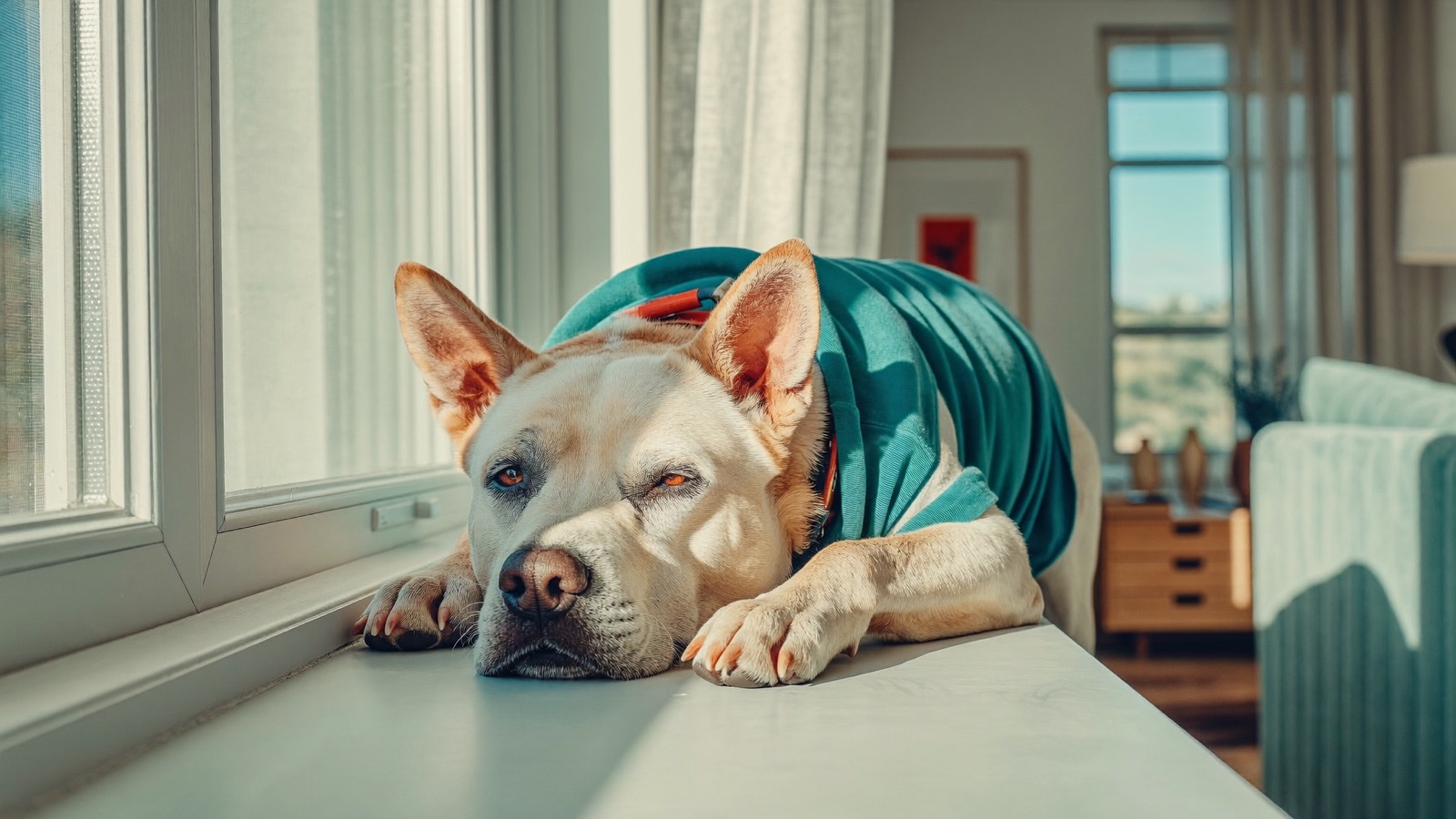
What it looks like — and when to worry
The signature sign is a forceful, dry, honking cough that can sound like something is stuck in the throat, frequently ending in a gag or bringing up foamy phlegm. Most dogs otherwise feel fairly well. Other signs can include mild sneezing, a runny nose, and slight lethargy.
See your vet promptly if your dog has trouble breathing, won't eat, is very lethargic, runs a fever, coughs up blood, or the cough drags on beyond about three weeks. These can signal pneumonia or a more serious cause — urgent in puppies, seniors, and dogs with heart or lung disease.
What causes it and how it spreads
Kennel cough isn't a single germ — it's a syndrome caused by several viruses and bacteria, often in combination. A well-known player is the bacterium Bordetella bronchiseptica, alongside viruses like canine parainfluenza and canine adenovirus.
It spreads easily through the air when dogs cough or sneeze, and through shared bowls, toys, and contaminated surfaces. As the name suggests, it thrives where dogs gather closely:
- Boarding kennels and daycare.
- Grooming salons.
- Dog parks and training classes.
- Shelters and pet stores.
Signs usually appear a few days to about a week after exposure, and a dog can be contagious before it seems sick.
Treatment and home care
In mild cases, kennel cough often resolves on its own like a common cold, with rest and time. Your vet may still recommend care to keep your dog comfortable and prevent complications:
- Rest and reduced activity while recovering.
- Cough suppressants or anti-inflammatories if prescribed.
- Antibiotics when a bacterial cause or secondary infection is suspected.
- A harness instead of a collar to avoid pressure on the irritated windpipe.
- Humidity — a steamy bathroom can soothe the airway.
Practical take: Never give human cough or cold medicine — many contain ingredients toxic to dogs. Always check with your vet first.
Recovery and stopping the spread
Most healthy dogs recover within one to three weeks. Because kennel cough is so contagious, keep a coughing dog away from other dogs during illness and for a while after signs resolve, as your vet advises. Clean shared bowls, bedding and toys, and let boarding or daycare facilities know.
A cough that lingers, worsens, or comes with breathing trouble deserves a re-check — not every cough is kennel cough, and heart disease, collapsing trachea, and other conditions can look similar. Logging when the cough started, how it sounds, and how it changes gives your vet useful detail.
Prevention
Vaccines can reduce the risk and severity of the most common causes:
| Vaccine | Notes |
|---|---|
| Bordetella | Often required by boarding and daycare facilities; available as injection, oral, or nasal spray. |
| Parainfluenza & adenovirus | Typically included in core combination vaccines. |
No vaccine prevents every cause, since so many germs are involved, but they meaningfully lower risk — especially for social dogs. Good ventilation and avoiding overcrowded facilities help too. Keeping your dog's vaccination records current makes boarding stress-free and protection easy to confirm.
Track a cough from start to finish
Tavi lets you log symptoms like coughing, note when they started, and keep vaccine records in one place — so you know when a cough is improving or needs the vet. Free for your first pet.
Frequently asked questions
What does kennel cough sound like?
It's a sudden, harsh, dry, honking cough that can sound like your dog has something stuck in its throat, often ending in a gag or retch that may bring up foamy phlegm. Most dogs otherwise seem to feel fairly normal in mild cases.
How long does kennel cough last?
In healthy adult dogs, kennel cough usually clears within one to three weeks with rest. Puppies, senior dogs, and those with other health problems can take longer or develop complications like pneumonia, so a cough lasting beyond three weeks should be re-checked by a vet.
Is kennel cough contagious to other dogs?
Yes, it's highly contagious and spreads through the air and via shared bowls, toys and surfaces, especially where dogs gather. Keep a coughing dog away from other dogs during illness and for a period after signs resolve, and clean shared items thoroughly.
Can I give my dog human cough medicine for kennel cough?
No. Many human cough and cold medicines contain ingredients that are toxic to dogs. Never medicate your dog without veterinary guidance — your vet can recommend a safe cough suppressant or other treatment if one is needed.
Does the kennel cough vaccine work?
The Bordetella and related vaccines reduce the risk and severity of the most common causes, which is why many boarding and daycare facilities require them. Because so many germs can cause kennel cough, no vaccine prevents every case, but they meaningfully lower the risk.
Tavi's guides are informational and not a substitute for professional veterinary advice, diagnosis or treatment. When in doubt, call your veterinarian.