High Blood Pressure (Hypertension) in Cats
Start here
High blood pressure (hypertension) is common in older cats and dangerous because it's often silent until it damages organs. It's usually secondary to another disease — most often chronic kidney disease or hyperthyroidism. The most feared consequence is sudden blindness from bleeding or detachment in the eye. It's diagnosed with a blood-pressure reading and treated effectively with daily medication.
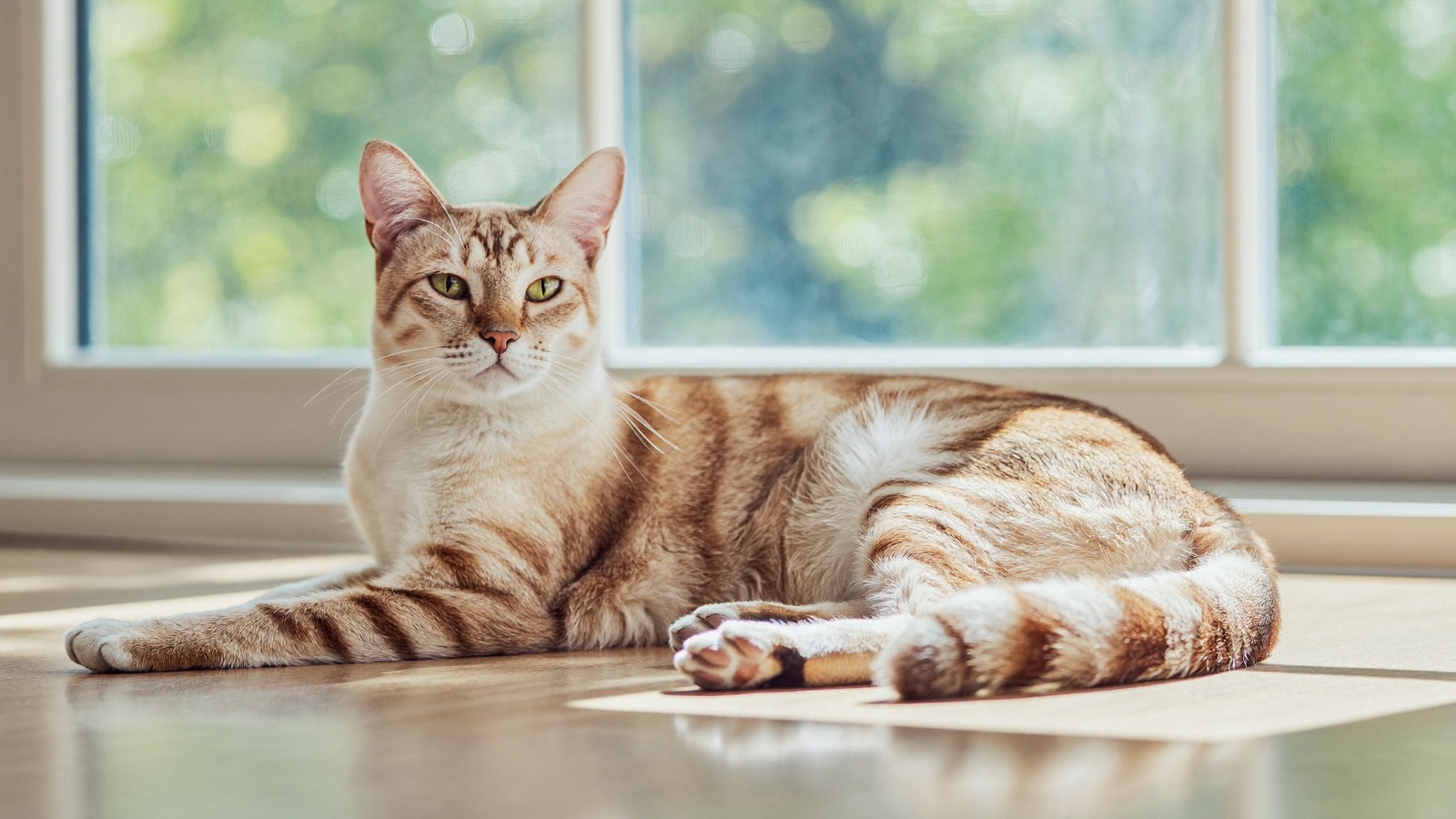
Why it matters — the sudden-blindness risk
Sudden blindness can be the first sign of hypertension in a cat — and it's a medical urgency. If your cat suddenly bumps into things, has widely dilated pupils that don't respond to light, or shows bleeding in the eye, see a vet right away. If high blood pressure is caught and treated fast enough, some vision loss can be reversed.
The tragedy of feline hypertension is that many cats show no symptoms at all until an organ is already harmed. That's why vets increasingly recommend routine blood-pressure checks for senior cats and any cat with kidney or thyroid disease.
What causes it
Unlike in people, hypertension in cats is usually secondary — a consequence of another illness rather than a standalone condition. The most common underlying causes are:
- Chronic kidney disease — the leading association; the two feed into each other.
- Hyperthyroidism — an overactive thyroid, common in older cats.
- Diabetes and certain hormonal disorders, less commonly.
A smaller number of cats have primary hypertension with no identifiable cause. Because it travels with these other diseases, any cat diagnosed with kidney or thyroid disease should have its blood pressure checked. See our guides on kidney disease in cats and hyperthyroidism in cats.
Signs to watch for
Many hypertensive cats look normal, but when signs appear they reflect damage to the eyes, brain, heart and kidneys — the "target organs":
- Sudden blindness or dilated pupils (the most recognized sign)
- Bleeding in the eye or a change in eye appearance
- Disorientation, wobbliness, or seizures in severe cases
- Increased thirst and urination (often from the underlying kidney disease)
- A heart murmur or gallop detected by your vet
Because these signs are subtle or absent, screening is far more reliable than waiting for symptoms.
Diagnosis and treatment
Diagnosis is straightforward but requires the right technique: a cat's blood pressure is measured with a special cuff, ideally in a calm setting and averaged over several readings to avoid the "white-coat effect" of a stressed cat at the vet.
| Step | Purpose |
|---|---|
| Blood-pressure measurement | Confirms hypertension; repeated to avoid stress spikes |
| Eye exam | Checks the retina for damage |
| Bloodwork & urine tests | Finds underlying kidney, thyroid or other disease |
Treatment has two parts: a daily blood-pressure medication (amlodipine is commonly used) and managing the underlying condition. With treatment, blood pressure usually comes under control and further organ damage is prevented. Follow-up recheck readings are needed to fine-tune the dose.
Why tracking helps
Hypertension is managed by numbers over time — blood-pressure readings, weight, and the labs of the underlying disease. A single reading can be thrown off by stress; the trend across visits is what tells the real story. Keeping a record of each blood-pressure result, medication doses and any vision or behavior changes gives your vet the history needed to adjust treatment. If your cat is a senior or has kidney or thyroid disease, logging recheck results also helps ensure blood-pressure screening doesn't slip through the cracks.
Keep your cat's blood-pressure trend in view
Tavi lets you log blood-pressure readings, medications, weight and vet-visit results over time, so a silent rise shows up as a trend and screening never gets missed. Free for your first pet.
Frequently asked questions
What causes high blood pressure in cats?
In cats, hypertension is usually secondary to another disease, most often chronic kidney disease or hyperthyroidism, and sometimes diabetes or hormonal disorders. A smaller number have primary hypertension with no identifiable cause. Because it travels with those conditions, affected cats should have their blood pressure checked regularly.
Can high blood pressure make a cat go blind?
Yes. Hypertension can cause bleeding or retinal detachment in the eye, leading to sudden blindness, and this is sometimes the very first sign owners notice. If treatment starts quickly enough, some vision loss can be reversed, so sudden blindness warrants an immediate vet visit.
How is blood pressure measured in cats?
A vet uses a special cuff, usually on a leg or the tail, in a calm environment, and averages several readings to reduce the effect of stress. Multiple readings matter because an anxious cat at the clinic can show a falsely high result. An eye exam and bloodwork usually accompany the measurement.
Is feline hypertension treatable?
Yes. Daily medication, commonly amlodipine, typically brings blood pressure under control, and treating the underlying disease is equally important. With treatment, further organ damage is usually prevented. Regular recheck readings are needed to adjust the dose over time.
Should my senior cat be screened for high blood pressure?
Many vets recommend routine blood-pressure checks for senior cats and any cat with kidney disease, hyperthyroidism or diabetes, because hypertension is often silent until it damages organs. Screening catches it before signs like blindness appear. Ask your vet about adding it to your cat's regular exams.
Tavi's guides are informational and not a substitute for professional veterinary advice, diagnosis or treatment. When in doubt, call your veterinarian.
Sources
- Cornell University Feline Health Center
- Merck Veterinary Manual
- VCA Animal Hospitals
- International Society of Feline Medicine (ISFM)