How to Clean a Dog's Ears (Step by Step)
Start here
Clean your dog's ears only when they're dirty or waxy — not on a rigid schedule — using a vet-approved liquid ear cleaner and cotton balls, never cotton swabs. Most dogs with healthy, odor-free ears need little or no cleaning. If the ear is red, painful, smelly, or full of discharge, stop and see your vet first — that's an infection, and cleaning over it can make things worse.
How often should you actually clean a dog's ears?
There's no universal schedule. A dog with clean, healthy, upright ears may never need routine cleaning — the ear is largely self-cleaning. Others need help every few weeks. The right frequency depends on your dog, not the calendar.
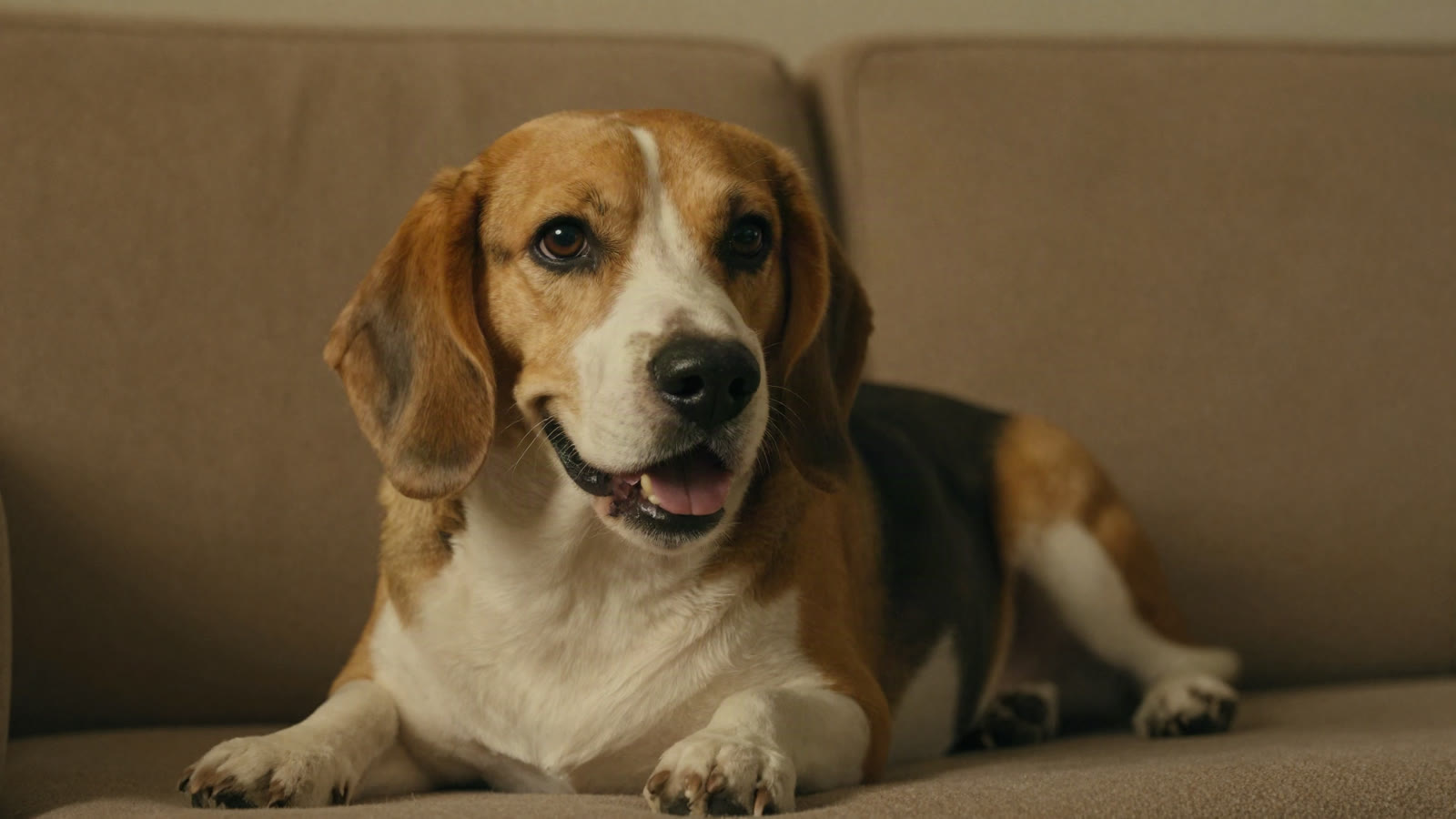
Dogs that tend to need more frequent cleaning include floppy-eared breeds (Cocker Spaniels, Basset Hounds), dogs with lots of ear hair (Poodles, Doodles), swimmers, and dogs with allergies or a history of ear infections. Over-cleaning a healthy ear can strip protective wax and irritate the canal, so let the ear's condition — not habit — be your guide.
Check weekly, clean as needed. A quick sniff and look tells you a lot: a healthy ear is pale pink, barely waxy, and has no strong odor.
What supplies do you need?
- A dog-specific ear cleaning solution — ideally one your vet recommends. Don't use hydrogen peroxide, rubbing alcohol, or vinegar straight in the canal; they sting and can damage tissue.
- Cotton balls or gauze — never cotton swabs (Q-tips), which push debris deeper and can injure the eardrum.
- A towel — dogs shake their heads hard after cleaning, and it gets messy.
- Treats — to keep the experience positive.
Do this somewhere easy to wipe down, like a bathroom or outdoors.
How to clean your dog's ears, step by step
- Settle your dog and gently lift the ear flap to expose the canal.
- Fill the canal with cleaner. Squeeze the vet-approved solution into the ear until it's nearly full. Don't let the bottle tip touch the ear to avoid contamination.
- Massage the base of the ear for 20–30 seconds. You'll hear a squishing sound — that means the solution is loosening wax and debris deep in the canal.
- Let your dog shake. This brings debris up out of the canal. Stand back.
- Wipe away the loosened gunk with a cotton ball, cleaning only the parts you can easily see and reach. Never dig deep.
- Reward and repeat on the other ear if needed.
Stop immediately if your dog cries out or the ear looks raw — that suggests pain or infection that needs a vet.
When to skip cleaning and call the vet instead
Cleaning is for maintenance, not treatment. See your vet before cleaning if you notice a strong or yeasty odor, redness or swelling, brown/yellow/bloody discharge, head shaking or tilting, scratching, or signs of pain when you touch the ear. These point to an infection, ear mites, or a foreign object — problems that need diagnosis and often medication.
A vet can also look at the eardrum to make sure it's intact; some cleaners and medications are unsafe if it's ruptured.
Keeping ears healthy between cleanings
Dry the ears gently after baths and swims — trapped moisture is the number-one setup for infection. Keep excess hair around the canal trimmed if your breed grows a lot. And treat the root cause: recurring ear trouble is very often driven by allergies, so managing those with your vet prevents the cycle.
Tavi tip: If your dog is prone to ear issues, log each cleaning and any redness or odor in Tavi. Over time the pattern shows up as a trend — handy to show your vet — and you can set a gentle reminder to check the ears weekly.
Frequently asked questions
Can I use hydrogen peroxide to clean my dog's ears?
It's best avoided. Hydrogen peroxide can irritate the delicate lining of the ear canal and leave behind moisture that encourages infection. Use a proper dog ear cleaner formulated to break down wax and dry the canal, ideally one your veterinarian recommends for your dog.
Why does my dog's ear smell bad after cleaning?
A lingering yeasty or foul smell usually means an infection is present, not just dirt. Cleaning won't fix an active infection. If the odor persists, or the ear is red, painful, or discharging, see your vet — your dog likely needs medicated treatment.
How far into the ear should I clean?
Only clean the visible part of the ear and the opening of the canal with a cotton ball. Never insert cotton swabs deep into the canal — you can pack debris against the eardrum or injure it. The ear cleaner and your dog's head shake do the deep work.
My dog hates having his ears cleaned — what can I do?
Go slow and pair it with treats. Start by just touching the ears and rewarding, then work up to holding the flap, then cleaning. Keep sessions short. If your dog is genuinely in pain when you touch the ear, stop — that's a sign to see the vet.
Tavi's guides are informational and not a substitute for professional veterinary advice, diagnosis or treatment. When in doubt, call your veterinarian.