Homemade Dog Ear Cleaner: Safe or Not?
Start here
Most homemade dog ear cleaner recipes are not recommended — a vet-formulated commercial cleaner is safer, better at drying the canal, and won't sting. Popular DIY ingredients like hydrogen peroxide, rubbing alcohol, and vinegar can irritate or damage the ear canal, and none should ever go into an ear that's red, painful, or possibly has a ruptured eardrum. When in doubt, ask your vet.
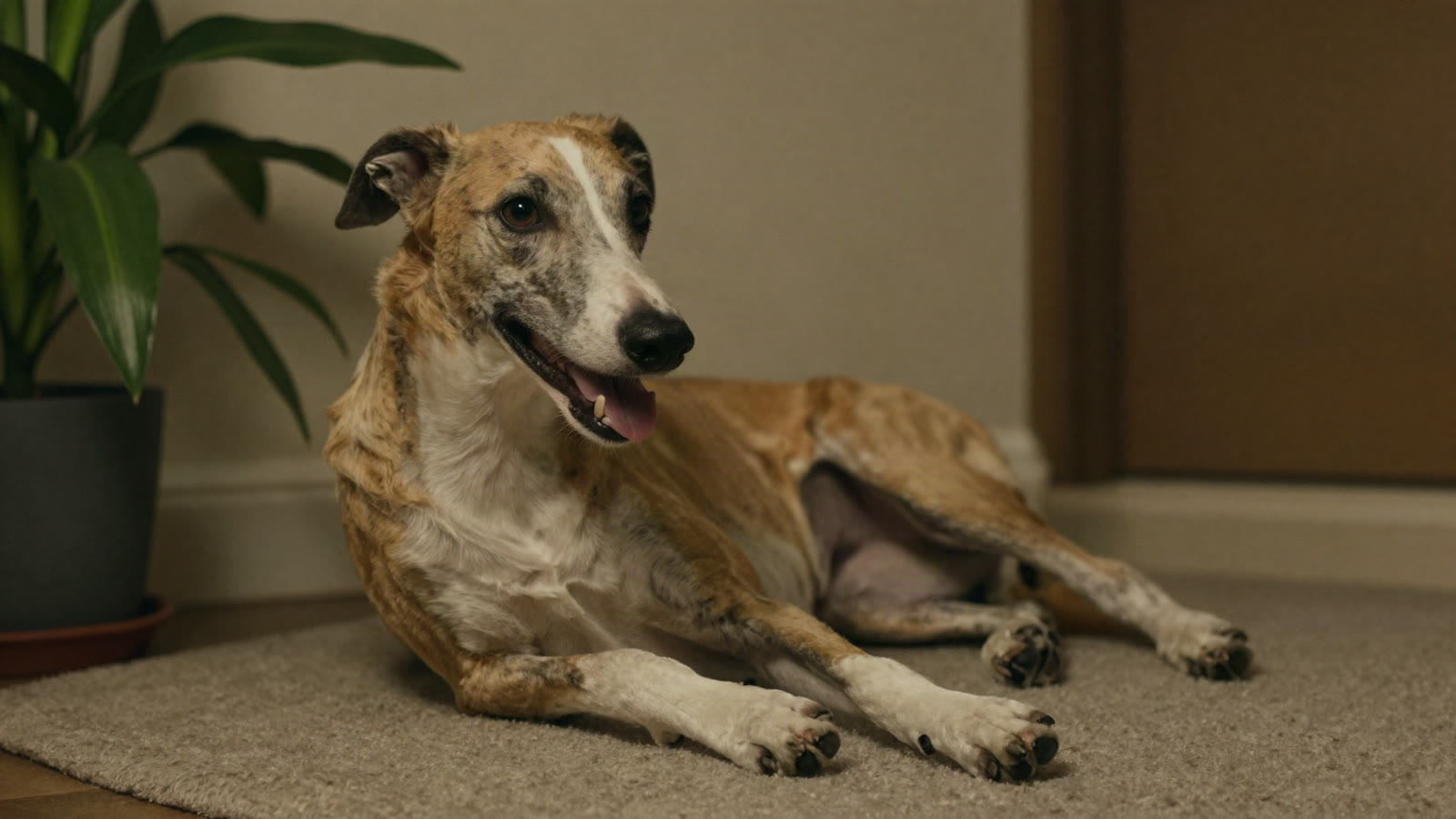
Why homemade ear cleaners are risky
The ear canal is delicate, and the eardrum can be perforated by infection without you knowing. Many home ingredients are irritating or outright harmful in that setting, and homemade mixes lack the drying agents that good commercial cleaners use to prevent the moist environment infections love.
Commercial cleaners are also pH-balanced for the ear and tested for safety. A DIY solution is a guess by comparison — and a stinging, poorly drying one at that.
Ingredients to avoid
- Hydrogen peroxide: irritates the sensitive canal lining, foams and bubbles uncomfortably, and leaves moisture behind that can worsen infection.
- Rubbing alcohol: stings badly, especially on any inflamed or broken skin, and dries the canal too harshly.
- Undiluted vinegar: acidic and irritating in an already-inflamed ear.
- Essential oils: many are toxic to dogs and have no place in the ear canal.
None of these should go into an ear that is red, swollen, smelly, painful, or discharging — that's an infection for the vet, not a cleaning job.
Is there any DIY option vets accept?
Some veterinarians will suggest a simple, well-diluted solution for routine maintenance in healthy ears — a common example is a mix of equal parts water and white vinegar, or witch hazel, used sparingly. But this should only be done on your vet's specific advice, only in a healthy, intact ear, and never as a treatment.
The safest path is to ask your own vet what they recommend for your dog. Ears prone to infection, in particular, need a proper drying cleaner rather than a kitchen recipe.
When to use a store-bought cleaner instead
Choose a commercial, vet-recommended cleaner if your dog gets ears cleaned regularly, is prone to infections, swims often, or has allergies. These products break down wax, dry the canal, and are formulated to be gentle. Use them with cotton balls — never cotton swabs — and clean only the visible parts of the ear.
If the ear looks or smells infected, skip cleaning entirely and see your vet first.
The bottom line
Homemade ear cleaners are usually more risk than reward. For routine care, a vet-approved commercial cleaner is the safe default; for anything that looks like an infection, medication and a vet exam are what's needed.
Tavi tip: If your dog has recurring ear issues, log each cleaning, product used, and any flare-up in Tavi. Spotting how often problems recur — and what triggers them, like swimming or allergy season — helps you and your vet get ahead of the cycle.
Frequently asked questions
Can I clean my dog's ears with vinegar and water?
Only on your vet's specific advice, and only in a healthy ear with an intact eardrum. A diluted vinegar-water mix is sometimes suggested for routine maintenance, but it stings inflamed skin and shouldn't be used on an infected ear. A vet-formulated cleaner is generally the safer choice.
Is hydrogen peroxide safe for dog ears?
It's best avoided. Hydrogen peroxide irritates the delicate canal lining and leaves moisture behind that can encourage infection. Vets generally recommend a proper drying ear cleaner instead. Never put it in an ear that's red, painful, or possibly has a ruptured eardrum.
What's the safest way to clean my dog's ears at home?
Use a commercial, vet-recommended ear cleaner with cotton balls (never swabs). Fill the canal, massage the base, let your dog shake, then wipe the visible debris. Only clean what you can see, and stop if the ear looks infected or your dog is in pain — see the vet.
Are essential oils good for dog ear infections?
No. Many essential oils are toxic to dogs, and none are an appropriate treatment for an ear infection. Ear infections need proper diagnosis and medication from a vet, because the cause — bacteria, yeast, mites, or allergies — changes the treatment. Don't put oils in the ear canal.
Tavi's guides are informational and not a substitute for professional veterinary advice, diagnosis or treatment. When in doubt, call your veterinarian.