Dog Separation Anxiety: Signs, Causes & How to Help
Start here
Separation anxiety is genuine panic when a dog is left alone, not misbehavior or spite. Signs include persistent barking or howling, destruction focused on exits, house-soiling, drooling, and frantic attempts to escape — all beginning soon after you leave. The core treatment is gradual desensitization to being alone, and moderate to severe cases usually need a vet or veterinary behaviorist, sometimes with medication.
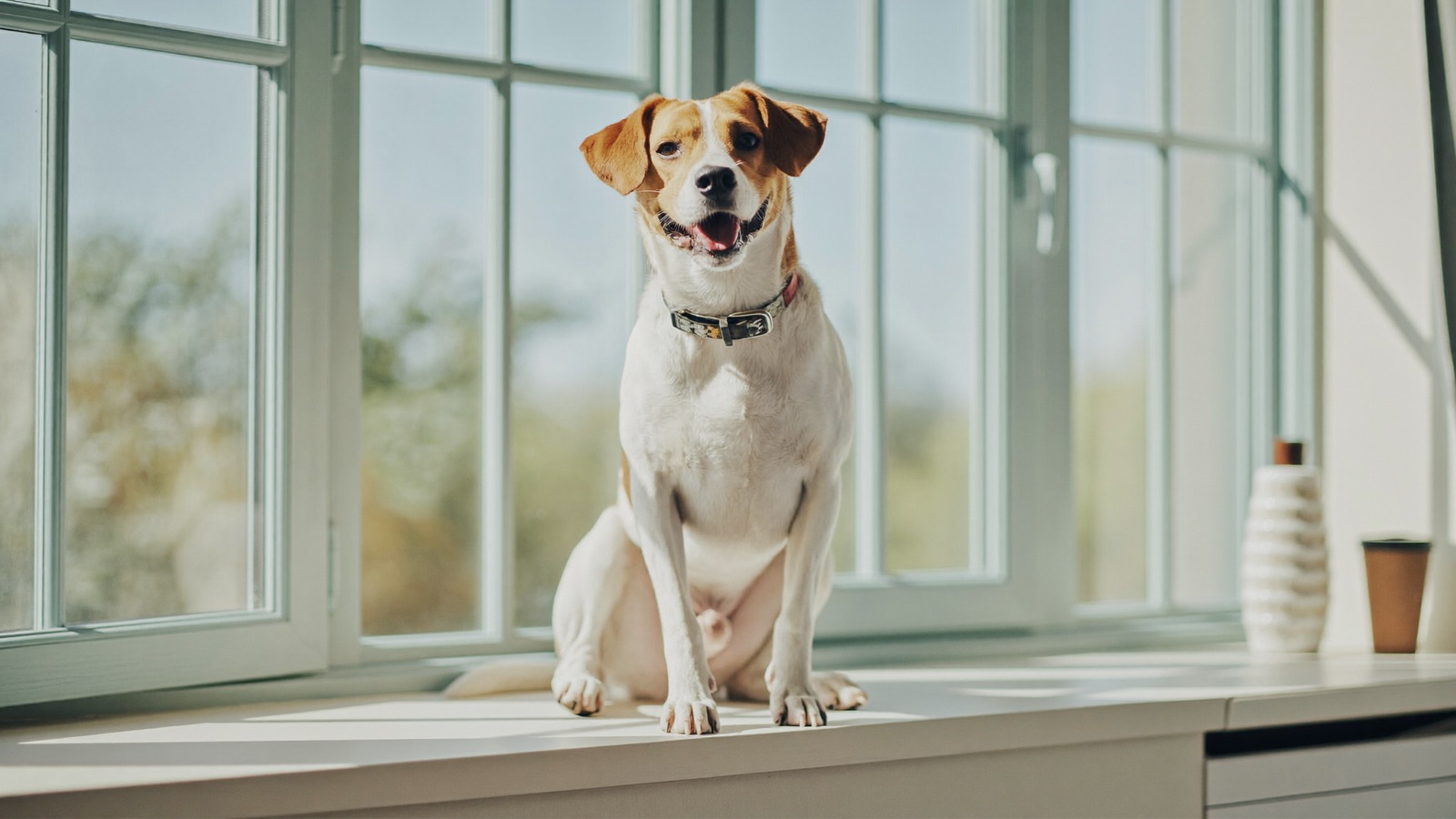
What separation anxiety looks like
Separation anxiety is a panic response, closer to a human panic attack than to naughtiness. The telltale sign is that the behavior is tied to being alone and often starts within minutes of your departure. Common signs include:
- Vocalizing — persistent barking, howling or whining
- Destruction — especially around doors, windows and crates as the dog tries to escape or reach you
- House-soiling in an otherwise house-trained dog
- Pacing, drooling, panting and restlessness
- Escape attempts that can cause injury (broken nails, damaged teeth, cuts)
- Not eating when alone, even a favorite treat
Is it really anxiety — or boredom?
Not every dog that chews the couch has separation anxiety. Boredom, under-exercise, incomplete house-training, or normal puppy behavior can look similar. The way to tell them apart is often to record what the dog does when alone:
| Separation anxiety | Boredom / other causes |
|---|---|
| Distress starts within minutes of leaving | Chewing spread throughout the day |
| Focused on exits and your scent items | Targets random items or toys |
| Panting, drooling, pacing, panic | Relaxed body; dog naps, then plays |
| Won't eat when alone | Happily eats a food puzzle |
A camera pointed at your dog for the first 30 minutes after you leave is one of the most useful diagnostic tools an owner has.
Why it develops
There's rarely a single cause. Separation anxiety can appear after a major change — a move, a new schedule, the loss of a family member or another pet, or a long period of constant companionship followed by a sudden return to alone time. Some dogs are simply more prone to it, including rescues with unsettled histories. It is not caused by "spoiling" a dog, and it is not the dog being spiteful — understanding that helps you respond with patience rather than frustration.
How to help your dog
The goal is to teach your dog, in tiny steps, that being alone is safe and even pleasant:
- Gradual desensitization: practice very short absences the dog can handle without panic — even seconds at first — and slowly build up. Never push to the point of distress.
- Make departures boring: keep hellos and goodbyes low-key rather than emotional.
- Break the pre-leaving cues: pick up keys or put on shoes at random times without leaving, so those cues stop predicting panic.
- Provide enrichment: a food puzzle or long-lasting chew given as you leave can help milder cases.
- Meet exercise and mental needs before alone time.
Practical take: Progress is measured in tiny increments. If a step triggers distress, you've moved too fast — drop back to a duration the dog is calm with and rebuild.
When to get professional help
Moderate to severe separation anxiety needs professional help — don't try to tough it out alone. If your dog injures themselves, panics every time, or the DIY plan isn't working, talk to your vet or a veterinary behaviorist. Medication, combined with a behavior plan, genuinely helps many dogs and is not a failure or a shortcut.
A vet will also want to rule out medical causes for signs like house-soiling. Avoid punishment entirely — it increases anxiety and makes things worse. This is a treatable condition, but the more severe cases need a tailored plan and often more support than an owner can provide alone.
Track triggers and progress
Because treatment is a slow, step-by-step process, keeping a record makes a real difference. Note how long your dog stays calm when alone, what triggers the worst episodes, and how they respond to changes — and if your vet prescribes medication, log doses and effects. Over weeks, that history shows whether the plan is working and gives your vet or behaviorist concrete information instead of vague impressions, which helps them adjust the approach.
Track your dog's progress toward calm
Tavi lets you log alone-time episodes, triggers, medications and how your dog responds over time — so you and your vet or behaviorist can see whether the plan is working and adjust it based on real history. Free for your first pet.
Frequently asked questions
How can I tell if my dog has separation anxiety or is just bored?
The key difference is timing and intensity. Separation anxiety causes panic that starts within minutes of you leaving, focused on exits and your scent items, with panting, drooling and refusing food. Boredom-related chewing is spread throughout the day, targets random items, and the dog otherwise relaxes. A camera recording the first 30 minutes alone usually makes it clear.
Can separation anxiety in dogs be cured?
Many dogs improve significantly with gradual desensitization, environmental changes, and in moderate to severe cases, medication guided by a vet. Some are fully resolved; others are managed to a comfortable level. It takes patience and consistency, and severe cases usually need a veterinary behaviorist's help.
Does getting another dog help with separation anxiety?
Usually not. Separation anxiety is typically about the bond with a person, so a second dog often doesn't resolve it and may develop its own issues. Some dogs are comforted by company, but you shouldn't get another pet primarily as a treatment. Address the anxiety directly with a behavior plan.
Is medication necessary for dog separation anxiety?
Not always, but for moderate to severe cases medication combined with a behavior plan genuinely helps many dogs and is not a failure or a shortcut. It can lower a dog's panic enough to let the training work. Your vet or a veterinary behaviorist can advise whether it's appropriate for your dog.
Should I punish my dog for destruction when left alone?
No. Punishment increases anxiety and makes separation problems worse, and the dog can't connect a delayed correction to what they did earlier anyway. The destruction is a symptom of panic, not defiance. Focus on gradual desensitization and, for serious cases, professional help.
Tavi's guides are informational and not a substitute for professional veterinary advice, diagnosis or treatment. When in doubt, call your veterinarian.