Dog Reverse Sneezing: Is It Dangerous?
Start here
Reverse sneezing is a sudden fit of rapid, snorting inhalations that sounds alarming but is usually harmless. Instead of pushing air out like a normal sneeze, the dog pulls air rapidly in through the nose — often triggered by excitement, irritation, or a tickle in the throat. Episodes last seconds to a couple of minutes and stop on their own. It's worth a vet check if it's frequent, worsening, or paired with nasal discharge or true breathing difficulty.
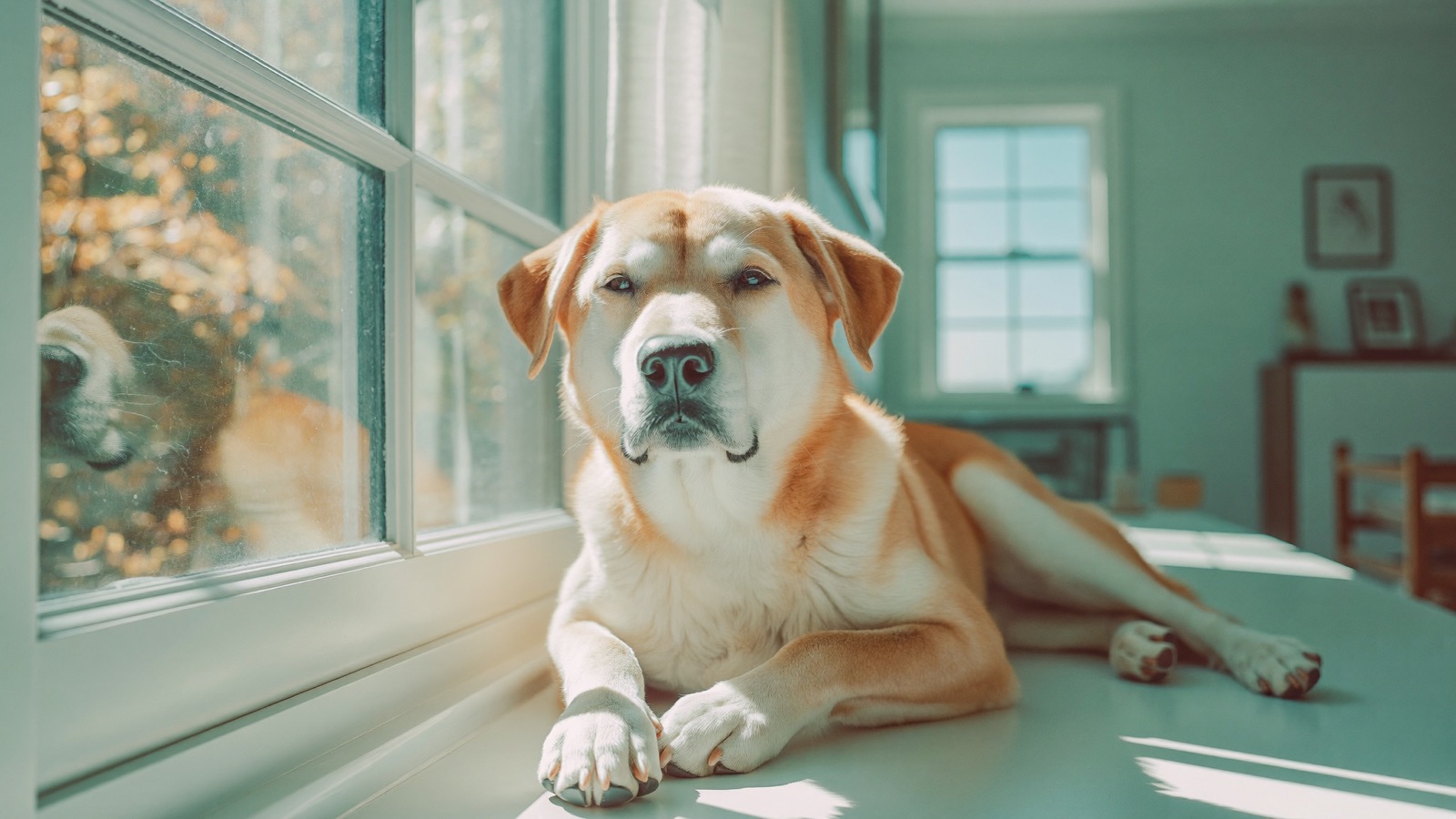
What reverse sneezing looks like
An episode is hard to forget: your dog suddenly stands still, extends its neck, and makes repeated loud snorting, honking or gagging sounds as it rapidly draws air in through the nose. Many owners fear their dog is choking or can't breathe. In reality, the dog is moving air the whole time — it just sounds dramatic.
The medical name is paroxysmal respiratory inspiration. It's caused by a spasm of the soft palate and throat, usually in response to irritation. Small breeds and flat-faced (brachycephalic) breeds do it most, and it becomes more common with age.
How to tell it apart from real trouble
Reverse sneezing is not the same as choking or a breathing emergency. Get urgent help if your dog has: blue, grey or pale gums; genuine collapse or continuous distress that doesn't pass within a couple of minutes; frantic pawing at the mouth with silence (a possible airway blockage); or ongoing labored breathing between episodes.
The reassuring signs of ordinary reverse sneezing are that your dog is completely normal before and immediately after, the gums stay pink, and the fit resolves on its own within seconds to a minute or two. If your dog is fine the moment it ends, it was almost certainly a benign reverse sneeze.
Common triggers
| Trigger | Notes |
|---|---|
| Excitement or eating/drinking fast | Very common; often right after play or a meal. |
| Irritants in the air | Dust, pollen, perfume, smoke, cleaning sprays. |
| Pulling on a collar | Pressure on the throat; a harness can help. |
| Anatomy | Small and flat-faced breeds with elongated soft palates. |
| Allergies or mild nasal irritation | May cluster in certain seasons. |
How to help during an episode
Most episodes end before you can do much, but these gentle tricks can help shorten one:
- Stay calm — your dog takes cues from you, and anxiety can prolong it.
- Gently massage the throat to help relax the spasm.
- Briefly cover the nostrils for a second or lightly blow toward the face, which prompts a swallow that often stops the fit.
- Offer water or a treat once it eases.
Practical take: A quick capture on your phone is genuinely useful. A 15-second video of an episode lets your vet confirm it's reverse sneezing rather than a cough, collapsing trachea, or heart-related breathing pattern — which look and sound different.
When to see the vet
Occasional reverse sneezing in an otherwise healthy dog rarely needs treatment. Book a visit if episodes:
- Become frequent, longer, or clearly worse over time.
- Come with nasal discharge, bleeding, or a persistent cough.
- Are paired with reduced energy, appetite loss, or weight loss.
- Involve real breathing difficulty between fits, or a pawing, distressed dog.
Your vet will rule out other causes such as nasal mites, foreign material (like a grass blade caught behind the palate), infections, allergies, dental disease affecting the nasal passages, or masses. Keeping a simple log of how often episodes happen and what seems to set them off helps your vet decide whether it's benign or worth investigating.
Know whether the episodes are increasing
Tavi lets you log reverse-sneezing episodes, likely triggers and any other symptoms, then charts the frequency over time — so you can tell a harmless quirk from a pattern that's building. Free for your first pet.
Frequently asked questions
Is reverse sneezing in dogs dangerous?
In most cases, no. Reverse sneezing is usually a harmless throat spasm that resolves on its own within seconds to a couple of minutes, and the dog is normal before and after. It only needs attention if it becomes frequent, worsens, or comes with discharge or true breathing trouble.
How can I stop my dog's reverse sneezing episode?
Stay calm and try gently massaging the throat, briefly covering the nostrils for a second, or lightly blowing toward the face to prompt a swallow. Offering water afterward can help. Most episodes end on their own before these tricks are even needed.
How do I know it's reverse sneezing and not choking?
With reverse sneezing, your dog is moving air and is completely normal the instant it ends, with pink gums throughout. Choking or an airway blockage causes ongoing distress, frantic pawing, and can turn the gums blue or grey — that's an emergency requiring immediate help.
What triggers reverse sneezing in dogs?
Common triggers include excitement, eating or drinking quickly, airborne irritants like dust, pollen or smoke, pressure on the throat from a collar, and allergies. Small and flat-faced breeds are especially prone due to their throat anatomy.
When should I worry about reverse sneezing?
See your vet if episodes become frequent, longer or clearly worsening, or if they come with nasal discharge, bleeding, a persistent cough, low energy, or breathing difficulty between episodes. A short video of an episode helps your vet make the diagnosis.
Tavi's guides are informational and not a substitute for professional veterinary advice, diagnosis or treatment. When in doubt, call your veterinarian.