Cat Not Eating but Acting Normal: When to Worry
Start here
A cat that skips one meal but is otherwise bright is usually fine to watch. But because cats hide illness, use the clock, not the mood: no food for 24 hours is a concern, and 48 hours needs a same-day vet visit — cats risk a serious liver condition (hepatic lipidosis) when they stop eating.
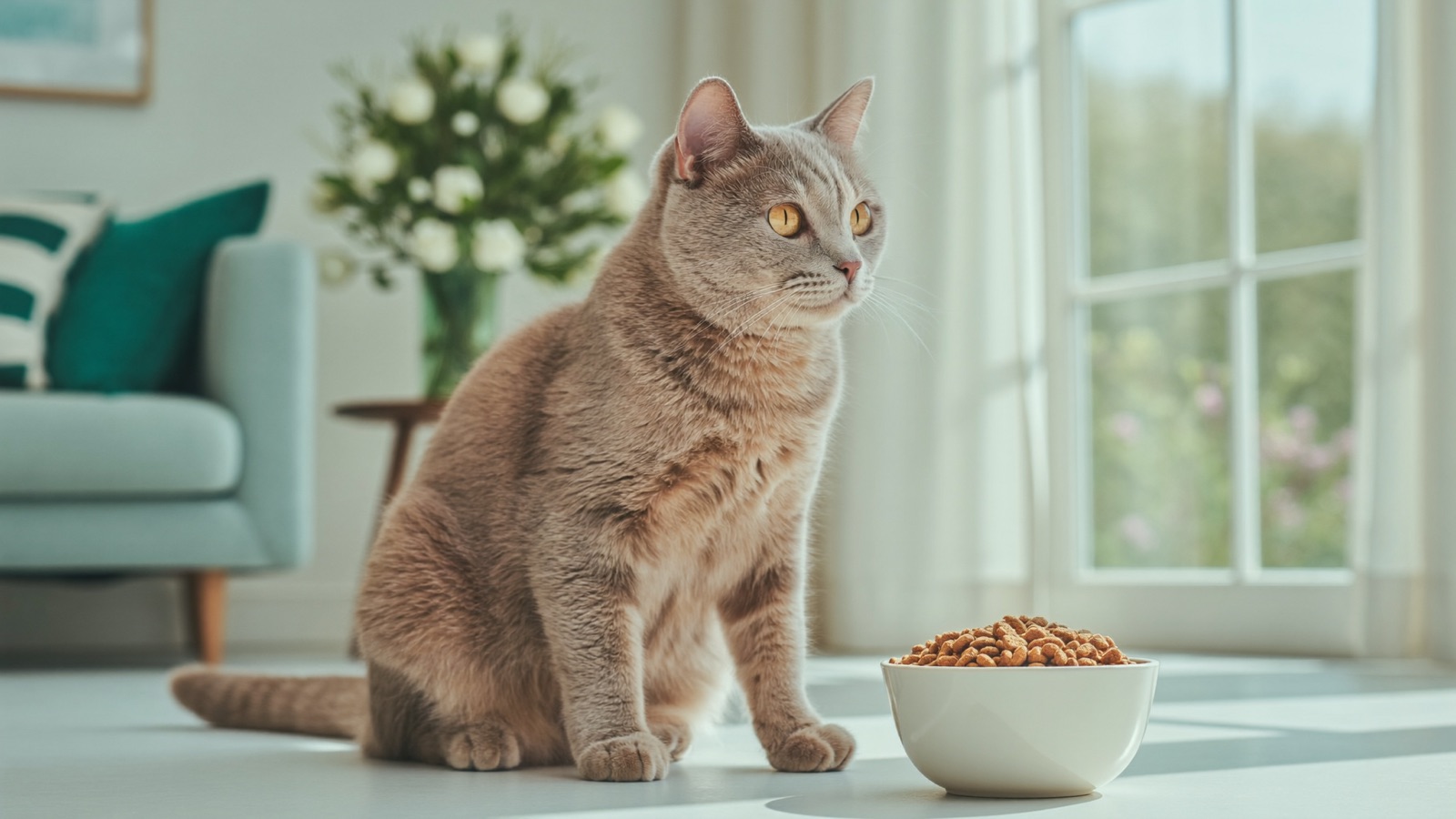
"Acting normal" is reassuring, but with cats it can be misleading. Their instinct is to mask discomfort, so appetite often drops before behaviour changes. That's why the most useful thing you can measure here isn't how your cat seems — it's how long it's been since they genuinely ate, and whether their intake is trending down.
The 24- and 48-hour rule
When a cat stops eating, the body begins mobilising fat for energy. In cats, that fat can overwhelm the liver and cause hepatic lipidosis (fatty liver disease) — a serious, sometimes life-threatening condition that can develop after just a couple of days without adequate food. Overweight cats are especially at risk. This is why cats are far less able to "just skip meals" safely than dogs or people.
| How long has your cat not eaten? | What to do |
|---|---|
| Skipped one meal, otherwise bright | Reasonable to watch. Offer a favourite food, remove stressors, and check again in a few hours. |
| Up to ~12 hours, no other signs | Keep offering food; try warming wet food. Note the time of the last real meal. |
| 24 hours with no food | Call your vet for advice today — this is a genuine concern, even if your cat seems fine. |
| 48 hours with no food | Same-day vet visit. Hepatic lipidosis risk rises the longer a cat goes without eating. |
| Any fast + vomiting, lethargy, hiding or jaundice | Treat as urgent — see a vet or emergency clinic now, regardless of hours. |
| Kitten, diabetic cat, or known illness not eating | Call sooner — these cats have less reserve and need earlier care. |
Common benign causes
Plenty of appetite dips are minor and resolve within a day:
- Stress or change: a house move, new pet or person, rearranged furniture, or a change in routine.
- Food issues: a new flavour or brand, food that's gone stale, served too cold, or a bowl that's dirty or in a busy spot.
- Recent treats or hunting: a cat that's had extra snacks — or caught something — may simply be full.
- Heat or mild tummy upset: hot weather and the odd off-day can briefly curb appetite.
- After vaccines or travel: a short, self-limiting dip in the day or two afterward.
More concerning causes
Loss of appetite is also one of the most common signs of genuine illness in cats. Possibilities your vet will consider include:
- Dental or mouth pain — very common, and easy to miss until a cat chews on one side or drops food.
- Nausea from kidney disease, hyperthyroidism or GI problems.
- A urinary blockage (especially male cats) — a true emergency, see the box below.
- Foreign body or obstruction — string, hair ties and small toys are classic culprits.
- Infection, pancreatitis, or pain anywhere in the body.
What to try at home (while the clock is short)
- Gently warm wet food to body temperature to release its aroma — smell drives a cat's appetite.
- Offer a strong-smelling favourite, or a small amount of a plain, cat-safe topper.
- Try hand-feeding, and move the bowl somewhere quiet, away from other pets and the litter box.
- Make sure fresh water is available and the bowl is clean.
- Note the exact time of the last real meal so you know where you are on the clock.
Go to a vet now if your cat is not eating and also:
- Straining in the litter box with little or no urine (possible urinary blockage — fatal within hours, especially male cats).
- Vomiting repeatedly, or vomiting with lethargy.
- Hiding, collapsed, weak, or breathing with an open mouth.
- Yellow tint to the gums, eyes or skin (jaundice).
- A known diabetic, a kitten, or you suspect poisoning (lilies are deadly to cats).
Catch an appetite drop before it becomes a fast
Tavi lets you log meals and weight and see the trend, so a quiet decline in how much your cat eats is obvious early — and you arrive at the vet with an exact timeline instead of a guess. Free for your first pet.
Frequently asked questions
How long can a cat safely go without eating?
Not eating for more than 24 hours is a real concern, and 48 hours warrants a same-day vet visit. Cats can develop hepatic lipidosis (fatty liver) from even short periods of not eating, and overweight cats are at higher risk.
Why would a cat stop eating but still act normal?
Early on, cats hide how they feel, so a cat can be off its food while still seeming fine. Common benign causes include stress, a new food, heat or a mild upset stomach — but dental pain, nausea and early illness can look the same, which is why time without eating matters more than how your cat is acting.
What can I do to get my cat to eat?
Try gently warming wet food to release the aroma, offering a strong-smelling favourite, hand-feeding, and reducing stress around the bowl. Never force-feed or withhold food to make a cat "hungry". If these don't work within 24 hours, call your vet — and never give human painkillers, which are toxic to cats.
When is a cat not eating an emergency?
Seek care right away if your cat hasn't eaten at all for 24 or more hours, is also vomiting, lethargic, hiding, straining in the litter box, breathing oddly, jaundiced, or you suspect poisoning. Kittens and diabetic cats need care sooner.
Can stress cause a cat to stop eating?
Yes. Moving home, a new pet or person, a dirty bowl, or a change in routine can all put a cat off its food for a day. The catch is that a stress-related fast still carries hepatic lipidosis risk, so the same 24- to 48-hour limits apply.
My cat is eating less but not nothing — should I worry?
A partial appetite is less urgent than a full fast, but a clear, sustained drop over a few days still deserves a vet check, especially if it comes with weight loss. Tracking how much your cat actually eats makes a subtle decline obvious.
Tavi's guides are informational and not a substitute for professional veterinary advice, diagnosis or treatment. If your cat has not eaten for 24 hours or more, or you're worried, contact your veterinarian — when in doubt, call.