Cat Losing Weight but Still Eating: 6 Causes
Start here
A cat that's losing weight while eating well is a genuine red flag — it usually means food isn't being used or absorbed properly. The most common causes are hyperthyroidism, diabetes, intestinal disease and parasites. Most are very treatable when caught early, so it's worth a vet visit and bloodwork rather than waiting.
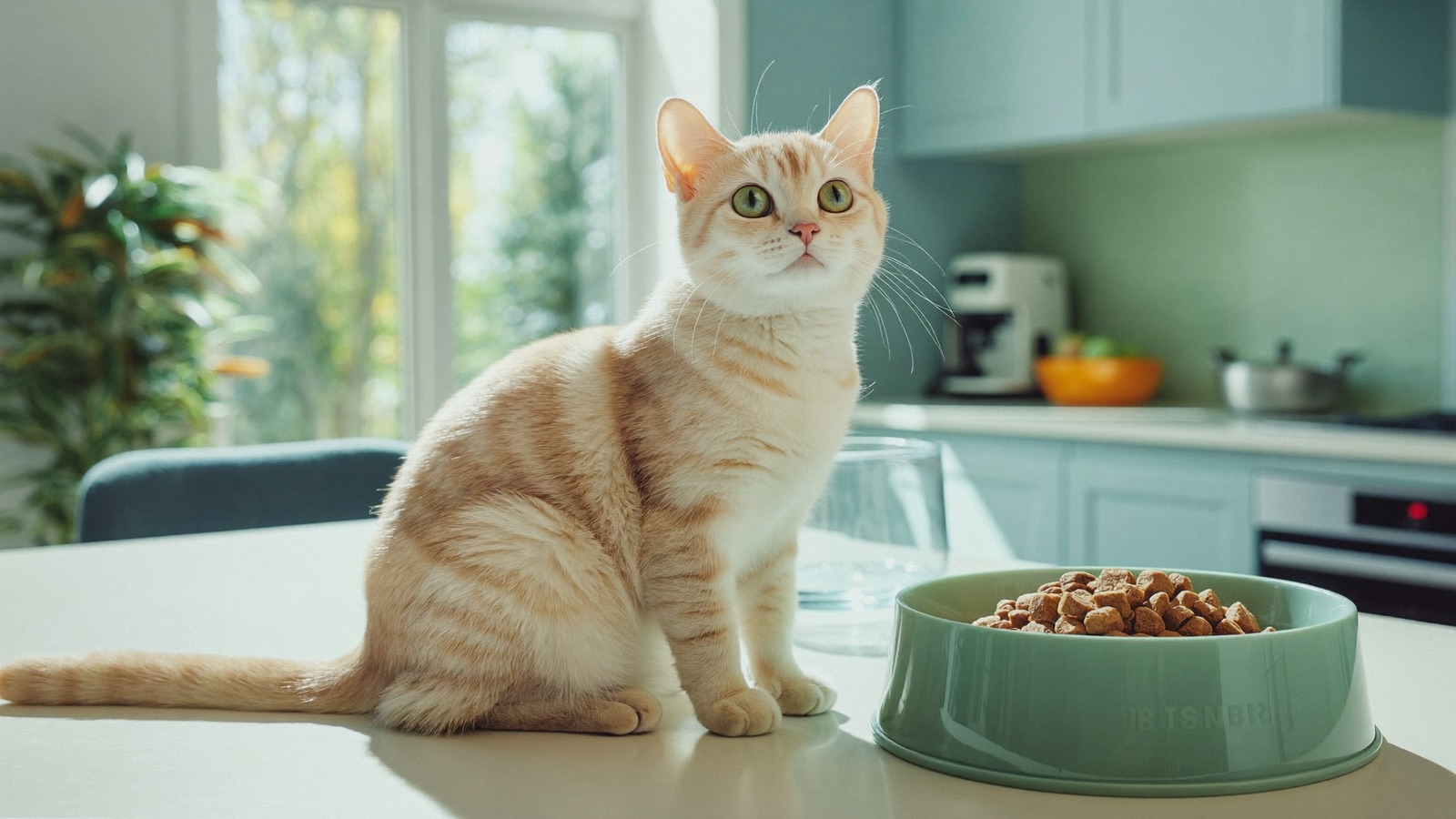
It feels reassuring when a cat still runs to the bowl. But weight loss despite a good appetite is one of the more telling patterns in feline medicine: if calories are going in and the cat is still shrinking, the body is either burning fuel too fast or failing to absorb it. That points to a medical cause, not the diet.
Why "eating normally" makes it easy to miss
Cats hide illness, and a healthy appetite masks the problem further — there's no obvious symptom to react to. On top of that, gradual weight loss is nearly invisible by eye, and a thick coat hides a lot. A cat can lose 10–15% of its body weight before an owner notices by sight alone. That's why the single most useful habit here is weighing your cat at home and watching the trend.
The top causes to consider
| Likely cause | Other signs to look for |
|---|---|
| Hyperthyroidism (overactive thyroid, common in cats 7+) | Increased appetite, weight loss, restlessness or hyperactivity, more thirst, vomiting, a poor or greasy coat, sometimes rapid heart rate. |
| Diabetes mellitus | Increased thirst and urination, larger litter clumps, big appetite, weight loss; later, weakness in the hind legs or a plantigrade (flat-hocked) stance. |
| IBD or intestinal malabsorption | Intermittent vomiting, soft stools or diarrhoea, gradual weight loss with a normal or ravenous appetite. |
| Intestinal parasites (worms) | Weight loss despite eating, a pot-bellied look (especially kittens), visible worms or segments near the tail, dull coat; common in outdoor cats and hunters. |
| Dental disease | Bad breath, drooling, dropping food, chewing on one side, pawing at the mouth — a cat may still eat but take in less than it seems. |
| Chronic kidney disease or other illness (cancer, hyperthyroid-linked) | Increased thirst and urination, subtle nausea, poor coat, gradual muscle and weight loss, lower energy. |
Note: these often overlap — an older cat can have both hyperthyroidism and kidney disease at once. Only a vet exam and bloodwork can sort them out, so treat the table as a guide to what to mention, not a diagnosis.
Why weighing at home is the early-warning tool
Every cause above shows up first as a number trending down — long before it's visible or before your cat acts unwell. Weighing at home every 2–4 weeks turns that invisible drift into something you can actually see:
- Hold your cat and step on a bathroom scale, then subtract your own weight. For kittens and small cats, a baby or kitchen scale is more accurate.
- Weigh at a consistent time (for example, before the morning meal) for comparable readings.
- Feel along the ribs and spine — you should feel them under a light layer, not see them sharply or have to press through fat.
- Record the numbers so a slow trend is unmistakable. A single reading tells you little; a line over months tells you everything.
What the vet will check
For a cat losing weight with a normal appetite, a typical work-up includes:
- Physical exam and weight, plus feeling the thyroid, abdomen and body condition.
- Bloodwork — including thyroid hormone (T4), kidney and liver values, and blood glucose.
- Urine test to assess the kidneys and check for glucose (diabetes).
- Faecal test for intestinal parasites.
- Depending on results, imaging such as abdominal ultrasound, or further GI testing for suspected IBD.
Bringing a home weight history helps enormously — it tells your vet how fast the loss is happening, which shapes how urgently to investigate.
See a vet promptly rather than waiting if weight loss comes with: marked increase in thirst or urination, repeated vomiting or diarrhoea, lethargy or hiding, weakness in the back legs, yellowing of the gums or eyes, or a rapid rather than gradual decline. Sudden severe weakness or collapse is an emergency.
See the weight trend, not just today's number
Tavi charts your cat's weight over time so a slow decline stands out months before it's visible — and gives you a clean history to hand your vet. Free for your first pet.
Frequently asked questions
Why is my cat losing weight but still eating normally?
Weight loss despite a normal or increased appetite usually means the body isn't using food properly — the calories are being burned too fast or not absorbed. The most common causes are hyperthyroidism, diabetes, intestinal disease (IBD or malabsorption) and parasites. It warrants a vet visit and bloodwork.
Is weight loss with a normal appetite serious in cats?
It's a meaningful red flag. A hungry cat that keeps losing weight is often a sign of an underlying medical problem rather than diet, and several of the causes are very treatable when caught early — so it's worth investigating rather than waiting.
How much weight loss in a cat is concerning?
Because cats are small, even modest loss matters — a drop of around 10% of body weight (roughly half a pound in a 10 lb cat) is significant. Any steady downward trend over weeks to months deserves a vet check, even if your cat looks and acts fine.
What tests will the vet run for a cat losing weight?
Typically a physical exam and weight check, then bloodwork (including thyroid T4, kidney and liver values, and blood glucose), a urine test, and often a faecal test for parasites. Depending on results, imaging such as ultrasound may follow.
Can worms cause a cat to lose weight while eating?
Yes. Intestinal parasites can cause weight loss despite a good or increased appetite, particularly in kittens, outdoor cats and hunters. A simple faecal test and deworming often resolve it, which is why parasites are worth ruling out early.
How can I tell if my cat is losing weight at home?
Weigh at home every 2–4 weeks — hold your cat on a scale and subtract your own weight, or use a baby scale — and feel along the ribs and spine. Because gradual loss is invisible by eye, a recorded weight trend is the most reliable way to catch it early.
Tavi's guides are informational and not a substitute for professional veterinary advice, diagnosis or treatment. Weight loss in cats can have serious causes — please consult your veterinarian. When in doubt, call.