Can Dogs Eat Turkey? Safe & Unsafe Parts
Start here
Yes, plain cooked turkey meat is fine in moderation. Skinless, boneless, unseasoned turkey is a lean, dog-friendly protein. The problems come from the skin, bones, seasonings, and processed turkey.
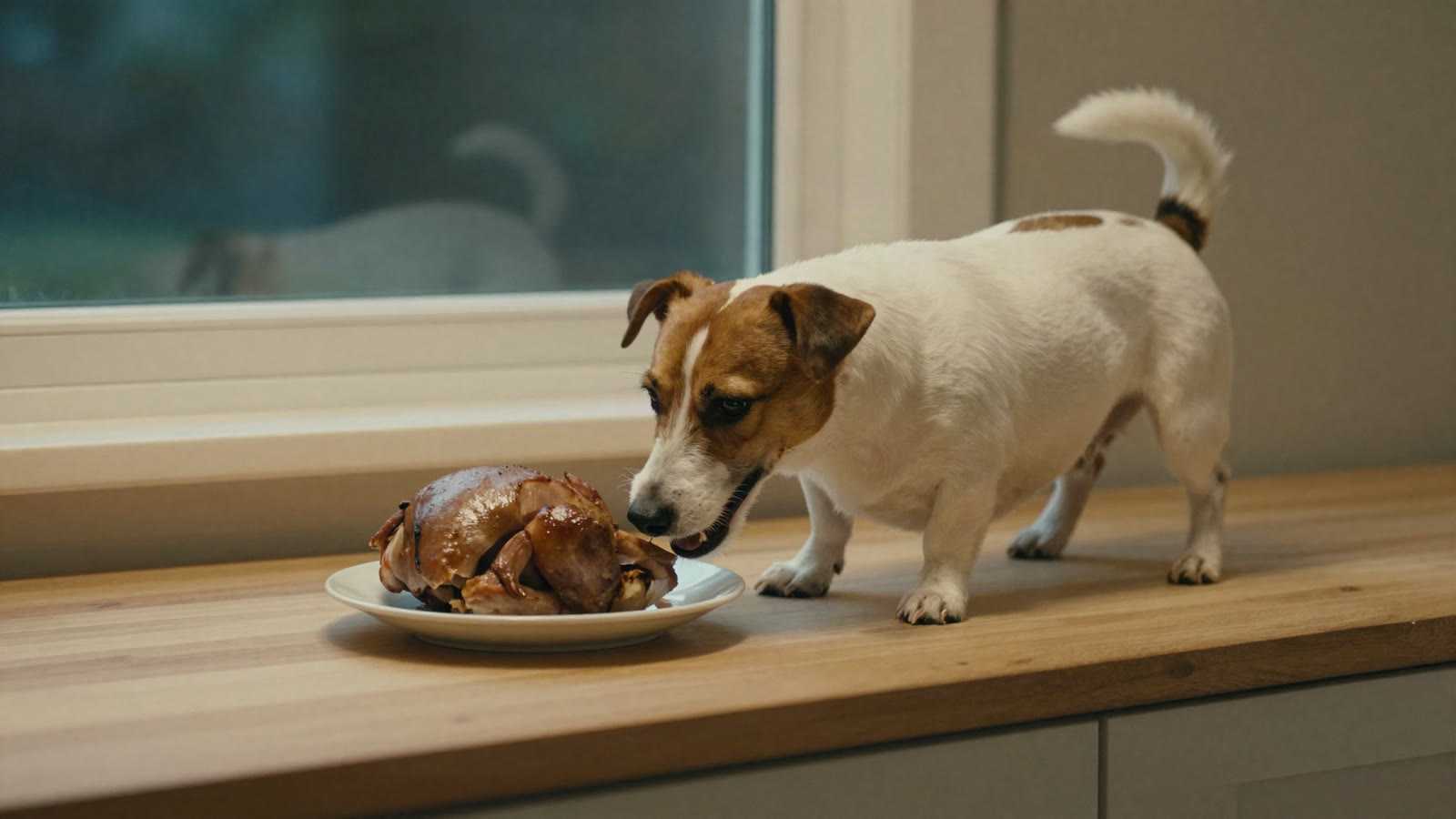
Is turkey safe for dogs?
Plain cooked turkey is a good source of lean protein and is actually an ingredient in many commercial dog foods. Served correctly, it's a healthy occasional treat or food topper.
The safe version is simple: boneless, skinless white or dark meat, thoroughly cooked, with no butter, oil, salt, garlic, onion, or other seasonings.
Which parts are unsafe?
- Bones: Cooked turkey bones splinter easily and can cause choking or puncture the digestive tract. Never give them.
- Skin: Fatty and often seasoned, it can cause stomach upset or pancreatitis.
- Seasonings: Garlic and onion (common in stuffing and rubs) are toxic to dogs; salt and butter add fat and sodium.
- Processed turkey: Deli meat, smoked turkey, and turkey sausage are high in salt and preservatives, best avoided.
How to serve turkey safely
Choose plain, cooked, boneless, skinless meat. Cut it into small pieces and offer it as a treat or mixed into your dog's regular food. Keep portions modest, no more than about 10% of daily calories, and make sure it's fully cooked to avoid bacteria.
This makes turkey a handy holiday-friendly treat, as long as it comes off the plate before the gravy, stuffing, and skin.
What if my dog ate turkey bones or seasoned turkey?
If your dog swallowed cooked turkey bones, watch for choking, gagging, vomiting, drooling, loss of appetite, or straining, and contact your vet, don't try to induce vomiting on your own. If your dog ate turkey with garlic or onion seasoning, or a large amount of fatty skin, call your vet or the ASPCA Animal Poison Control Center at 888-426-4435.
Plain turkey in excess may cause temporary loose stools. Logging what your dog ate in Tavi helps you and your vet spot whether an ingredient is causing repeated tummy trouble.
Frequently asked questions
Can dogs eat turkey bones?
No. Cooked turkey bones are brittle and can splinter, causing choking, mouth injuries, or a blocked or punctured digestive tract. If your dog swallows one, watch for gagging, vomiting, drooling, or straining and call your vet. Keep carcasses out of reach, including in the trash.
Is deli turkey okay for dogs?
It's best avoided. Deli and smoked turkey are high in sodium and often contain preservatives, garlic, or onion powder. A tiny plain piece won't likely harm a healthy dog, but it's not a good regular treat. Plain home-cooked turkey is a much better option.
Can dogs eat turkey skin?
It's best not to. Turkey skin is fatty and often seasoned, which can cause stomach upset or trigger pancreatitis, particularly in dogs prone to it. Stick to skinless, boneless meat and keep the skin off the treat plate.
How much turkey can a dog eat?
Keep it to small amounts as a treat or food topper, no more than about 10% of your dog's daily calories. Use plain, cooked, boneless, skinless meat. Too much, even plain, can cause loose stools, so introduce it gradually.
Tavi's guides are informational and not a substitute for professional veterinary advice, diagnosis or treatment. When in doubt, call your veterinarian.