How to Clean a Cat's Ears Safely
Start here
Most cats keep their own ears clean and rarely need help — clean only when you see visible wax or debris, using a cat-safe ear cleaner and a cotton ball, never a cotton swab. If the ear is red, smelly, full of dark coffee-ground debris, or your cat is scratching and shaking its head, see the vet first: that's likely mites or an infection, not something cleaning alone will fix.
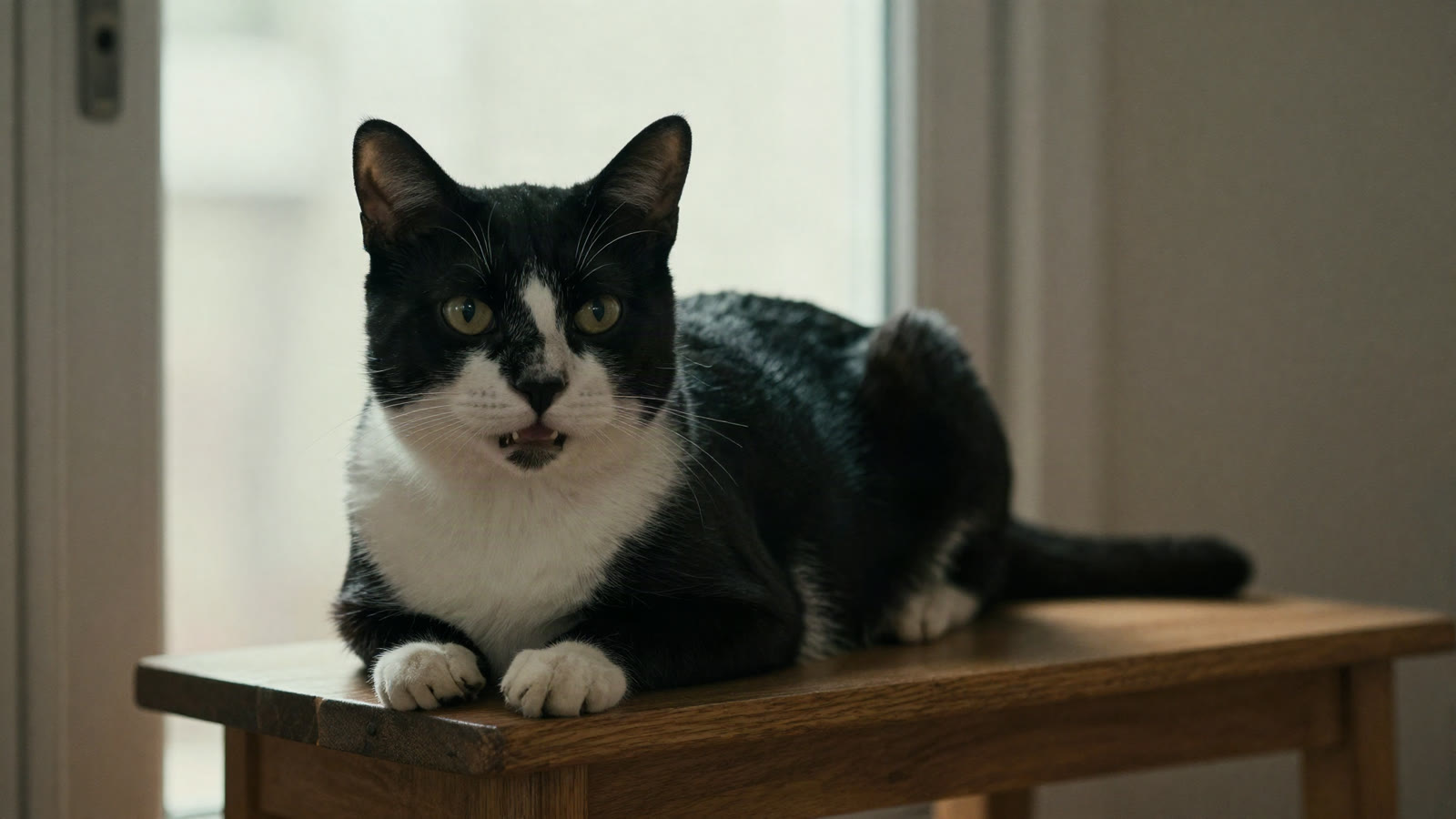
Do cats even need their ears cleaned?
Usually not. Healthy cats are meticulous groomers and manage their ears well on their own. Routine cleaning is unnecessary for most cats and can actually irritate the sensitive canal if overdone.
Some cats do need occasional help — hairless breeds like the Sphynx produce more visible ear wax, and cats with allergies, a history of infections, or flat faces can accumulate debris. Check your cat's ears every week or two: a healthy ear is pale pink and nearly clean, with only a little light-brown wax.
What solution should you use?
Use a cleaner made for cats, or one your veterinarian recommends. Avoid hydrogen peroxide, rubbing alcohol, and vinegar — they sting, can damage the canal, and leave irritating residue. Never use ear cleaners containing ingredients meant for a specific medical problem unless your vet directed it.
You'll also need cotton balls or gauze pads (not cotton swabs), a towel, and treats. Cats tolerate this much better when it's quick and calm.
How to clean a cat's ears step by step
- Wrap and settle your cat. A towel “burrito” can help keep an anxious cat calm and paws contained. Pick a quiet moment.
- Gently fold back the ear flap so you can see the opening of the canal.
- Apply the cleaner. Put a few drops of cat-safe solution into the ear canal (don't let the tip touch the ear).
- Massage the base of the ear gently for about 20 seconds to loosen wax — you'll hear a soft squish.
- Let your cat shake its head, then wipe away loosened debris from the visible area with a cotton ball.
- Reward generously and stop if your cat becomes distressed.
Only clean what you can see. Never push anything into the canal.
Signs it's mites or infection — not just wax
Ear mites are common in cats, especially kittens and outdoor cats, and they produce a distinctive dark, crumbly, coffee-ground-like discharge along with intense itching. Infections show up as redness, swelling, odor, or yellow/brown discharge.
If you see any of these — or head shaking, tilting, constant scratching, or pain — see your vet. Mites need a specific parasite treatment, and infections need medication. Cleaning over these problems won't resolve them and can add irritation.
Keeping your cat's ears healthy
Less is more. Don't clean healthy ears “just in case.” Do a gentle weekly visual check, keep an eye on any cat with allergies or past infections, and address recurring problems at the root with your vet rather than repeated cleanings.
Tavi tip: If your cat has had mites or ear infections before, log each episode and any treatment in Tavi. When something recurs, you'll have the dates and details ready for your vet — and you can scan the vet's discharge notes so nothing gets lost.
Frequently asked questions
How often should I clean my cat's ears?
For most cats, only as needed — which may be rarely or never. Cats self-groom effectively. Do a quick visual check every week or two, and clean only if you see noticeable wax or debris. Hairless breeds and cats with allergies may need more regular attention.
What does a cat ear infection look like?
Look for redness, swelling, a bad or yeasty smell, yellow or brown discharge, and signs of discomfort like head shaking, tilting, or scratching. Dark, crumbly, coffee-ground debris usually signals ear mites. Any of these warrant a vet visit rather than home cleaning.
Can I use dog ear cleaner on my cat?
Not without checking. Some ingredients safe for dogs can be irritating or toxic to cats, whose systems are more sensitive. Use a product labeled safe for cats, or ask your veterinarian to recommend one. When in doubt, don't improvise with human or dog products.
My cat won't let me clean its ears — what now?
Don't force it. Try a towel wrap, go quickly, and reward heavily. If your cat is fighting because the ear hurts, stop — pain means see the vet. For routine debris that's hard to reach, your vet or a groomer can do it safely.
Tavi's guides are informational and not a substitute for professional veterinary advice, diagnosis or treatment. When in doubt, call your veterinarian.