Foods Dogs Can't Eat: The Toxic Food List
Start here
The foods most likely to harm dogs are chocolate, grapes and raisins, xylitol, onions and garlic, macadamia nuts, alcohol, caffeine, and cooked bones. Some cause kidney failure, blood-cell damage or dangerous drops in blood sugar. If your dog eats any, call your vet or ASPCA poison control right away — don't wait for symptoms.
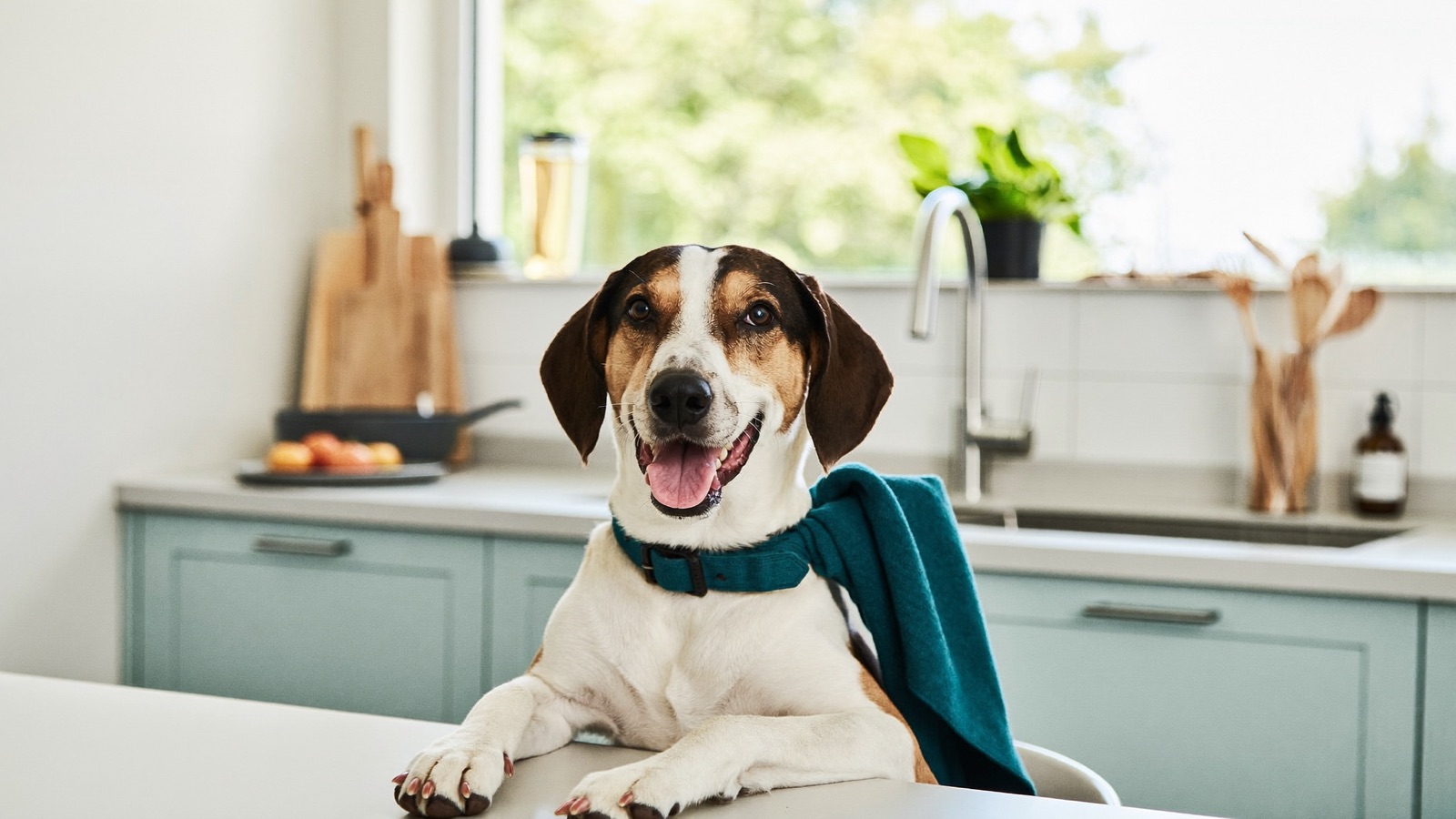
Plenty of everyday human foods are perfectly fine to share, but a handful are genuinely dangerous — and a few can be life-threatening even in small amounts. Here are the ones worth memorizing, why each is a problem, and safer swaps.
The key toxic foods — and why
Chocolate
Chocolate contains theobromine and caffeine, which dogs clear very slowly. It can cause vomiting, a racing heart, tremors and seizures. Darker and baking chocolate are the most dangerous. See our full guide on whether dogs can eat chocolate and what to do if your dog got into some.
Grapes & raisins
Grapes, raisins, currants and sultanas can cause sudden kidney failure. Tartaric acid is the suspected toxin, and sensitivity varies enormously — some dogs react to tiny amounts — so there is no known safe dose. Treat any ingestion as urgent.
Xylitol (birch sugar)
This sugar substitute hides in sugar-free gum, mints, candy, some peanut butters, baked goods, chewable vitamins and even some medicines. In dogs it triggers a rapid insulin release that can cause a dangerous crash in blood sugar within minutes, and at higher doses liver failure. Always check labels before sharing anything sweet.
Onions, garlic, chives & leeks
These Allium vegetables damage red blood cells and can cause anemia. They are toxic raw, cooked, dried or powdered — and concentrated forms like garlic powder or onion soup mix are especially potent. Watch out for seasoned leftovers, baby food and gravies.
Macadamia nuts
Macadamias can cause weakness (especially in the back legs), tremors, vomiting, wobbliness and raised body temperature. Signs usually appear within 12 hours and often pass in a day or two, but it's still a reason to call your vet.
Alcohol
Alcohol — in drinks, some desserts, and raw bread dough — can cause vomiting, poor coordination, dangerously low body temperature and blood sugar, breathing trouble and, in severe cases, coma. Dogs are far more sensitive than people.
Caffeine
Coffee, tea, energy drinks and their grounds or bags contain stimulants similar to those in chocolate and can cause a racing heart, restlessness, tremors and seizures. Keep them well out of reach.
Cooked bones
Cooked bones turn brittle and can splinter, causing choking, mouth injuries, or life-threatening blockages and tears in the gut. Skip them entirely and ask your vet about safer chews.
Safe vs. toxic: a quick reference
| Toxic — avoid | Why it's dangerous | A safer swap |
|---|---|---|
| Chocolate, cocoa | Theobromine & caffeine — heart and nervous-system effects, seizures | Small piece of plain apple (no seeds/core) or a dog treat |
| Grapes, raisins, currants | Risk of sudden kidney failure | Blueberries or watermelon (seedless, no rind) |
| Xylitol / birch sugar | Blood-sugar crash and possible liver failure | Xylitol-free peanut butter (check the label) |
| Onion, garlic, chives, leeks | Red-blood-cell damage and anemia | Plain cooked carrot or green beans |
| Macadamia nuts | Weakness, tremors, hyperthermia | A few plain, unsalted peanuts (in moderation) |
| Alcohol & raw dough | CNS depression, low blood sugar, coma | Fresh water; a plain baked dog biscuit |
| Caffeine (coffee/tea) | Stimulant toxicity — like chocolate | Plain water |
| Cooked bones | Splintering — choking, blockages, tears | A vet-recommended chew for your dog's size |
What to do if your dog eats a toxic food
- Take away any remaining food and keep the packaging.
- Note what was eaten, roughly how much, and when.
- Call for advice now — your vet or the ASPCA Animal Poison Control Center at (888) 426-4435 (a fee may apply). Don't wait for symptoms.
- Don't induce vomiting unless a veterinary professional tells you to and explains how.
- Head to an emergency clinic if your dog is already unwell — vomiting repeatedly, wobbly, tremoring, collapsing or seizing.
Keep poison control at your fingertips
Store your vet's number, the ASPCA poison-control line, and your dog's weight and details in Tavi — so if the worst happens, you have the facts ready in seconds. Free for your first pet.
Frequently asked questions
What foods are toxic to dogs?
The most important toxic foods to keep away from dogs are chocolate, grapes and raisins, xylitol (a sugar substitute), onions, garlic, chives and leeks, macadamia nuts, alcohol, caffeine, and cooked bones. Many also react to very fatty foods, moldy food, and unripe or green parts of some fruits and vegetables.
Why are grapes and raisins toxic to dogs?
Grapes and raisins can cause sudden kidney failure in dogs, and tartaric acid is the suspected toxin. Sensitivity varies a lot between dogs, and even small amounts have caused harm in some, so there is no known safe amount. If your dog eats any, call your vet or poison control right away.
What happens if a dog eats xylitol?
Xylitol, a sweetener in sugar-free gum, candy, some peanut butters, baked goods and even some medicines, triggers a rapid release of insulin in dogs. This can cause a dangerous drop in blood sugar within minutes and, at higher doses, liver failure. It is a medical emergency — call your vet or poison control immediately.
Can dogs eat a little onion or garlic?
It is best to avoid all onion, garlic, chives and leeks. They damage red blood cells and can cause anemia, and they are toxic raw, cooked, dried or powdered. Powders and concentrated forms (like garlic powder or onion soup mix) are especially potent, so keep seasoned human foods away from your dog.
My dog ate something toxic — what should I do?
Note what was eaten, roughly how much, and when, and keep any packaging. Then call your veterinarian or the ASPCA Animal Poison Control Center at (888) 426-4435 (a fee may apply) right away — do not wait for symptoms. Do not try to make your dog vomit unless a professional tells you to.
Are cooked bones safe for dogs?
Cooked bones are not safe. They become brittle and can splinter, causing choking, mouth injuries, or dangerous blockages and tears in the digestive tract. Avoid giving cooked bones of any kind, and ask your vet about safer chews suited to your dog's size and chewing style.
Tavi's guides are informational and not a substitute for professional veterinary advice, diagnosis or treatment. This list is not exhaustive — if your dog eats anything you're unsure about, or you suspect poisoning, contact your veterinarian or the ASPCA Animal Poison Control Center at (888) 426-4435 (a fee may apply) right away; when in doubt, call. Sources include the ASPCA, the Merck Veterinary Manual, PetMD, the American Kennel Club (AKC), and VCA Animal Hospitals.