Cost of a Cat vs Dog: Which Is Cheaper?
Start here
In general, cats cost less than dogs — they're smaller, eat less, need fewer supplies, and don't require training, grooming or boarding as often. Dogs, especially large breeds, run up bigger bills for food, vet care and services. But the ranges overlap: a large or medical-needs cat can outspend a small, healthy dog. Both are multi-year, thousands-of-dollars commitments.
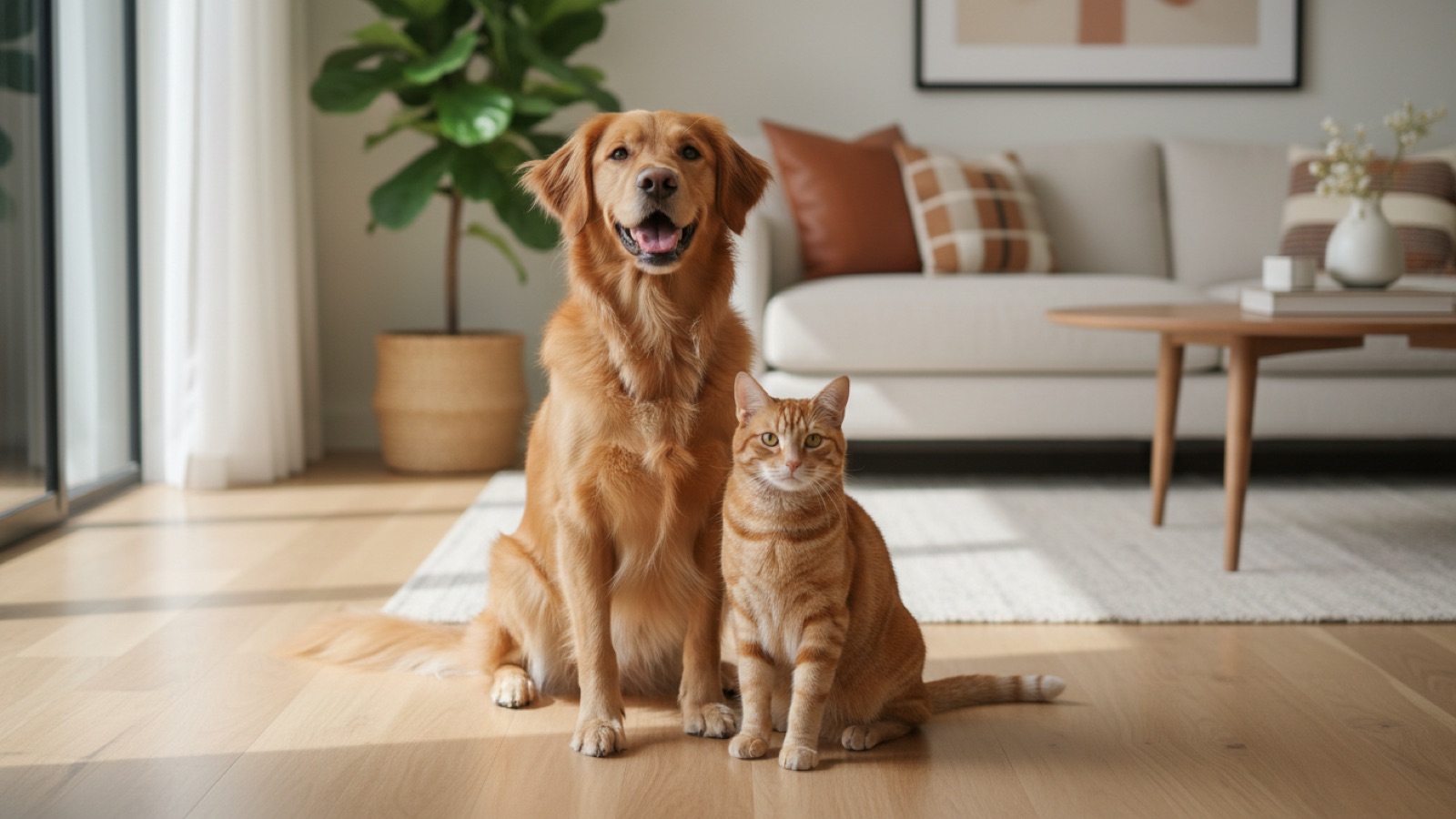
The short answer
Averaged out, dogs tend to be the more expensive pet, mostly because of size. A bigger animal means more food, larger doses of medication and preventives, and higher costs for boarding, grooming and training. Cats are smaller, largely self-groom, and don't need walking or daycare — so their baseline costs are usually lower.
That said, the gap depends heavily on the individual pet. A giant-breed dog and a cat with a chronic illness are worlds apart in cost, and a small indoor dog may cost about the same as a cat. Use the ranges below as a starting point, not a promise.
First-year costs
The first year is usually the most expensive, because of one-time setup and initial medical care. Broad U.S. ballparks:
| First-year item | Cat | Dog |
|---|---|---|
| Adoption / purchase | $0–$200+ | $50–$500+ |
| Spay/neuter, vaccines, initial vet | $200–$600 | $300–$800 |
| Supplies (bed, carrier, litter box, leash, etc.) | $150–$400 | $200–$600 |
| Microchip & preventives | $50–$250 | $100–$350 |
Purebred animals from breeders can cost far more up front than these figures. See spay and neuter cost for that piece specifically.
Ongoing yearly costs
After year one, the recurring costs settle into food, routine vet care, preventives and supplies. Rough annual ballparks:
| Recurring item | Cat | Dog |
|---|---|---|
| Food & treats | $150–$500 | $250–$1,000+ |
| Routine vet & preventives | $150–$500 | $200–$700 |
| Litter (cats) / grooming (dogs) | $150–$350 | $100–$700 |
| Boarding, daycare, training | $0–$200 | $100–$1,000+ |
Large dogs and dogs that need professional grooming, training or frequent boarding push toward the top of these ranges. None of this counts emergencies — see emergency vet costs.
Where the biggest differences show up
The categories that most separate cats and dogs:
- Food: a large dog can eat many times what a cat does.
- Services: walking, daycare, boarding and training are largely dog costs.
- Grooming: most cats self-groom; many dog breeds need regular professional grooming.
- Medication doses: flea/tick, heartworm and other meds are priced by weight.
- Lifespan: cats often live longer, which spreads costs over more years.
Budgeting for either one
Don't budget only for the routine. The costs that catch owners off guard are unexpected — a swallowed toy, a chronic diagnosis, an emergency surgery. Both cats and dogs can face bills in the thousands, so plan for the surprises, not just the kibble.
Whichever you choose, a small monthly emergency fund and/or pet insurance smooths out the big shocks. Our how to budget for pet care guide breaks down how to set that up. Tracking your actual spending for a few months quickly shows where your pet's money really goes.
See where your pet's money actually goes
Tavi keeps your pet's vet visits, medications and health records in one place, so you can anticipate recurring costs and spot changes early — before a small issue becomes an expensive one. Free for your first pet.
Frequently asked questions
Is a cat cheaper than a dog?
Usually, yes. Cats are smaller, eat less, largely self-groom, and don't need walking, daycare or as much boarding and training, so their baseline costs tend to be lower. But a large or chronically ill cat can cost more than a small, healthy dog, so the ranges overlap.
What is the most expensive part of owning a pet?
Over a lifetime, food and veterinary care are the biggest recurring costs, but unexpected medical bills, such as emergency surgery or a chronic illness, are what most often strain budgets. For dogs, services like boarding, grooming and training also add up significantly.
How much does a dog cost per year?
It varies widely by size and lifestyle, but recurring annual costs for food, routine vet care, preventives, grooming and services commonly run from several hundred to well over a thousand dollars. Large dogs and those needing frequent grooming or boarding sit at the higher end.
Why do large dogs cost more than small pets?
Size drives cost. Bigger dogs eat more food, need larger and pricier doses of medications and preventives, which are dosed by weight, and often cost more for boarding, grooming and even some surgeries. A large dog's routine and emergency care can be markedly more expensive.
Do cats or dogs have higher vet bills?
It depends on the individual animal, but dogs' routine vet costs are often higher because size raises the price of medications, preventives and procedures. Both species can face major emergency or chronic-illness bills, so vet costs vary more by health and size than by species alone.
Tavi's guides are informational and not a substitute for professional veterinary advice, diagnosis or treatment. When in doubt, call your veterinarian.
Sources
- American Veterinary Medical Association (AVMA)
- ASPCA
- American Pet Products Association (APPA)
- American Animal Hospital Association (AAHA)