Cat Hair Loss: Causes and Treatment
Start here
Hair loss in cats (alopecia) usually has a treatable cause — most commonly fleas, allergies, or overgrooming driven by itch or stress. Other causes include ringworm, parasites, and hormonal conditions like hyperthyroidism. Because so many causes look alike, a vet exam and a few simple tests are the fastest route to the right fix.
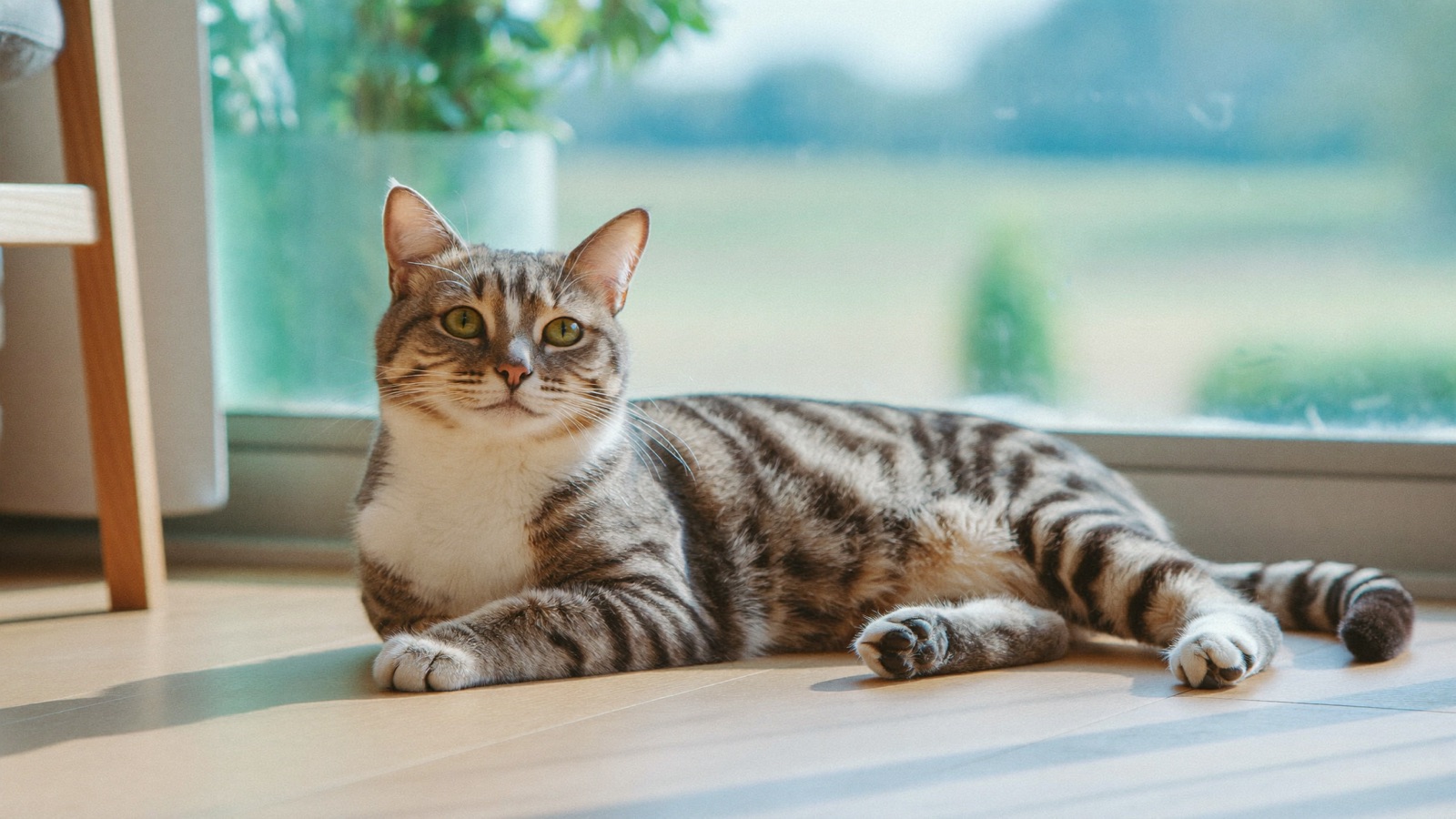
Is it shedding or a problem?
All cats shed, and seasonal shedding or a bit more fur during grooming season is normal. Hair loss is different: you'll see thinning patches, bald spots, broken stubby hairs, or skin that shows through. Red flags that point to a medical cause include itching, redness, scabs, over-the-top licking, or bald areas in a specific pattern (like the belly or inner legs).
If the coat is simply fuller in the bin during a shed but the skin looks healthy and complete, that's usually normal turnover. Patchy loss with skin changes is not.
The most common causes
A handful of causes account for most feline hair loss:
- Fleas and flea-allergy dermatitis: the number-one cause. Even a few bites can trigger intense itching and hair loss, classically along the lower back, tail base, and belly.
- Allergies: to fleas, food, or something in the environment (pollen, dust mites). Allergic cats often overgroom and develop symmetrical bald patches.
- Overgrooming (psychogenic alopecia): stress or anxiety can drive compulsive licking that removes fur, often on the belly and legs, usually with normal-looking skin underneath.
- Ringworm: a fungal infection (not a worm) causing circular patches of hair loss, often with scaly skin — and it's contagious to people and other pets.
- Mites and other parasites: including ear mites and mange, which cause itching and hair loss.
See our guide on itching and scratching in cats for the allergy angle in more depth.
Medical causes beyond the skin
Some hair loss reflects a body-wide condition:
- Hyperthyroidism: an overactive thyroid in older cats can cause a poor, unkempt, thinning coat, along with weight loss despite a big appetite.
- Other hormonal and metabolic issues: such as diabetes, which can affect coat quality.
- Pain: cats sometimes overgroom directly over a painful joint or a sore bladder, creating a bald patch that points to arthritis or urinary disease.
- Skin infections and reactions: bacterial or yeast infections secondary to the causes above.
Our hyperthyroidism guide covers the thyroid link, and a bald patch over the bladder can relate to urinary problems.
How the vet finds the cause
Because many causes overlap, your vet works through them systematically:
| Test | What it checks |
|---|---|
| Flea comb & skin exam | Fleas, flea dirt, pattern of hair loss |
| Skin scrape & tape prep | Mites, bacteria, yeast |
| Fungal culture or PCR / UV light | Ringworm |
| Food or environmental allergy trial | Allergic skin disease |
| Bloodwork (incl. thyroid) | Hyperthyroidism, diabetes, organ disease |
Strict, year-round flea control is often the first step, because flea allergy is so common and easy to underestimate — even in indoor cats.
Treatment and home care
Treatment follows the diagnosis: consistent flea prevention, an allergy management plan or diet trial, antifungals for ringworm, parasite treatment for mites, or medication for a thyroid or other systemic condition. For stress-driven overgrooming, the focus is on reducing anxiety with environmental enrichment, routine, and sometimes vet-guided behavioral support.
Practical take: Never assume a bald patch is "just stress" — that's a diagnosis your vet reaches after ruling out fleas, allergies, ringworm, parasites, and pain. Skipping that step often means the real, treatable cause is missed.
Why tracking the coat helps
Hair loss develops gradually and often flares seasonally, so it's hard to judge from memory whether it's spreading or improving. Photographing bald patches, noting where they are and when they appear, and logging itching, appetite, weight, and any stressors gives your vet a real timeline — which speeds up the diagnosis and shows whether treatment is working.
See whether that bald patch is spreading or healing
Tavi lets you log hair loss, itching, appetite and weight in one place and track them over time — so you and your vet can tell at a glance whether the coat is improving or the problem is growing. Free for your first pet.
Frequently asked questions
Why is my cat losing hair in patches?
Patchy hair loss is most often caused by fleas and flea allergy, other allergies, ringworm, mites, or overgrooming. Because these look similar, a vet exam with a flea comb, skin tests, and sometimes a fungal culture is the fastest way to find the cause and treat it correctly.
Can stress cause hair loss in cats?
Yes. Stress and anxiety can drive compulsive overgrooming that removes fur, often on the belly and inner legs with normal-looking skin underneath. But stress-related hair loss is diagnosed only after your vet rules out fleas, allergies, ringworm, parasites, and pain.
Is cat hair loss a sign of illness?
It can be. Beyond skin and parasite problems, hair loss and a poor coat can signal hyperthyroidism (common in older cats), diabetes, or overgrooming over a painful area. If hair loss comes with weight change, increased thirst, or appetite changes, see your vet for bloodwork.
Is my cat's hair loss contagious to me?
It can be if the cause is ringworm, a fungal infection that spreads to people and other pets and often shows as circular, scaly bald patches. Wash your hands after handling your cat, and ask your vet to test for ringworm so you can take the right precautions.
When should I see a vet about my cat's hair loss?
See your vet if the hair loss is patchy or spreading, comes with itching, redness, scabs, or overgrooming, or is paired with weight loss, increased thirst, or appetite changes. Normal seasonal shedding with healthy skin isn't a concern, but true bald spots are.
Tavi's guides are informational and not a substitute for professional veterinary advice, diagnosis or treatment. When in doubt, call your veterinarian.